
Some people like to joke that unwanted hair behaves a bit like an overly friendly guest—it arrives without warning, settles in too comfortably, and returns again and again even when you try to nudge it away. Luckily, today’s hair removal tools have become far more advanced, so beauty businesses can finally guide that “guest” out the door in a polite but effective way. Laser, IPL, and RF systems each bring their own strengths, comfort styles, and usage cases. And because of that, modern beauty centers can now offer clients more tailored choices than at any time before.
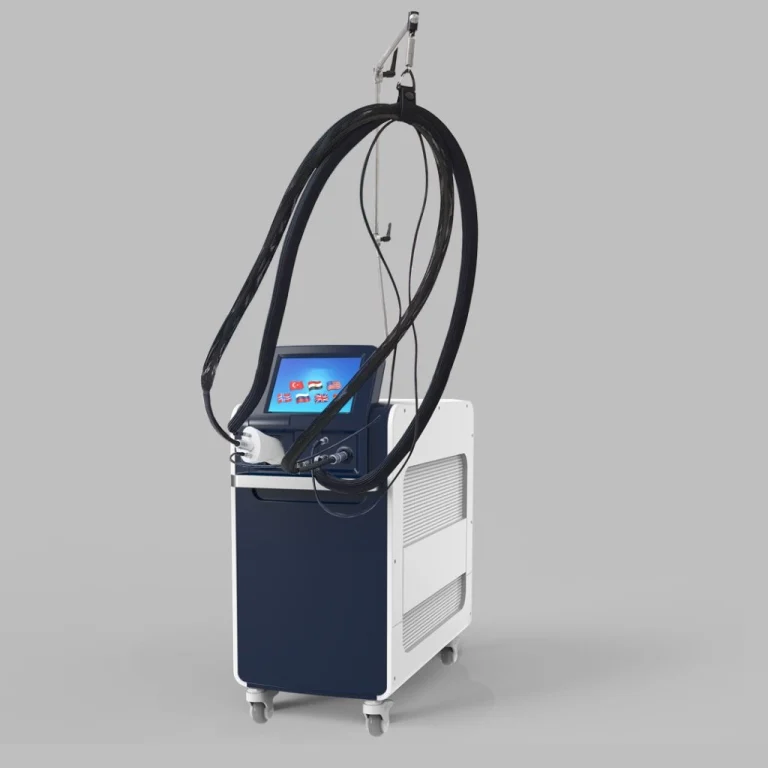
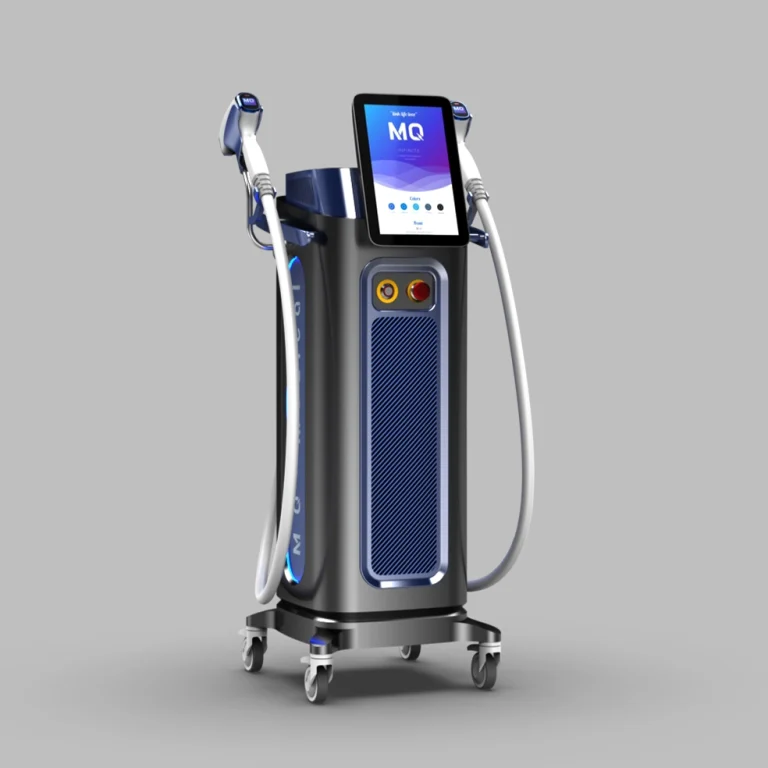
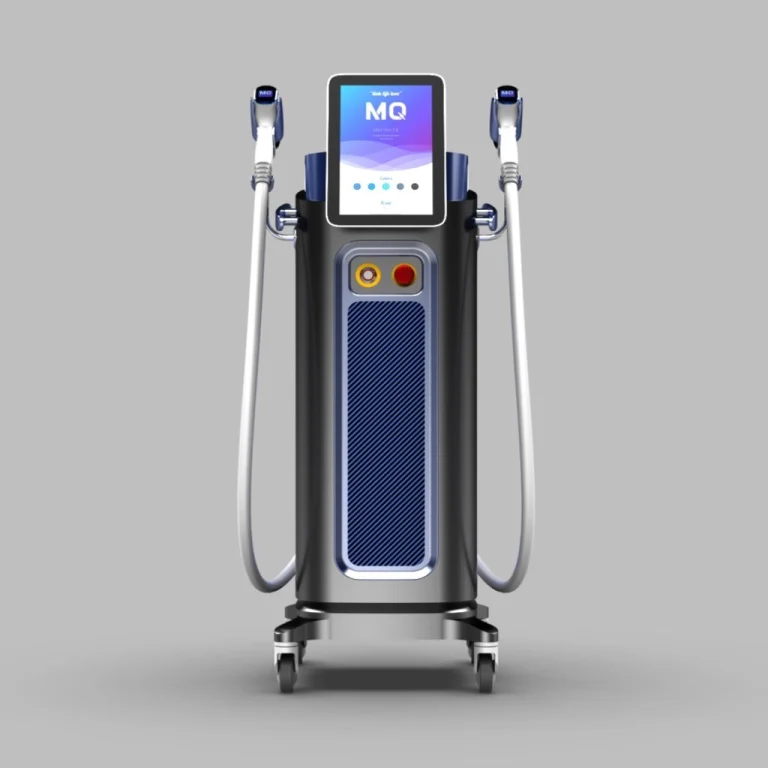
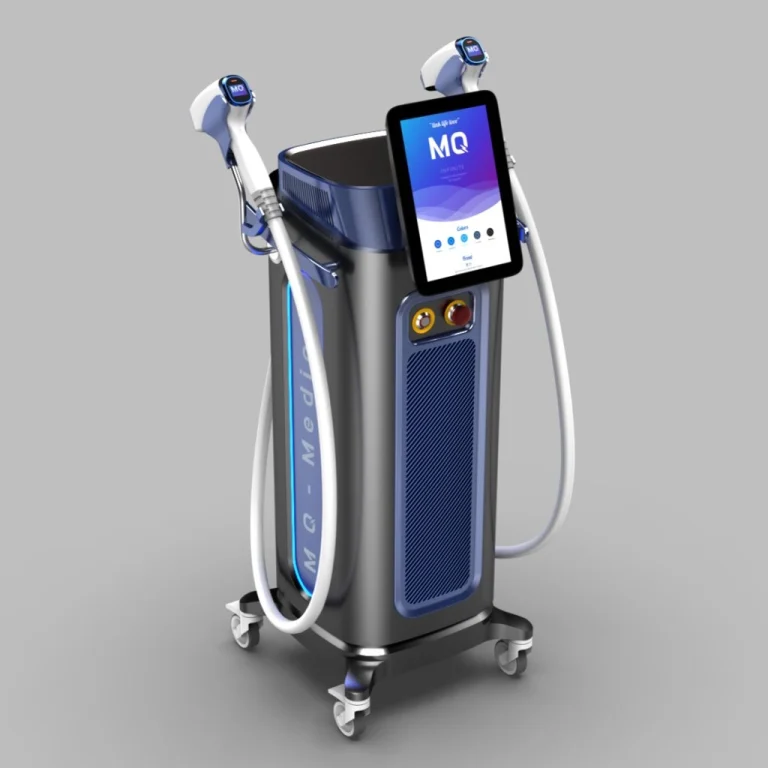
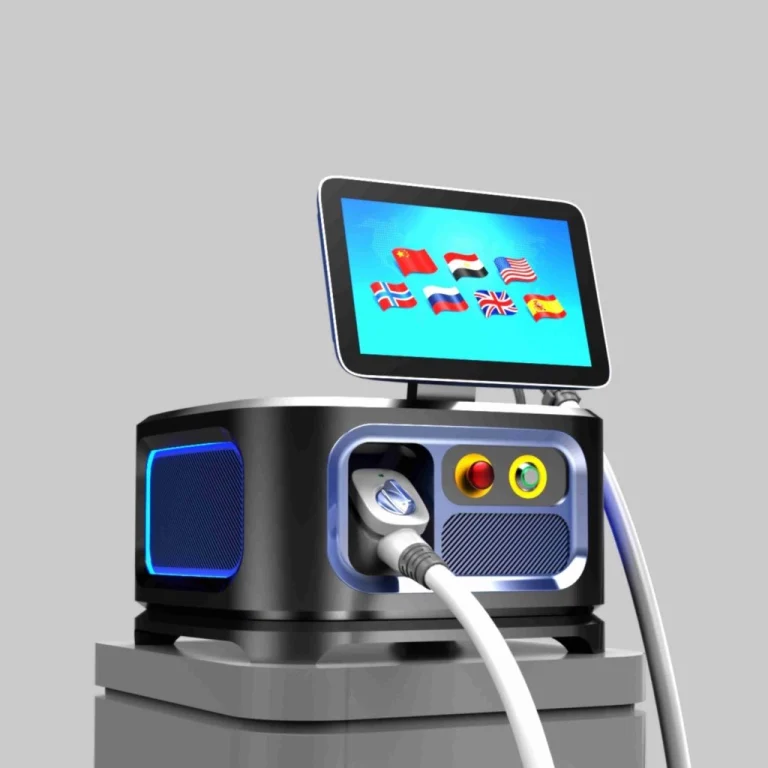
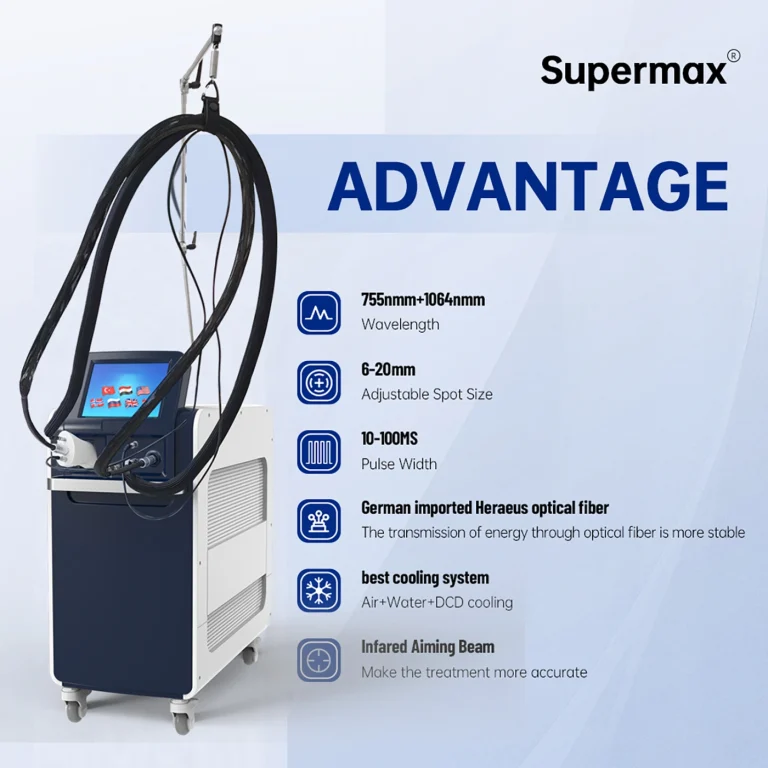
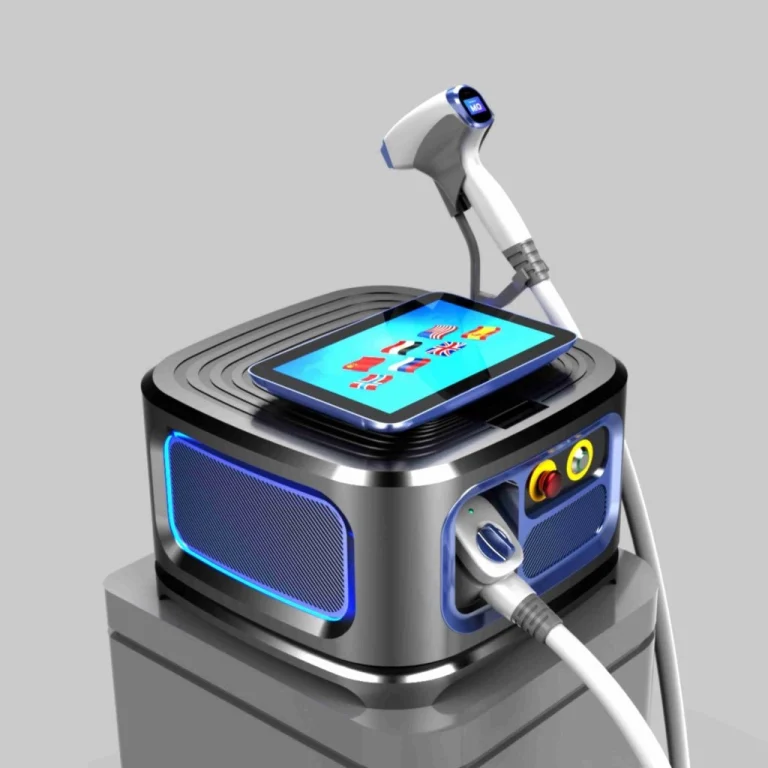
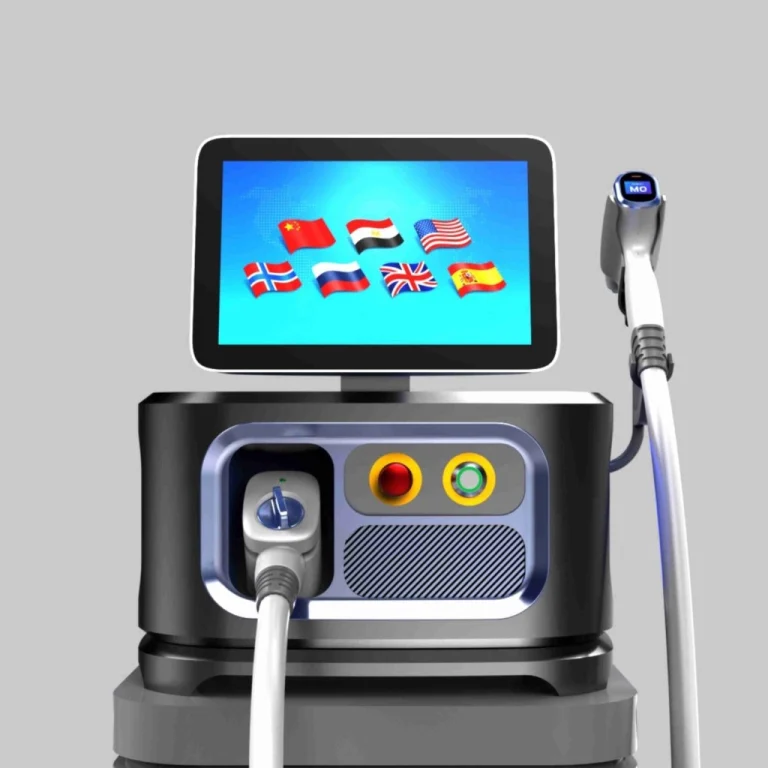
In a market where people look for faster results, smoother experiences, and flexible options, the devices chosen by a beauty center matter just as much as the techniques used. So this article explores the contrasts between these popular technologies and also takes a closer look at the Alexandrite Laser Hair Removal Machine 755nm & 1064nm Dual Wavelength from MQLASER, a system designed to help businesses deliver consistent and dependable outcomes.
How These Hair Removal Technologies Work in Real Practice
Before comparing them in detail, it helps to take a small step back and see how Laser, IPL, and RF behave during real operations. These systems all rely on energy, but they release it in different ways and therefore support different treatment needs.
Laser systems, for instance, use one fixed wavelength to direct energy with high focus. This characteristic makes them suitable for clients who want steady results and strong reliability. They offer precise output, and this precision becomes especially useful when a business wants predictable performance.
IPL, or Intense Pulsed Light, uses a broad flash that spreads across a larger area. It works well for basic or entry-level programs where speed and surface coverage are important. And because its energy is more dispersed, the sensation is often perceived as softer.
RF, or Radio Frequency, works through controlled heating beneath the outer layer of skin. It is not strictly a hair removal method, but it appears regularly in multi-function platforms. RF supports overall appearance and firmness, so it often complements Laser or IPL rather than replacing them.
To sum it up simply: Laser focuses, IPL covers, and RF supports.
Laser vs. IPL vs. RF — What Sets Them Apart?
1. Precision and Efficiency
Laser systems produce a concentrated beam, delivering energy exactly where it is needed. They are usually chosen by clients who want steady results with fewer visits. IPL, on the other hand, covers more surface in each flash, making it ideal for large areas even though it may call for more sessions. RF sits in a different category and often appears as an additional feature to enhance overall results.
This difference in precision and energy distribution helps beauty centers decide which technology best fits their service menus.
2. Comfort and Cooling Technology
Modern beauty equipment pays close attention to comfort. This is especially true when clients return for long or repeated sessions.
Laser devices—particularly those built at a higher grade—often include smart cooling modules. These help regulate the handpiece temperature and keep the outer skin surface at a steady level. Meanwhile, MQLASER incorporates accurate temperature-monitoring components which help stabilize the cooling plate. They work together to maintain a predictable and more pleasant experience.
3. Treatment Frequency
Because Laser delivers energy more directly, it usually requires fewer sessions. IPL tends to need more visits because its energy is more spread out. RF behaves differently because it isn’t built around light; its frequency depends on how a center uses it within multi-feature platforms.
By knowing how these technologies differ, beauty businesses can build flexible service menus and recommend the best option to each client.
Why Laser Often Stands Out — And Where the Alexandrite Dual-Wavelength Machine Fits

Many professional beauty centers see Laser as their primary option, mostly because it adapts well to different needs. That’s also why the Alexandrite Laser Hair Removal Machine with 755nm and 1064nm Dual Wavelength from MQLASER has drawn so much interest.
Dual-Wavelength Flexibility
This machine includes the two widely recognized wavelengths—755nm and 1064nm—that appear in top-tier systems around the world.
755nm supports detailed work in areas with finer hair or more delicate needs.
1064nm reaches deeper layers and shows strong performance for thicker hair or broader usage scenarios.
Because of this combination, beauty centers can work confidently across seasons, hair types, and diverse customer groups.
Stable Design and Ease of Operation
The machine features a clear operation panel, steady energy release, and dependable cooling. These qualities help it perform consistently throughout the day, which reduces the stress of maintaining complicated equipment. And as a result, daily workflow becomes easier for operators, which is especially helpful in busy beauty studios.
Why MQLASER Is Trusted in the Beauty Equipment Industry
Picking the right technology is only one part of a larger picture. Choosing a supplier that stands behind its products is just as important.
MQLASER has built a strong reputation by combining technical skill with continuous innovation. The company doesn’t simply put machines together; instead, it invests heavily in research and product improvement. Each year, a meaningful portion of its revenue—roughly fifteen percent—is directed toward developing new systems and refining existing ones. This long-term investment helps the company stay ahead in product efficiency and upgrade cycles.
Besides that, MQLASER offers full OEM and ODM support. Clients can request custom interface styles, exterior designs, parameter adjustments, and private-label branding. This flexibility helps beauty centers stand out in competitive markets.
On top of that, MQLASER products hold international certifications, including CE, ISO, and RoHS. These achievements show that the machines align with widely recognized performance and safety standards. The company also helps buyers prepare documents for local registrations when needed, which simplifies the entire process for new business owners.
Together, these factors make MQLASER a reliable and long-term partner for businesses building or expanding their hair removal services.
A Quick Comparison Table
Below is a simple chart that helps readers quickly review the differences among Laser, IPL, and RF:
| Technology | Energy Type | Best For | Precision | Coverage Area | Suitable for Business Type |
|---|---|---|---|---|---|
| Laser | Single or dual wavelength | Fast efficiency, wide hair types | ★★★★★ | Medium | Professional beauty centers |
| IPL | Broad-spectrum flash | Basic hair removal, routine services | ★★★ | Large | Entry-level salons & spas |
| RF | Radio frequency heat | Overall firmness, supportive treatments | ★★ | Medium | Multi-function treatment rooms |
Conclusion
Today’s hair removal systems give clients more freedom and more choices. Laser, IPL, and RF each offer unique advantages that fit different business models and customer needs. For beauty centers searching for steady performance and long-term reliability, professional-grade laser systems—especially dual-wavelength Alexandrite platforms—deliver the broad flexibility and stability that modern clients expect.
Backed by strong research investment, recognized certifications, and full OEM/ODM services, MQLASER continues to provide equipment designed for real-world demands. Selecting the right technology and partnering with a trusted manufacturer helps beauty centers deliver smooth and comfortable experiences for clients who want efficient and reliable hair removal results.
FAQ
Q:Can the Alexandrite Laser Hair Removal Machine be customized for branding?
A:Yes. MQLASER supports customization for interface styles, machine appearance, operating parameters, logo printing, and marketing materials.
Q:Does the machine require heavy maintenance?
A:Routine care is simple. The system is designed for stable daily operation, and MQLASER also offers helpful after-sales support to guide operators in long-term performance.
Q:Are MQLASER devices suitable for international markets?
A:Yes. The company holds important certifications such as CE, ISO, and RoHS, and it can also help clients prepare documentation for additional regional requirements.