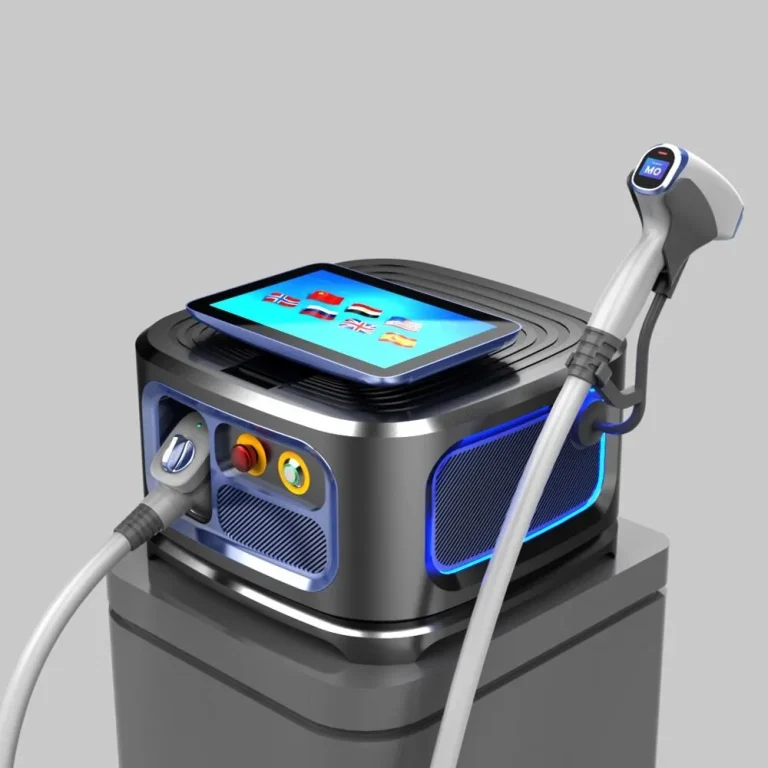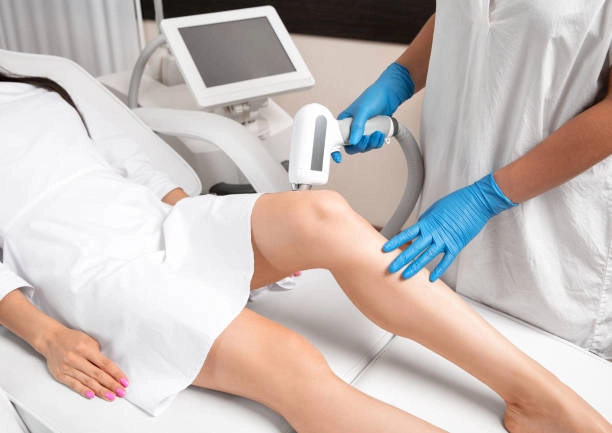
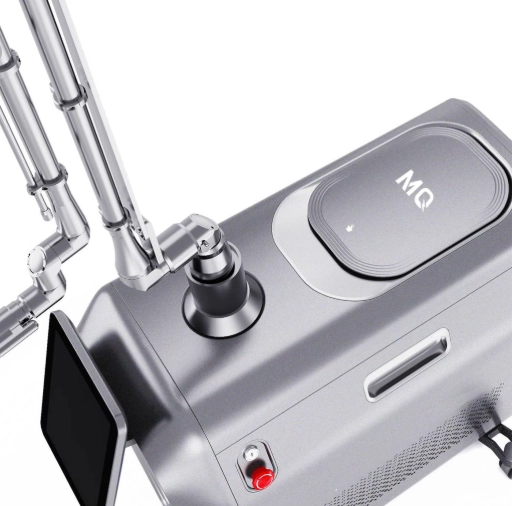
Buying a picosecond laser feels a lot like picking between a sleek sports car and a sturdy off-road truck. The first one shines with power and starts right away. The second lets you tweak the motor, adjust the shocks, and fit it to your actual paths. As a distributor, clinic owner, or buyer of aesthetic gear, your choice seldom hinges on the brand name alone. You focus on solid performance, ongoing expenses, options for upgrades, certification ease, and how the device matches your local scene. This is precisely why comparing Cynosure’s picosecond platform against MQLASER’s Picosecond laser makes real sense. Both offer picosecond tech, yet they suit quite different business needs.
Picosecond Technology: What Actually Matters to You as a Buyer
Before diving into the products, it pays to get clear on the key factors that impact your routine work. A picosecond system hinges on several core aspects. It needs steady pulse width. It must provide strong peak energy. The beam should stay even. Optical transmission has to work efficiently. Plus, the whole setup requires good monitoring and dependability. From a practical business angle, these features lead to reliable outcomes in every treatment. They cut down on interruptions. They avoid sudden repair issues. They make training staff simpler. And they help you see a strong payback on your spend. Once you grasp this base, the gaps between Cynosure and MQLASER stand out more sharply.
Cynosure PicoSure: A Fixed, Premium Platform
Cynosure’s picosecond setup comes as a top-tier, ready-made option. Its core idea is straightforward: hand over a complete, locked-down device with strict settings. For you, this setup brings a ready-to-go unit with set rules for use. The hardware and software stay mostly fixed. It prioritizes steadiness over changes. Buyers often pick Cynosure’s picosecond product because they prize the company’s name. They like a set way to run things. And they want few setup choices. Such a method cuts down on hassle. However, it also restricts your ability to adjust the equipment for various areas, price levels, or your own branding plans. This drawback shows up even more when you look at a system crafted for teamwork with OEMs and sellers from the ground up.
MQLASER: A Picosecond Partner Built for Your Market
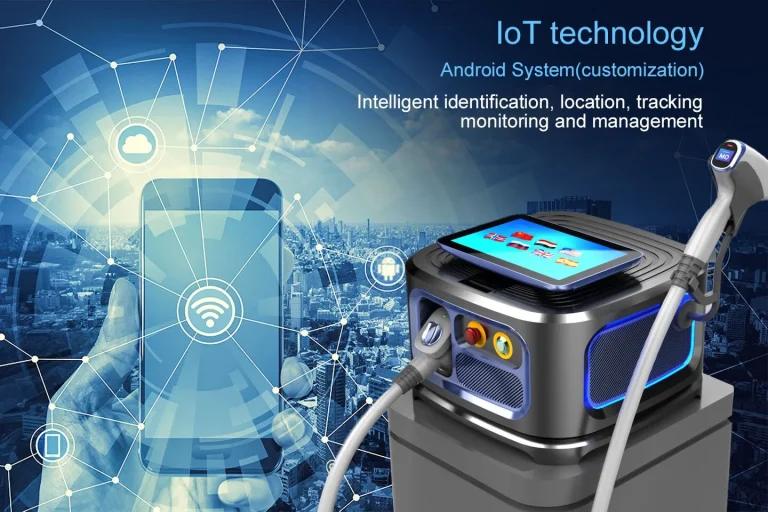
Where Cynosure acts like a complete upscale ride, MQLASER resembles a capable base you can adjust for your own routes. MQLASER works deep in the beauty device field. It treats picosecond tech with a maker-partner outlook, not a sealed-item view. So, you become a key piece in the product setup, rather than just an end user. The Picosecond laser draws from a skilled in-house research group. They bring solid know-how in optics and overall design. Rather than locking the structure in place, MQLASER keeps improving it. The firm puts a good chunk of yearly earnings back into fresh developments. This keeps updates quick and effective.
You get true OEM/ODM help too. That covers tweaks to the software look, outer style changes, fine-tuning of tech specs, and even branding tasks like adding your logo or aiding with promo materials. These elements are baked in from the start. When it comes to rules and approvals, MQLASER devices already meet big global benchmarks like CE, ISO 13485, and others. The team also aids partners with papers for local approvals. For your operations, this cuts red tape and speeds up getting into new spots. To sum up, MQLASER does more than sell a picosecond unit. It hands you a growing picosecond business base.
Product-Level Comparison: Cynosure vs. MQLASER Picosecond Laser

Now, let us shift from big ideas to the actual parts.
Pulse Width and Energy Architecture
Cynosure’s picosecond laser uses a set pulse design. It aims to give steady results in a tight range of setups. This works well for those who want a simple plug-and-play style. On the other hand, the MQLASER Picosecond laser centers on a 350ps pulse width build. It pairs that with stronger energy choices (up to 1200mJ / 2400mJ based on the setup). So, you have greater scope to match the output to varied treatment types and what your customers expect. What does this mean for your work? Cynosure: steady, yet stiff. MQLASER: accurate, yet flexible.
Optical Delivery and Beam Control
The beam’s quality shapes how trustworthy a picosecond system seems during regular sessions. Cynosure builds in a closed light path for evenness, but with little room for tweaks. The MQLASER Picosecond laser uses a 7-joint articulated arm that turns fully 360°. It works with mirrors that pass over 95% of the light efficiently. You can usually adjust the spot size from 2–10 mm. This lets you fit the beam to diverse needs without added mechanical fuss. For your staff, it brings easier control, better energy spread, and fewer trade-offs when changing tasks.
System Monitoring and Stability
Dependability goes beyond just the pieces; it involves watchful oversight. Cynosure setups depend on proven inner safety rules to keep things safe within fixed limits. MQLASER Pico units include multi-point self-check oversight. They have many internal sensors that watch the status live. If something off happens, the device acts fast. This lowers dangers and stops. Looking at it from your business side, that leads to quicker fixes. It means fewer surprise halts. And it allows smoother plans for upkeep over time.
Customization, Cost Efficiency, and Market Adaptability
Here is where the split truly sways many purchasers.
The table below lays out a straight matchup on the real concerns for growing your venture.
| Comparison Area | Cynosure PicoSure | MQLASER Picosecond Laser |
|---|---|---|
| Customization | Fixed configuration | Software, appearance, and parameter customization |
| Cost Efficiency | Premium pricing, limited flexibility | Competitive pricing with scalable configurations |
| Joint R&D | Closed development cycle | Active OEM/ODM and co-development support |
| Market Flexibility | One-size-fits-all | Adaptable to regional markets and branding |
If you run in several areas or aim to launch your own branded range, this adaptability difference is tough to overlook.
Long-Term Ownership: What Happens After Installation
Lots of buyers zero in on the buying instant. Savvy ones think about the coming five years. A locked device means updates rely fully on the maker’s schedule. A flexible base allows step-by-step improvements. MQLASER’s Picosecond laser gains from a few strong points. Modular component design. Easier part replacement. Lower accessory wear. Structured after-sales support. All this eases the ongoing costs. It also puts more say in your hands for managing the device’s life.
Final Thoughts: Which Picosecond Path Fits You?
If you value adaptability, OEM prep, certification aid, and growth potential, MQLASER provides a picosecond base that expands alongside your operations instead of limiting them. Your best pick relies less on the gear alone and more on your strategy for standing out in the field.
FAQ
Q1: Is a fixed picosecond laser easier to operate for new teams?
A1: Fixed systems reduce configuration choices, which can simplify initial training. However, adaptable systems can achieve similar ease once presets are established.
Q2: Why does OEM capability matter in picosecond equipment selection?
A2: OEM capability allows you to align the product with your brand, pricing, and regional needs, which is critical for long-term differentiation.
Q3: How do certifications affect market expansion?
A3: Systems aligned with international standards shorten registration timelines and reduce regulatory risk, especially when entering new markets.