Choosing a beauty device can feel a bit like choosing a car. One model carries a famous badge and a long reputation. Another promises flexibility, fresh technology, and more room for customization. Both can take you where you want to go, but the route may look very different. Candela CO2 RE and DEPPLUS differ in workflow design, system flexibility, and supplier cooperation models. This article breaks down those differences in clear terms so you can decide which option fits your business goals.
Core System Philosophy: Candela CO2 RE vs DEPPLUS
When you compare these two systems, the difference starts with design philosophy.
Candela CO2 RE focuses heavily on digital preset modes and high-precision scanning control. The system offers multiple treatment depths through predefined operating modes such as Light, Mid, Deep, and Fusion. These preset modes allow operators to simplify parameter adjustments while maintaining high performance.
Light mode: Superficial exfoliation, ideal for improving skin texture, pore and fine lines, with an extremely short recovery period (similar to “weekend laser”).
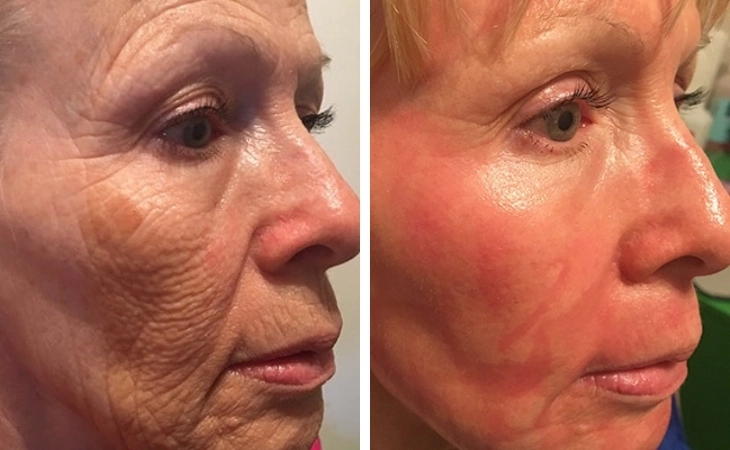
Mid mode: Targets the mid dermis, suitable for more pronounced wrinkles and photoaging.
Deep Mode: A deep-layered microneedling technique that targets the dermis’ deepest layer, effectively addressing stubborn acne scars and surgical scars.
Fusion mode (core advantage): By integrating the aforementioned multiple depths, it addresses both epidermal and dermal issues in a single treatment session, serving as the “trump card” mode of this device.
DEPPLUS takes a slightly different approach. Instead of separating depth levels into fixed programs, it provides adjustable shallow, middle, and deep levels within a combined operating mode. This means operators can modify depth and density inside one session rather than switching modes repeatedly.
From a workflow perspective, this difference matters. If you prefer preset automation, the CO2 RE design may appeal to you. If you want more direct parameter control and flexible combinations, DEPPLUS offers another path.
Technical Performance and Operating Structure
Performance depends on several elements: output stability, pulse width control, scanning patterns, and system interface.
Dual-Mode Synchronization is the most distinctive technology of CO2 RE. It not only enables treatment at a single depth but also allows simultaneous processing of both superficial and deep skin layers during a single pulse burst. Synergistic effect: During a single treatment session, the light spot can be configured to partially vaporize the epidermis (for depigmentation and skin rejuvenation) while simultaneously penetrating the dermis (to stimulate collagen production and eliminate pits). This not only enhances therapeutic efficacy but also achieves a more natural overall post-treatment skin improvement.
Candela CO2 RE uses RF-excited tube technology and a high-precision scanning system. Compared to low-end glass tubes, it exhibits extremely stable output energy with a finer light spot. These components allow the device to deliver consistent energy output with adjustable scanning patterns. The maximum output power is 60W (leading among similar devices, ensuring sufficient energy support). Equipped with SuperPulse (ultra-high pulse) technology, the pulse width is extremely short. It vaporizes the tissue before the skin has time to transfer excessive heat to the surrounding area, thereby reducing thermal damage and postoperative redness and pain. It can scan over 100 patterns (circular, square, rectangular, annular, etc.), with adjustable size and aspect ratio.
Penetration depth: CO2 RE Deep: targets deep tissues (such as deep acne pits and wrinkles). CO2 RE Superficial: targets epidermal renewal. CO2 RE Intima features specialized consumables and tools for female intimate health. It achieves precise control of exfoliation depth through 360-degree rotational scanning, making it one of the most internationally recognized certified devices in this field.
DEPPLUS also operates at the same wavelength but emphasizes narrow pulse width and multi-layer combination modes. According to the comparison material, the system can adjust shallow, mid, and deep layers during the same program, which helps simplify treatment workflow for operators.
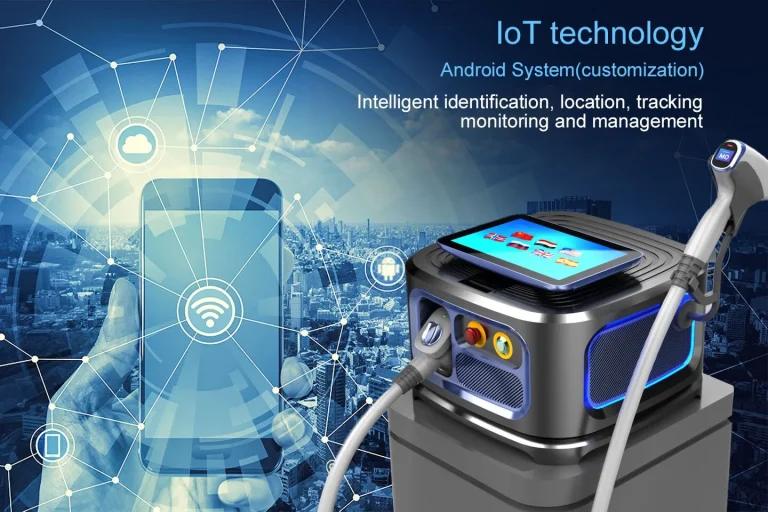
Another difference appears in the control interface. Candela uses a traditional professional interface designed around preset programs. DEPPLUS uses an Android-based operating platform, which allows additional features such as parameter presets, record storage, and system updates. For clinics managing multiple treatment rooms, software flexibility can influence efficiency.
A Quick Comparison Table for Business Buyers
| Feature | Candela CO₂ RE | Lumenis UltraPulse | MQLASER DEPPLUS CO₂ Laser |
| Core Strength | High flexibility, synchronized dual-mode scanning, dedicated intimate wellness module | Extreme penetration capability, designed for very severe scar applications | Adjustable superficial, mid, and deep levels; Combo mode integrates multiple depths in a single session to address surface and deeper layers simultaneously |
| User Experience | Highly digitalized system with a fast learning curve | Strong reliance on operator experience due to extensive manual parameter control | Android-based system with optional AI features; intuitive operation, client profile storage, rental support, and remote software updates |
| Penetration Capability | Strong depth performance covering approximately 95% of the aesthetic market needs | Industry-leading penetration, suitable for extreme and specialized cases | Especially effective for fast eye-area wrinkle refinement and other precision-focused body areas requiring anti-aging, resurfacing, and repair |
| Comfort Level | Relatively high comfort with well-controlled energy delivery | Noticeable discomfort at higher energy settings | Narrow pulse width with high energy efficiency; lower perceived discomfort and enhanced safety profile |
Why Many Distributors Work with MQLASER
In the beauty equipment industry, manufacturers that combine strong engineering capability with flexible cooperation models often become preferred partners for distributors and clinic groups.
MQLASER, a company that has spent years developing aesthetic devices and supporting international partners. Instead of operating as a simple equipment supplier, the company works closely with clients who want to build their own product lines or expand existing treatment portfolios.
Their engineering team includes specialists with extensive experience in laser system development. Each year, the company allocates roughly 15 percent of annual revenue to product development, which helps accelerate new device launches and keep hardware designs competitive.
Certification also plays a major role for distributors entering international markets. The company’s devices already comply with global standards such as CE, ISO, and RoHS, and the production system follows ISO13485 quality requirements. This foundation allows partners to move more smoothly through regulatory processes.
Customization is another reason distributors often choose this manufacturer. Clients can request adjustments such as: interface design changes, software customization, device appearance updates, parameter configuration, and brand logo integration. Marketing support is also part of the package. Partners receive visual materials and documentation that help introduce devices to local markets.
For businesses looking to expand product portfolios without building an in-house R&D department, cooperation with a manufacturer that combines engineering strength with flexible OEM services can reduce both time and development cost. Feel free to contact MQLASER!
Operational Workflow: Which System Is Easier for Clinics?
Daily operation matters just as much as raw technical capability. Candela CO2 RE organizes parameters through preset programs. This structure helps simplify operations for technicians who prefer fixed modes. It can reduce the need for frequent manual adjustments.
DEPPLUS offers a different workflow. Operators can modify parameters inside one treatment program instead of switching modes repeatedly. The Android system also supports parameter storage and software upgrades. If your clinic performs a wide variety of procedures each day, flexible parameter control may improve efficiency.
Choosing the Right System for Your Business Strategy
When deciding between the two systems, the key question is not which machine is better. The real question is which one matches your business model.
You may lean toward Candela CO2 RE if: Your clinic prefers a premium brand device. You rely on preset operating modes. Your focus is on the established equipment reputation. You may lean toward DEPPLUS if: You plan to distribute devices. You want branding customization. You value flexible software systems. You want a more scalable cost structure. Both systems share similar core technology, but their market positioning differs significantly.
Side-by-Side Business Comparison
| Decision Factor | CO₂ RE | DEPPLUS CO₂ Laser |
| Customization Depth | Fixed system logic with limited modification | Full OEM/ODM flexibility (software, interface, appearance, parameters) |
| Cost-Effectiveness | Premium acquisition and maintenance profile | Higher performance-to-cost ratio across lifecycle |
| Joint R&D Potential | Closed development framework | Open collaboration with manufacturer R&D teams |
| Market Flexibility | Strong in standardized markets | Highly adaptable across regions and business models |
Conclusion
Choosing a CO₂ fractional device is not only about technical specifications. It is also about workflow, supplier cooperation, and long-term market plans. Candela CO2 RE represents a well-known system built around preset operating modes and high-precision scanning technology.
DEPPLUS offers a different philosophy. Its flexible parameter control, Android-based interface, and strong customization potential make it attractive for distributors and clinic groups expanding into new markets. If you evaluate devices through the lens of business flexibility, partnership support, and technology collaboration, the comparison becomes clearer. The right choice depends on how you plan to grow your beauty business.
FAQ
Q1: What is the main difference between Candela CO2 RE and DEPPLUS?
A1: The primary difference lies in system philosophy. CO2 RE relies heavily on preset treatment modes, while DEPPLUS provides adjustable multi-layer parameter control within one operating program.
Q2: Which system is more suitable for distributors building their own brand?
A2: DEPPLUS is generally more suitable because it supports customization, OEM cooperation, and flexible market strategies.
Q3: Can both systems perform similar treatment programs?
A3: Yes. Both devices operate at the same 10600 nm wavelength and support similar beauty treatment applications. The main difference lies in workflow design and system flexibility rather than core technology.