Before we dive into specific machines, it pays to understand why picosecond technology now plays a key role in many professional beauty setups.
For distributors and clinic chains, picosecond setups are far from mere add-ons. They act as core money-makers. One such setup often lasts for years. It includes various handpieces or wavelength choices. Plus, it shapes your brand’s appeal to customers. This is exactly why savvy buyers like you dig deeper than basic promises. You focus on real-world concerns:
How reliable is the pulse pattern during extended use?
Does the setup adjust easily as your market shifts?
Who manages the software, settings, and screen flow?
What occurs when parts require swapping after a few years?
Keeping this in view, let’s examine how these two picosecond lines stack up in everyday business scenarios.
The premium picosecond platform: what you are really buying
The first system in this comparison here is a well-known high-end picosecond laser platform from a veteran global firm. As a buyer, this platform brings three solid benefits. For starters, it provides stable picosecond pulses that hold up well over long sessions. Next, it functions as a closed, standardized platform. Finally, the brand’s fame eases sales in certain areas. Clinics that lean on name-based ads find this speeds up choices. Yet, these traits also create drawbacks that buyers should note. The setup stays rigid. Tailored software flows, screen designs, or your own labels are seldom available. Part swaps and repairs stay under the manufacturer’s strict watch. Pricing mirrors the brand’s status as much as the actual build costs. If your plans hinge on adaptability, local tweaks, or your own branding, these hurdles soon add to your expenses instead of aiding your goals.
A different path: how MQLASER approaches picosecond systems
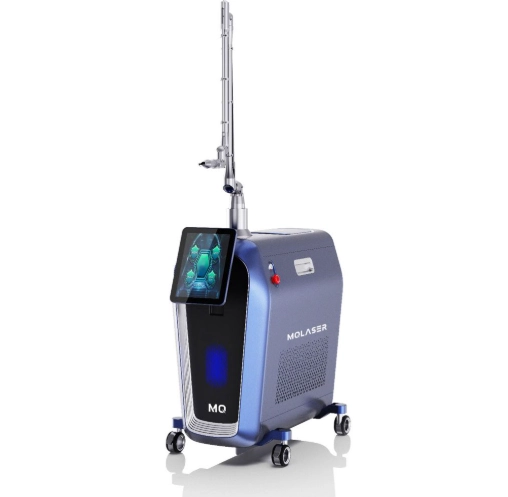
While certain firms craft items first and ties later, MQLASER flips that script. It runs as a beauty gear manufacturer with a robust in-house engineering vibe. The focus lies on picosecond setups that bend, tailor, and grow alongside you. Technically speaking, its picosecond units center on ultra-short pulse width architecture (350 ps). They pair this with strong peak power and even beam spread. This mix isn’t random. It aims to match energy use, light steadiness, and lasting part strength.The real edge isn’t only in the parts, but in the thinking that guides them. You team up with folks who back OEM and ODM cooperation right from the start. Screen languages, setting frameworks, control flows, and even some tech specs can fit your local demands. They don’t stick to one worldwide mold.
A big chunk of this strength stems from its inner workings. A focused R&D group with solid know-how pushes steady improvements. About 15% of yearly sales goes back into fresh product work. You see this in how new add-ons, wavelength picks, and tweaks shift from ideas to ready units fast. When it comes to rules, the units meet international certification frameworks such as CE and ISO 13485. They offer extra paperwork help for local approvals if needed. This counts if you work in various spots or aim to grow. To put it plainly, you’re not just grabbing a device. You’re gaining entry to a manufacturer who plans for your business to change and expand over time.
Looking closer at the picosecond product design
For a balanced view, it’s useful to check how each picosecond item comes together in build and digital aspects. The high-end one uses a closed optical architecture with little room for changes. The pulse core, flexible arm, and control panel blend into one piece. This ensures steady results. However, it also limits updates to what the maker chooses, not what users need. On the other hand, units like the MQLASER Picosecond Laser use a more flexible build style. Top-notch mirror parts, bendable arm motion, and changeable spot modules let the setup adjust without a full overhaul. As a buyer, this impacts three key areas right away:
Lifecycle cost: Flexible builds handle upkeep and updates with less hassle.
Downtime risk: Straightforward part changes cut repair waits.
Market response speed: You move quicker than rivals stuck with rigid setups.
Software, interface, and who really controls the system
Parts grab attention, but pros know software shapes everyday ease.
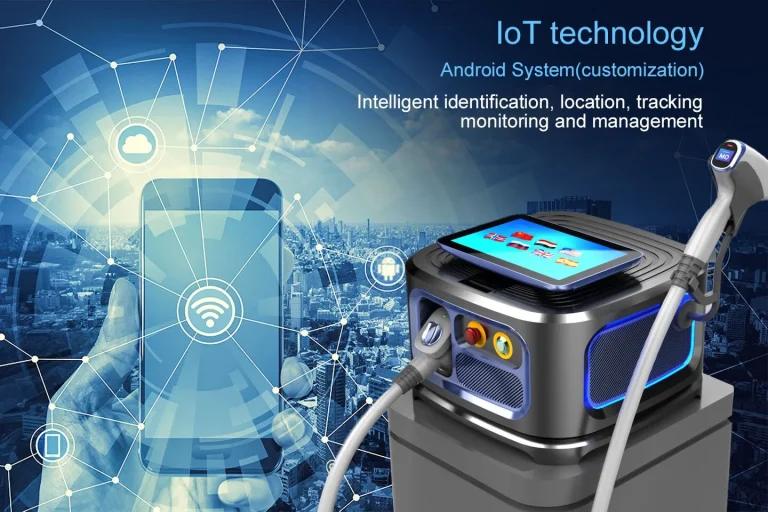
In the high-end model, the screen feels smooth and reliable, yet mostly set in stone. Settings, display patterns, and language choices follow a worldwide norm. This suits markets that match that norm well. MQLASER units, however, draw from a customizable software architecture. You can tweak screen tongues, setting builds, control paths, and branding bits to match your style. For sellers crafting their own lines or clinic networks spanning areas, this grip proves a key tool. The gap feels small but packs a punch: one setup expects you to fit its ways; the other bends to yours.
Cost structure and long-term value, not just purchase price

The issue isn’t “Which one’s the bargain?” Instead, it’s which one runs cheaper over five to seven years. The high-end model starts with a steeper tag and steady follow-up fees. Some buyers accept this steadiness. MQLASER sets its picosecond units with a cost-performance balance at heart. You access strong parts, global approvals, and tweaks without footing bills for brand extras that don’t boost performance. This gap shows clearer as you grow. Running several sites, selling units, or shaping a local mark? Then bendability and expense management often outweigh name fame.
Comparison
| Key Factor | Candela PicoWay | MQLASER Picosecond Laser |
|---|---|---|
| Customization | Fixed configuration | Software, exterior, and parameter customization |
| Cost-performance | High brand premium | Balanced hardware-to-price ratio |
| R&D cooperation | Limited external input | OEM/ODM collaboration encouraged |
| Market flexibility | Global standard model | Adaptable to regional needs |
| Upgrade path | Manufacturer-driven | Manufacturer + partner driven |
Choosing with your business model in mind
If your approach relies on quick name pull in a tight, settled market, a high-end locked setup might fit fine. But if you’re setting up sales webs, pushing into fresh zones, or crafting a unique pitch, a manufacturer-led picosecond platform with customization depth tends to yield better lasting gains.
FAQ
Q1: How do you evaluate a picosecond laser system as a distributor rather than a clinic?
A1: You check tweak options, approval aid, repair setup, and if the manufacturer can advance with your market plans.
Q2: Why does OEM/ODM capability matter in the beauty equipment sector?
A2: It lets you match parts, software, and labels to your local stance. That way, you avoid vying on the same gear as others.
Q3: Is long-term R&D investment visible to buyers?
A3: Absolutely. It appears in quicker fixes, stronger part hold, and a supplier that matches market turns ahead of time, not just after.