
Selecting a CO₂ laser beauty device resembles picking an engine for your vehicle. If you just glance at the horsepower figures, you might wind up with a noisy machine that’s costly to upkeep and ill-suited for everyday driving conditions. When you’re procuring gear for selling, expanding a chain of operations, or partnering in OEM projects, power isn’t merely a promotional tag. Instead, it serves as a crucial business factor that influences productivity, safety levels, client contentment, and ongoing expenses. This article dives into comparing CO₂ laser beauty devices by examining power directly—not through flashy pamphlets—so you can make choices that stand strong once the equipment is set up and running.
Power Starts at the Core: RF Tube vs Glass Tube
Before you dive into wattage comparisons, consider how power gets generated in the first place. This stands as the primary difference in CO₂ laser setups, and suppliers often mask it behind comparable numerical specs.
RF Tube Systems: Lower Wattage, Higher Quality Power
Systems using RF-excited tubes typically function within the 30W–60W range. At first glance, those figures might seem rather basic. Yet, in actual use, they deliver impressive results. The main features include an exceptionally elevated power density, along with remarkably narrow and focused beam spots, plus brief pulse emissions that pack substantial burst energy. In everyday scenarios, a 30W RF setup can surpass the capabilities of a 60W glass-based one, simply because its energy stays pinpointed instead of scattering. Thus, the power arrives exactly where it’s required, avoiding waste as heat in nearby zones. Such focus enables quick reactions on the skin’s surface while minimizing excess thermal accumulation. Consequently, treatments become more efficient and comfortable for users.
Glass Tube Systems: Higher Wattage, Broader Energy Spread
Devices with glass tubes generally operate between 40W and 100W. Their structure relies on boosted wattage to offset the broader beam width and reduced energy focus.
Common traits encompass bigger beam spots, diminished power density, and a heavy dependence on sheer wattage output. However, this approach brings drawbacks like widespread heat distribution. As the wattage increases, more adjacent tissues pick up stray heat, which heightens inflammation, extends healing periods, and raises usage hazards—particularly if the power regulation lacks smoothness. For purchasers who fixate solely on the numbers, pitfalls often start right here. They overlook how the energy behaves in practice, leading to suboptimal performance over time.
Rated Power vs Real Output: Why Peak Power Changes Everything
Numerous vendors highlight average power in their specs because it grabs attention. Nevertheless, within CO₂ laser devices, peak power truly drives the effectiveness.
Average Power: Capacity and Speed
Average power, such as 30W, 40W, or 60W, governs several aspects: it dictates the duration the machine can sustain nonstop operation, the pace at which scanning patterns progress, and the general efficiency of the workflow. These elements prove vital for busy settings with frequent use. That said, average power alone doesn’t reveal the impact of individual pulses. In high-demand environments, where sessions pile up quickly, this metric ensures smooth handling of back-to-back treatments without faltering.
Peak Power: The Quality of Each Pulse
Peak power determines the intensity during a single pulse. Superior RF systems provide notably elevated peak power, coupled with very brief pulse durations and powerful immediate energy bursts. As a result, the device can penetrate deeper skin layers effectively while restricting thermal diffusion to surrounding tissues.
On the other hand, glass tube setups frequently exhibit reduced peak power, despite their elevated average wattage. This leads to prolonged heat exposure rather than sharper accuracy, which can complicate delicate procedures and affect overall outcomes.
How Power Directly Changes Real-World Results
Power isn’t some vague concept. It manifests clearly in routine applications, shaping the way treatments unfold.
Higher Effective Power = Faster Coverage
Dealing with extensive treatment zones requires solid usable power to enable denser spot arrangements, quicker scanning rates, and reduced overall session durations. Therefore, operators can handle more clients per day, boosting productivity and streamlining daily schedules without compromising quality. This practical advantage turns into a tangible gain for businesses aiming to maximize their operational flow.
Higher Effective Power = Deeper Energy Reach
When addressing robust skin textures or persistent surface imperfections, adequate power becomes essential to penetrate 1–4 mm below the outer layer, sparking natural tissue regeneration without overburdening the surface. Here, the superiority of peak power quality outweighs mere wattage totals, as it ensures targeted depth while preserving surface integrity. Operators notice this in smoother recoveries and more reliable improvements, which build trust with clients over repeated visits.
Why “More Power” Can Be a Problem
Uncontrolled power offers no real benefit; it can actually hinder performance. Budget-friendly high-wattage units commonly face issues like broad power increments, erratic output levels, and inadequate thermal regulation.
If power adjustments jump in large steps, even minor tweaks pose dangers, especially around delicate areas. Seasoned professionals prioritize tiny adjustment increments over peak wattage, valuing the ability to fine-tune safely. In essence, targeted precision always trumps overwhelming force, leading to safer and more versatile applications across various skin types and conditions.
Where Manufacturing Strategy Becomes a Business Advantage

At this point, shift your focus from individual machines to the suppliers behind them. In the beauty equipment sector, MQLASER treats power as an integral part of system design, rather than a mere sales gimmick.
Instead of pursuing flashy wattage claims, the firm pours resources into generator reliability, steady output delivery, and software-driven accuracy. A committed R&D group backs OEM and ODM initiatives, channeling a large portion of yearly earnings back into innovating fresh products. This approach guarantees that updates enhance real-world efficiency, avoiding hollow spec boosts.
Ultimately, the equipment emerges tailored for enduring commercial demands, prioritizing sustained value over fleeting marketing hype. Such strategies help partners thrive in competitive markets by offering tools that deliver consistent returns. Feel free to contact MQLASER!
Product Examples Placed in Real Power Context
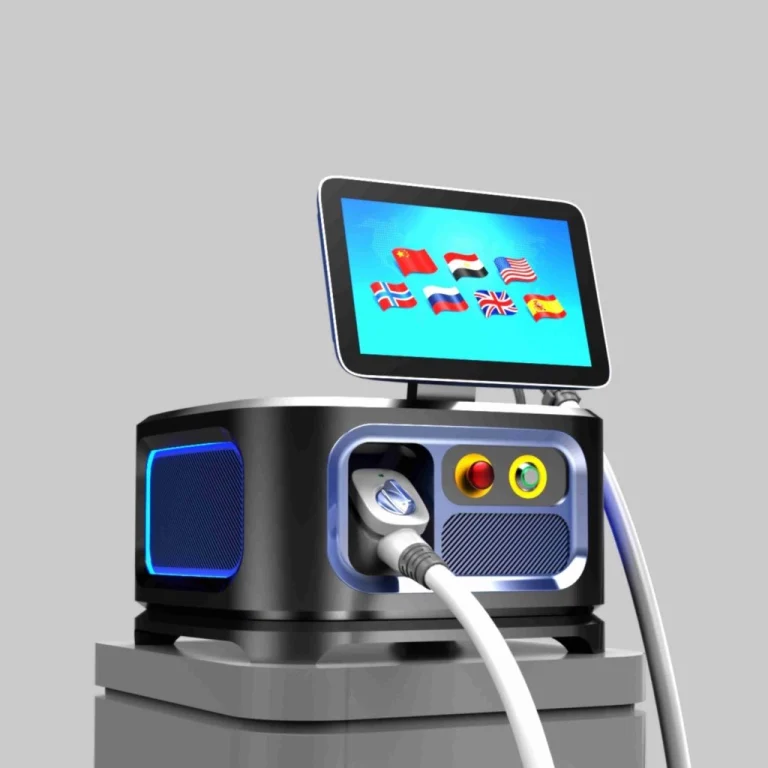
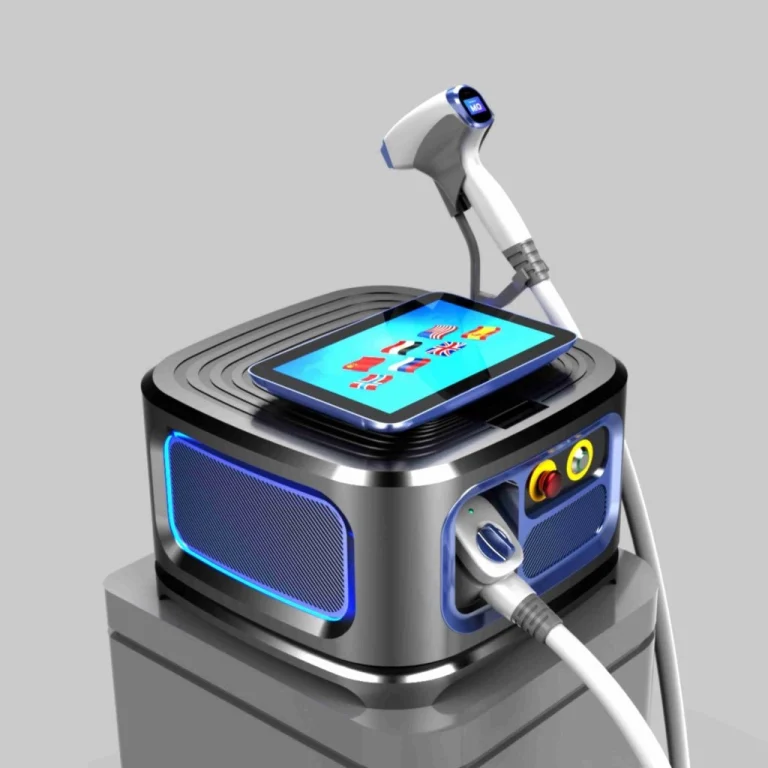
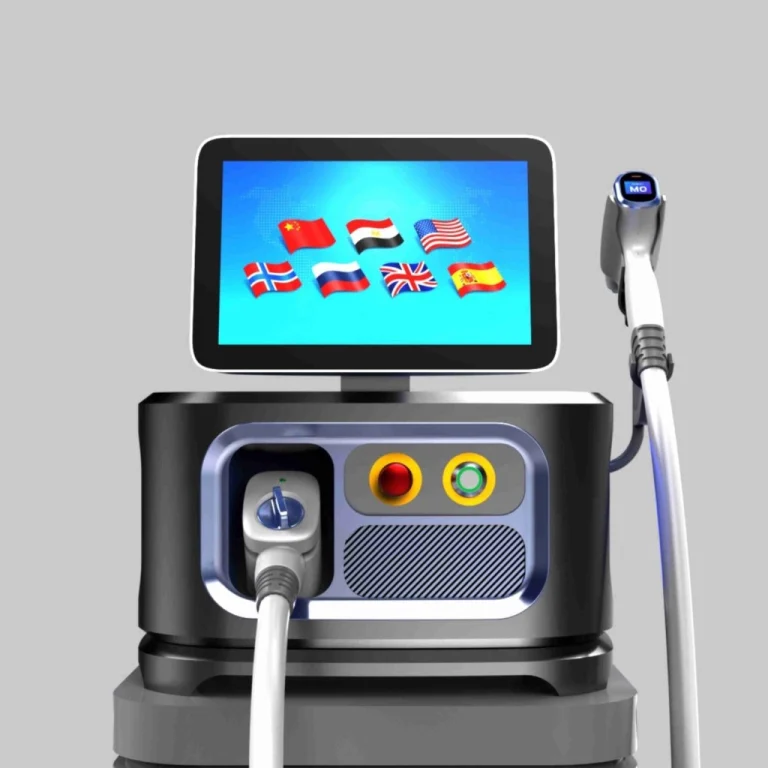
To grasp how these ideas apply to tangible products, examine two variants that cater to distinct practical requirements. The DIATERMOLOGIE® Portable Co2 Laser emphasizes adaptability in its power setup, prioritizing focus and command, which suits it well for portable applications, small-scale salons, or sellers focusing on space-saving options.
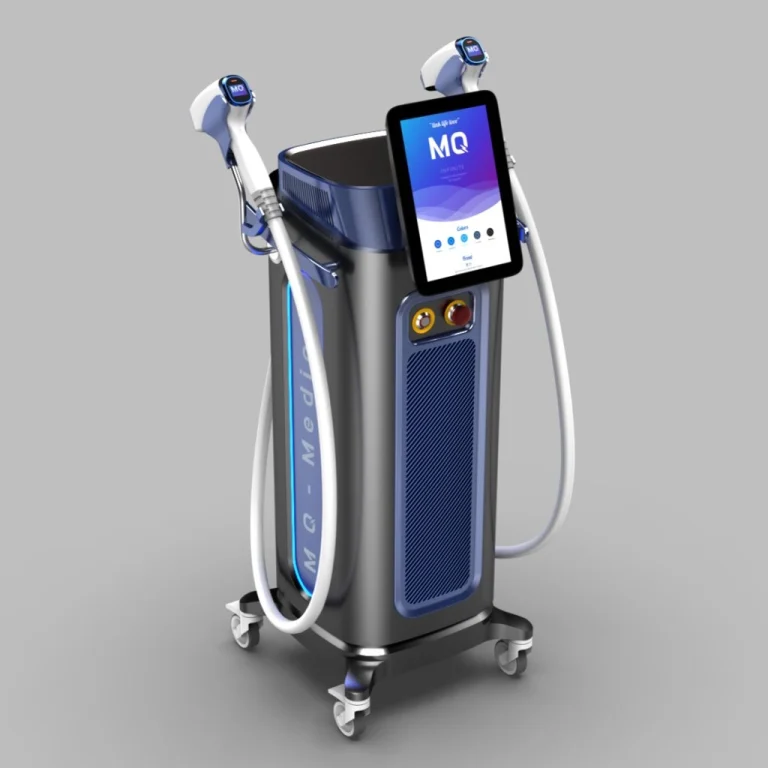
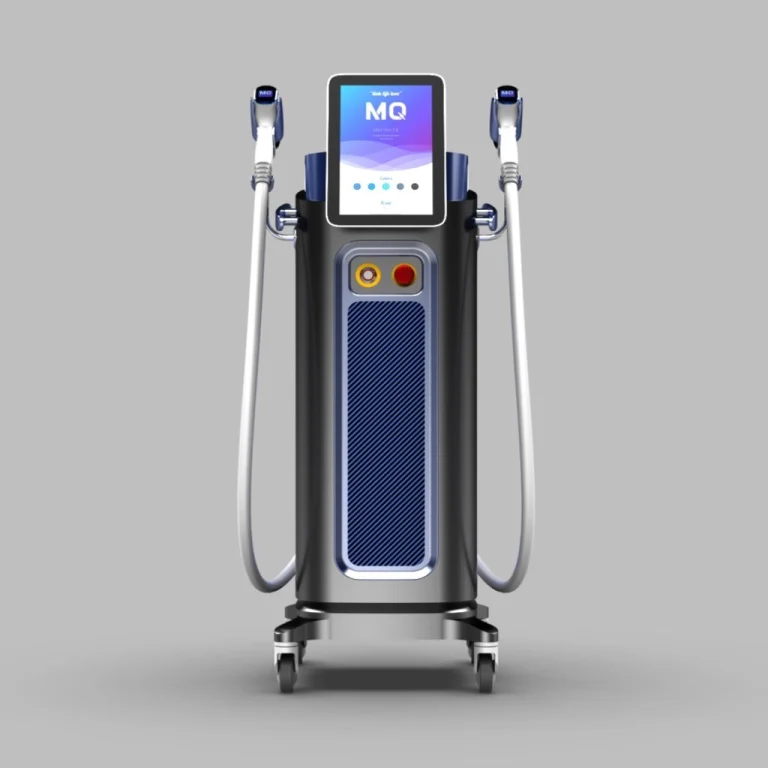
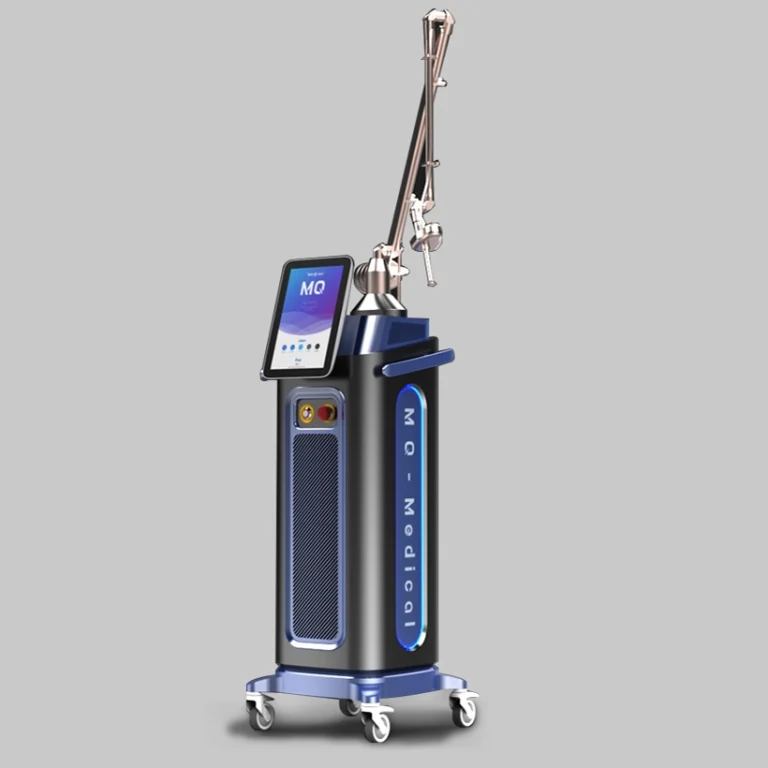
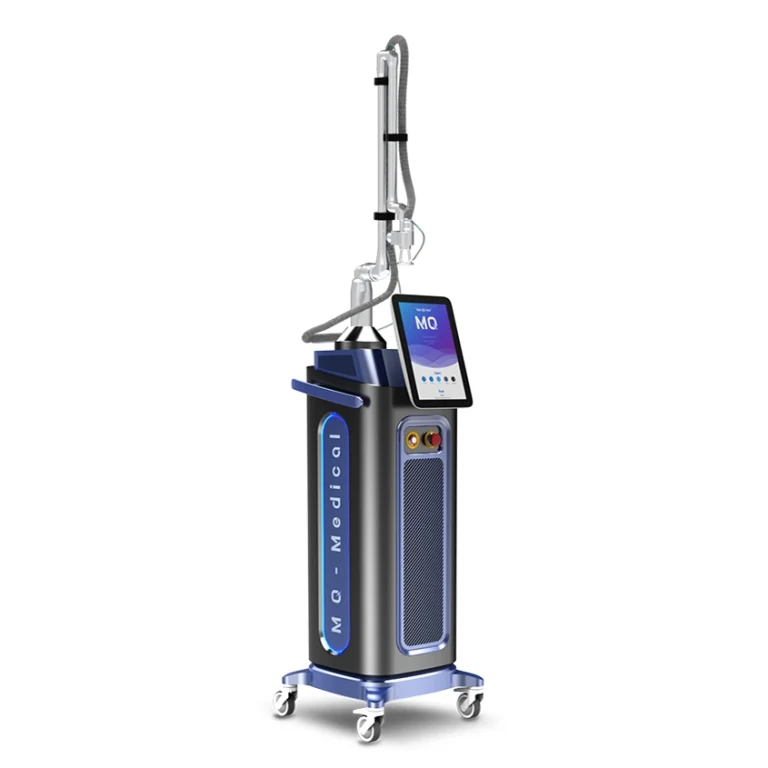
Moving to more intensive setups, the DEPPLUS® Stationary Fractional CO₂ Laser targets demanding clinics. Its framework bolsters prolonged output, accelerated scanning, and reliable function amid heavy usage. These aren’t just size-based differences; they embody varied philosophies on power management, allowing buyers to match devices precisely to their workflow needs and growth plans.
Power Choice Is Also a Compliance Decision

The caliber of power influences not only performance but also regulatory aspects, upkeep routines, and entry into various markets. Well-engineered systems simplify adherence to global standards like FDA, MDR CE, and ISO 13485. Moreover, a proactive manufacturer aiding local approvals cuts down on time, expenses, and uncertainties when navigating controlled regions.
Beyond that, consider added benefits such as organized post-purchase assistance, planned servicing schedules, and comprehensive personalization options—including software tweaks, structural changes, parameter settings, logo integration, and promotional resources. In this way, selecting power integrates into a broader business framework, transforming a one-off buy into a supportive partnership that evolves with your operations.
Common CO₂ Laser Power Configuration Comparison Table
| Power Level | Device Type | Main Application Scope | Market Evaluation | Recommended Model |
|---|---|---|---|---|
| 30W (RF Tube / Glass Tube) | Desktop or portable systems using RF tube or glass tube | Skin resurfacing, nevus removal, mild acne marks | Highest cost-performance ratio; suitable for entry-level aesthetic clinics and beauty studios | DIATERMOLOGIE® Portable CO₂ Laser |
| 40W – 60W (RF Tube) | Stationary high-end systems for professional clinics or premium beauty centers | Deep acne marks, severe wrinkles, stretch marks | Industry gold standard; strong output and fast scanning speed, ideal for high-traffic practices | DEPPLUS® Stationary Fractional CO₂ Laser |
| 60W – 100W (Glass Tube) | Entry-level stationary systems | Basic nevus removal, superficial resurfacing | High raw power but limited precision; higher maintenance cost due to regular tube replacement | FraxPre Fractional CO₂ Laser |
| 60W – 100W (RF Tube) | Stationary medical-grade systems for large institutions | Deep acne marks, severe wrinkles, shallow to deep wrinkles | Equipped with high-speed digital galvanometer scanners; scanning speed up to 5× faster than analog systems, suitable for large-scale, high-volume facilities | DEPPLUS® Stationary Fractional CO₂ Laser |
Conclusion
Power within CO₂ laser beauty devices doesn’t revolve around grabbing the largest figure. Rather, it centers on the methods of energy production, the exactness of its deployment, and the security of its management.
By evaluating RF and glass tube systems via peak power, adjustment accuracy, and enduring operational worth, your path forward sharpens. Opting for the appropriate power approach minimizes hazards, elevates productivity, and safeguards your funding well beyond the initial setup phase. When power decisions align thoughtfully, subsequent steps in your business journey flow more seamlessly, fostering growth and reliability in a dynamic industry.
FAQ
Q1: Is higher wattage always better for CO₂ laser devices?
A1: No. Power quality and control matter more than raw wattage. Concentrated energy with precise adjustment delivers better results with less heat spread.
Q2: Why do many buyers prefer RF-based systems at lower wattage?
A2: Because RF systems deliver higher peak power and finer control, allowing efficient operation without relying on excessive average wattage.
Q3: How does power choice affect long-term business cost?
A3: Better power control reduces maintenance, lowers risk, improves compliance success, and increases equipment lifespan—directly improving return on investment.