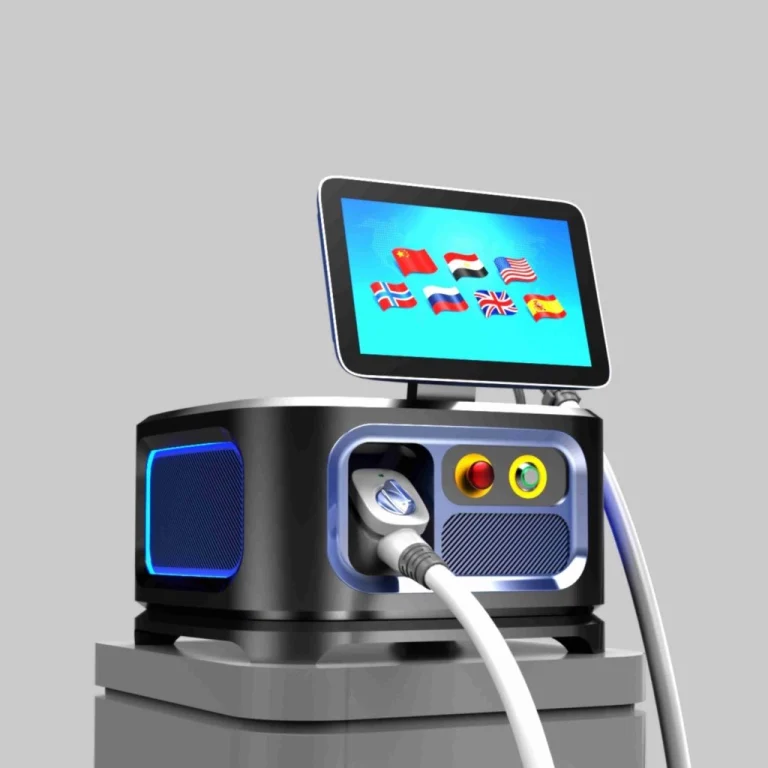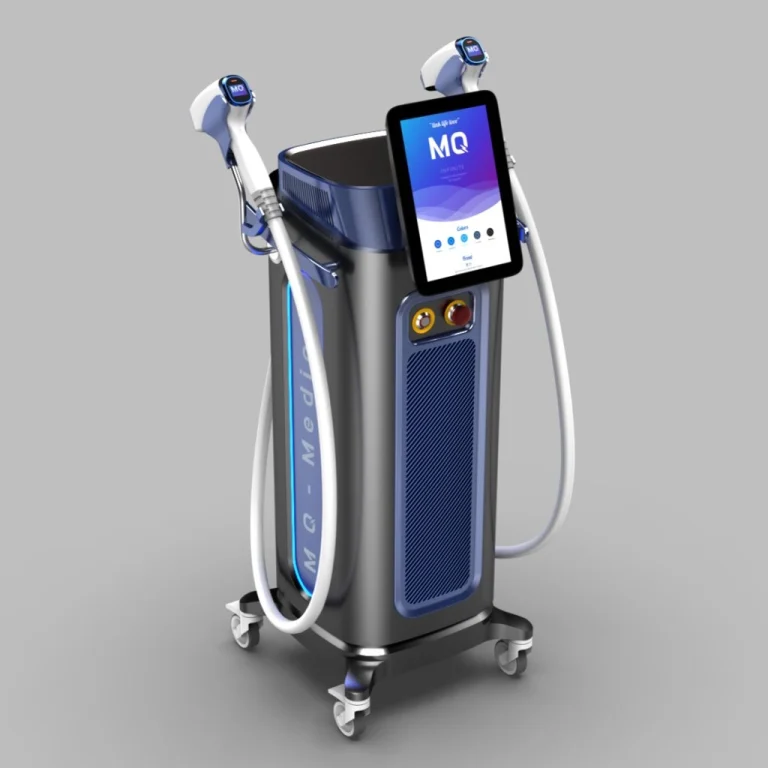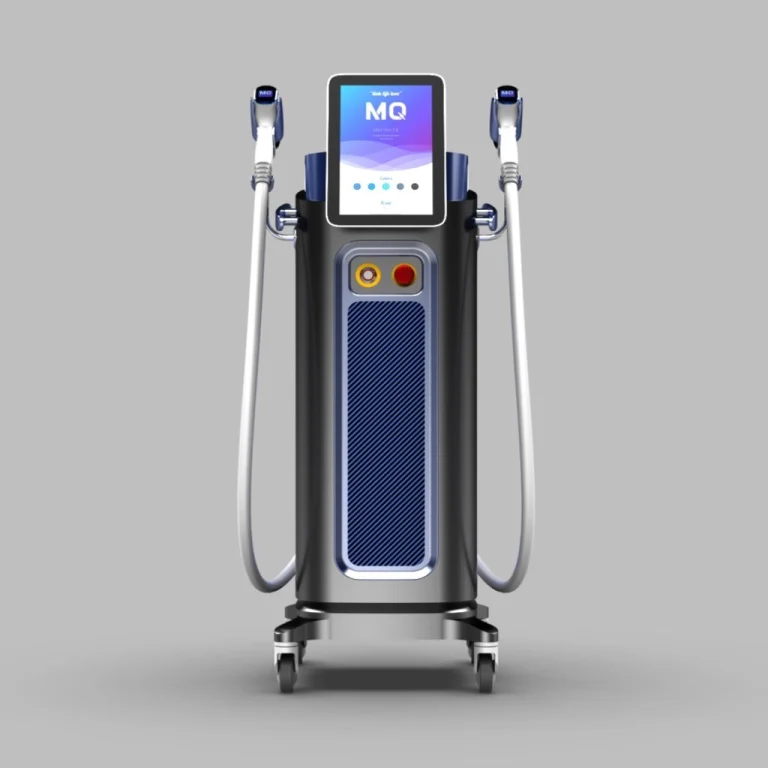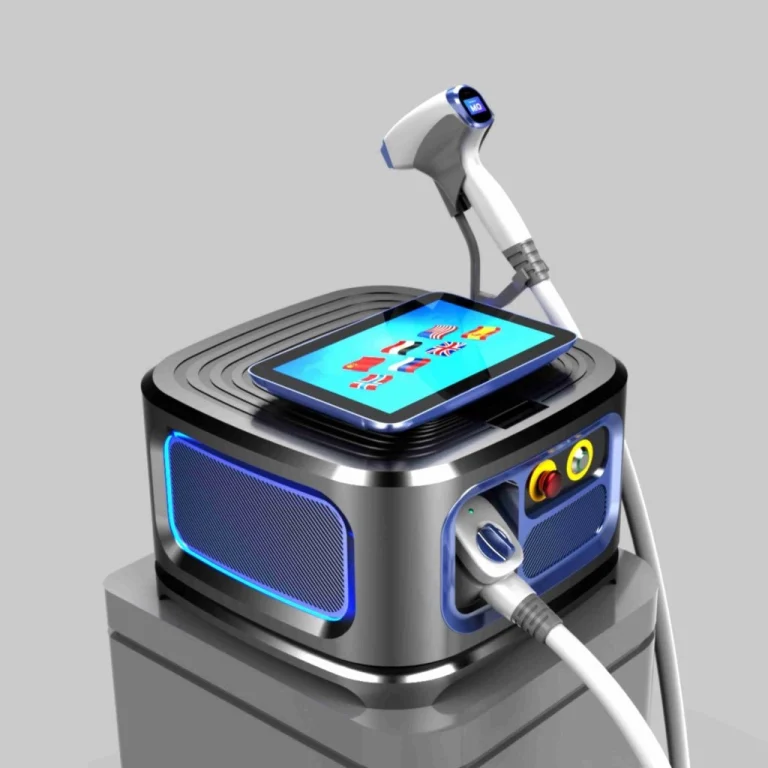
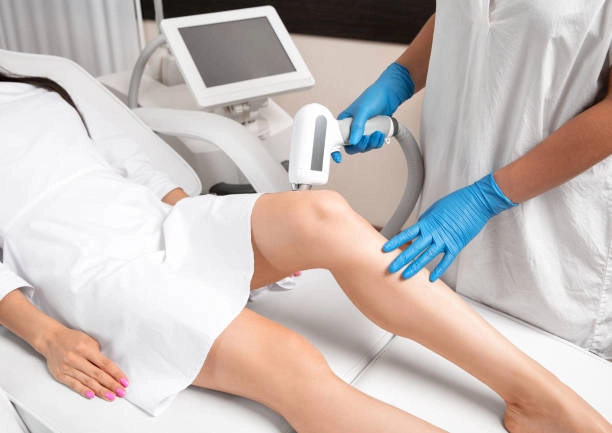
Selecting a laser hair removal device resembles picking a vehicle for your enterprise. Certain models resemble a well-crafted sports car. They feel lightweight, graceful, and striking at first sight. In contrast, others resemble a versatile utility truck. These might lack glamour, yet they handle greater loads, adjust readily, and generate income in various scenarios.
If you find yourself weighing Milesman Compact against SUPLASER, then you stand precisely at this pivotal point. These two devices both belong to the portable commercial laser group. Each strives to challenge the outdated belief that top-notch performance demands cumbersome setups. However, below that apparent likeness, they pursue quite distinct approaches. This piece guides you through those contrasts. It does so in a straightforward, useful manner. In the end, you can determine which route suits your enterprise plan best.
Why Portable Laser Systems Became a Business Strategy, Not a Compromise
Before diving into the comparison of these two devices, it proves helpful to explain why portability holds such importance these days. You no longer purchase a machine solely for one treatment space. Instead, you might manage several sites, offer mobile treatments, set up temporary clinics, or handle dealer networks spanning various areas. Thus, your gear needs to travel smoothly, set up quickly, and deliver steady outcomes without relying on massive setups.
Portability has evolved far beyond mere “reduced dimensions.” Rather, it centers on operational freedom, which both devices try to address, although they tackle it through varying methods.
Milesman Compact: How a Spanish Brand Redefined Portable Performance
Milesman Compact enjoys a strong following in the worldwide commercial portable laser field. Its fame stems from a single major success: demonstrating that robust power output can exist without a bulky frame. That fame arises not just from promotion. It originates from specific technical and design decisions.
VCSEL Technology: The Core Differentiator
The central element of this device involves a VCSEL (Vertical Cavity Surface Emitting Laser) setup.A traditional diode bar is prone to generating “hot spots”, where energy is concentrated at the center with weaker intensity at the edges. VCSEL technology achieves an extremely homogeneous energy distribution, which not only reduces the risk of burns but also minimizes pain perception for patients. Differing from standard diode bar arrangements, this framework provides a much smoother energy spread over the treatment spot. Consequently, you avoid a powerful core with faint borders. Energy flows uniformly throughout the whole area being treated.
As an operator or seller, this offers two clear advantages for your business. First, it ensures more reliable effects across diverse body parts. Second, it boosts the sense of ease for clients, even when using potent settings. Moreover, VCSEL enhances heat management. With reduced excess warmth, it places less strain on inner parts, thereby promoting an extended lifespan for the unit.
Extreme Portability That Changes How You Deploy Equipment
The next standout trait lies in its physical build. Weighing about 9 kg, this unit occupies a unique spot in its class. Numerous items called “portable” actually tip the scales at 25–40 kg. Here, however, a single individual can hoist it effortlessly, position it on a compact cart, or shift it among rooms without any extra help. For those owning multiple outlets or providing on-the-go services, this alters your scheduling entirely. A lone device can attend to various sites. Thus, one purchase can fuel additional income streams.
Blend Four-Wavelength Without Handpiece Switching
In recent editions, the unit merges several wavelengths into one output cycle. Rather than swapping handpieces or units, a single burst targets hairs at varying depths. From the perspective of daily operations, this streamlines procedures. From a promotional standpoint, it bolsters the notion of “a single tool for every hair type,” which appeals greatly to final customers.
755nm: For light-colored, fine hair. 810nm: The gold standard for classic hair removal. 940nm: Targeting microvessels to sever the nutrient supply to hair follicles. 1064nm: Offers enhanced safety for individuals with darker skin tones (Fitzpatrick IV-VI types). Their advantages are that, without the need for tool replacement, the four-wavelength hybrid treatment can address follicles at varying depths within a single pulse, thereby enhancing the clearance rate for complex hair.
Cooling in a Small Body

Even with its modest size, the device incorporates a sophisticated TEC cooling system. The sapphire tip -9°C achieves quite chilly levels, achieving true ‘ice point’ pain-free sensation, which further solidifies the brand’s image for prioritizing user comfort during effective treatments. When you combine all these aspects, they reveal why this product often serves as a standard in portable setups. Nevertheless, serving as a standard does not guarantee it fits every enterprise perfectly.
Where Portability Alone Stops Being Enough
Impressive as this small system may be, you must pose a tougher query.
Does mere portability guarantee sustained earnings?
If your enterprise vision limits itself to running just one branded unit in its standard form, then the response might lean toward yes. But if you envision more—such as custom labeling, dealer costs, area-specific tweaks, or broad market launches—the scenario shifts noticeably. It is at this juncture that SUPLASER steps into the conversation.
SUPLASER: A Portable Platform Built for Commercial Leverage
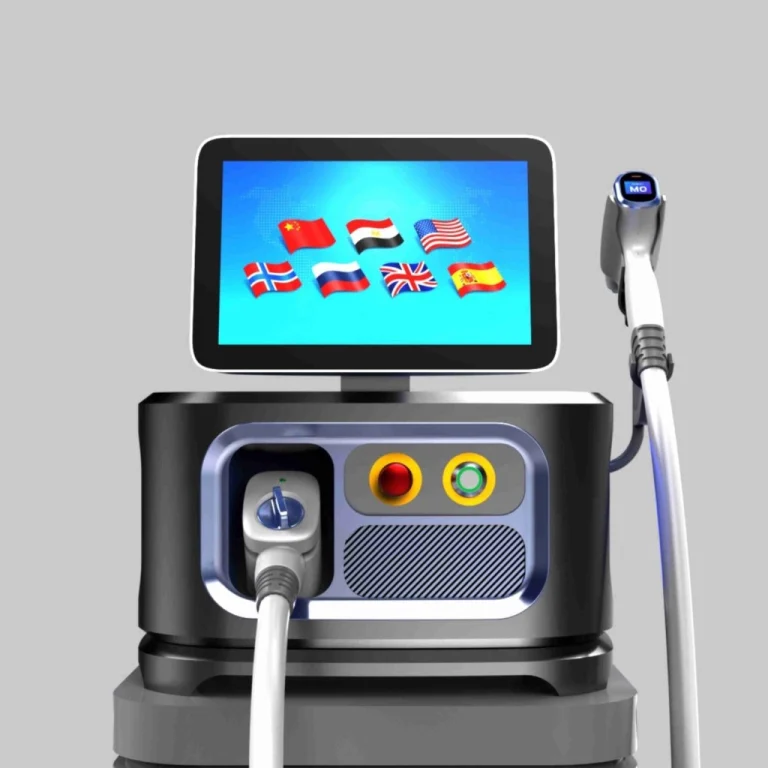
SUPLASER tackles the portable laser niche from an alternative foundation. Instead of pondering “How tiny can we construct it?”, the core design query shifts to: “How many enterprise approaches can one base support?” This variation appears in its framework, partnership style, and enduring worth. At the core of this method stands the producer: MQLASER.
The firm focuses exclusively on the beauty equipment sector. It has shaped its tactics around collaboration over rigid branding. A large portion of yearly earnings gets funneled back into innovation, so fresh versions advance alongside shifting demands instead of remaining unchanged. Rather than promoting one sealed setup, the group facilitates OEM and ODM partnerships at various stages. You can modify the hardware build, user interface, control methods, look and feel, and even output limits to match your strategy.
Global standards receive careful attention from the start. Units come from established quality processes and include certification paths that meet common needs in international arenas. Additionally, partners gain help with regional approvals and entry hurdles, which eases the path to new territories.
Equally vital, after-sales assistance forms part of the partnership framework. Plans for upkeep, expert repairs, and future enhancements tie directly to the initial deal. As a result, you offer not merely a device, but a growing enterprise package. Feel free to contact MQLASER!
Product Focus: SUPLASER as a Commercial Hair Removal Workhorse
Inside this network, the main item under review is the portable laser unit found here: SUPLASER. This unit aims to harmonize three key goals: delivering dependable power for frequent business applications, offering build-to-order adaptability for tailoring, and minimizing running expenses over time. Many sellers emphasize its solid payback potential and alpine ROI. The device operates without needing replaceable parts, experiences few breakdowns, and holds steady results under heavy workloads.
The agent customizes laser hair removal equipment from China, and the SUPLASER factory supports customization of appearance, logo, and even software and technical parameters. Chinese manufacturing labels are very popular among agents in the overseas high-end market. In various regions, collaborators rebrand the unit with their own mark. By adjusting the outer look, screen options, and company details, the identical device can underpin different price levels in separate places. Chinese manufacturing labels are very popular among agents in the overseas high-end market. Usually, after agents add their own brand, they can sell at 6-10 times the procurement price from China. Here, profits frequently surpass the base buying expense by a wide margin.
User ease ranks as another common strength. Many customers report that the comfort level surpasses that of large vertical machines. Reports from business environments often rate it highly against far bigger fixed units, which aids in keeping customers coming back.
Core Parameters Overview

| Parameter | Milesman Compact | SUPLASER from MQlaser factory |
|---|---|---|
| Peak Power | 2000 W (Key factor enabling high efficiency in a very compact body) | 2000 W |
| Repetition Rate | 1–8 Hz (single pulse) up to 10 Hz in sliding scan mode | 1–10 Hz |
| Maximum Energy Density | Up to 30 J/cm² | Up to 40 J/cm² |
| Spot Size | 10 × 10 mm (Not large, but fast when combined with high frequency) | 10 × 20 mm large spot |
| Manufacturing Origin & Certification | Manufactured in Spain FDA & CE (MDR) certified | Manufactured in China Cost-effective, supports multi-level technical parameters and software customization |
Direct Comparison: Where the Two Paths Truly Diverge
To clarify your choice, it benefits to align both selections directly. Do this not just on basic features, but on their effects on your business.
| Comparison Dimension | Milesman Compact | SUPLASER |
|---|---|---|
| Customization depth | Fixed configuration | Full OEM/ODM (software, appearance, parameters) |
| Cost-performance ratio | Premium pricing tied to brand | High ROI with flexible pricing strategy |
| Joint product development | Limited | Supported through ongoing R&D cooperation |
| Market adaptability | Strong in brand-driven markets | Strong across distributors and private labels |
| Expansion flexibility | Single-brand deployment | Multi-brand, multi-region scalability |
This chart avoids naming an overall victor. Instead, it spotlights purpose. One device shines as the product. The other stands out as the platform.
Which One Fits Your Business Strategy?
Opt for the small Spanish device when you depend greatly on name familiarity, you seek an off-the-shelf option needing little setup, and your work focuses on hands-on services over selling to others. Turn to SUPLASER when you aim to create or grow your own label, you collaborate with sellers in diverse areas, and you desire command over costs, image, and future improvements. No option proves mistaken. They merely favor varied plans.
Conclusion: Portability Is the Starting Line, Not the Finish
Portable laser units have already transformed the sector. Now, the key issue revolves around what you wish portability to achieve for your enterprise. Milesman Compact shows that dimensions no longer restrict capability. SUPLASER demonstrates that portability can also release branding strength, area versatility, and expandable gains.
If your aim involves possessing an outstanding tool, the first option communicates plainly. If your aim centers on constructing an adaptable, enduring enterprise around laser tech, the second provides greater space for development.
FAQ
Q1: Which device is better for distributors building their own brand?
A1: SUPLASER fits better because of its OEM and ODM options, which let you match the item to your brand style and market approach.
Q2: Does extreme portability always mean better profitability?
A2: Not always. While portability aids daily tasks, earnings hinge more on cost management, tailoring, and area fit.
Q3: Can one portable device support multiple business models?
A3: Indeed, provided it functions as a base rather than a set item. SUPLASER displays a distinct edge here.