
Handheld and stationary hair removal devices have turned into one of the fiercest battlegrounds in the worldwide beauty device industry. What used to center on simple power levels has now grown into a complex rivalry that includes laser setups, handle designs, cooling methods, ease of carrying, and ongoing business fit.
For sellers, chain managers, and original equipment makers, picking the right one is no longer just about grabbing the most powerful unit. Instead, it involves choosing a setup that matches the size of their operations, the kinds of clients they serve, their daily routines, and how quickly they can see returns on their money. This piece offers a clear breakdown of four key examples—Milesman Compact Blend, Deleo SUBLIM, Lumenis LightSheer Quattro, and SUPLASER—looking at their building ideas, tech levels, and place in the market from a strictly business viewpoint.
How Commercial Buyers Should Evaluate Portable Hair Removal Platforms
Before diving into the specific models, it’s crucial to explain how pros in buying usually tackle this area. In business-to-business shopping, choosing gear ties right into practical questions like these. How well can the device manage various client types without slowing down? What kind of trade-off exists between how easy it is to move and how strong it performs? How much room does the setup give for adding a brand’s touch or making changes? What does upkeep over time and growth potential really involve?
Keeping those points in focus, the next parts look at each device not as a standalone piece of equipment, but as a practical business aid. This way, buyers can see how these tools fit into real operations and help drive profits.
Milesman Compact Blend: VCSEL Technology and Extreme Portability
Milesman Compact Blend shows one of the boldest pushes toward easy carrying in the pro hair removal field. Weighing around 9 kg, it stands out as one of the lightest full-featured units out there.
Its main edge comes from VCSEL (Vertical-Cavity Surface-Emitting Laser) technology. Different from old-style diode bars, these VCSEL arrays spread out the energy in a smooth, even flat-top style, and have no hot spots. Because of this, the unit avoids those pesky concentrated hot areas, so it can push out very strong peak power—reaching up to 2000 W—without needing large water-cooling parts that add bulk.
When you think about business needs, this setup lets Milesman pull off a rare mix: super small size paired with solid power delivery. For folks running on the go, small upscale shops, and fancy city salons short on room, this shape can make all the difference in choosing it over others.
Plus, the Compact Blend version packs in four wavelengths (755, 810, 940, and 1064 nm), which covers a wide range of skin colors and hair lengths. Such a blend of wavelengths cuts down on the hassle of owning several specialized machines, and it makes stocking up easier while training staff becomes simpler too.
That said, because of its tightly packed build, the design ends up more sealed off. So, for sellers or original equipment partners who want heavy tweaks or easy add-ons, the options for changes are narrower than in systems built mainly for alterations.
Deleo SUBLIM: Lightweight Handpiece Through Centralized Design
Deleo SUBLIM takes a fresh path to make things portable. Rather than cramming all parts into the handle, its main idea boils down to putting the heavy stuff in the base unit. This keeps the weight where it belongs.
In this setup, the part that creates the laser stays in the main console, and then the power travels out through fiber cables or special pathways. What you get is a really light handle that cuts down on tiredness for the person using it during extended treatments.
This thinking fits nicely with stylish European shops and top-tier beauty spots, where how comfortable it feels to use and how sleek it looks matter a lot. Deleo’s pick of a 785 nm wavelength also shows its aim at thinner, lighter hair often seen in European clients, giving better pull-in of energy than the usual 808 nm options in those cases.
Looking at it for business, SUBLIM works great in upscale service places with steady daily flows. Its graceful style and simple grip boost the whole user setup, yet the laser centered in the base can lead to more power drop during transfer and trickier fixes inside. Therefore, the unit suits straightforward running styles better than ones that need lots of modules or seller-led sales plans.
Lumenis LightSheer Quattro: Vacuum-Assisted Efficiency and Brand Authority

LightSheer Quattro from Lumenis falls into its own group. It doesn’t chase after top portability at all. Instead, it stresses the highest results for thick, rough hair by using a vacuum pull.
The vacuum softly raises and pulls the skin tight while working, which shortens the gap to the laser and the roots of the hair. This basic pull makes the energy hit the goal more directly, especially with tough hair cases, and many see it as a top fix for hard-to-remove growth.
However, this method naturally makes the whole system bigger and heavier. Coming in at 22 kg or so, LightSheer Quattro positions itself less for moving around and more as a go-to standard unit for big clinics and main beauty hubs.
On the business side, its biggest plus is the name it carries. In lots of places, Lumenis means dependability and solid standing over the years. Still, the steep buy-in price, few ways to tweak it, and bigger space needs can hold back sellers eyeing growing areas or spots where cost matters most.
SUPLASER: Modular Diode Design and Distributor-Oriented Flexibility
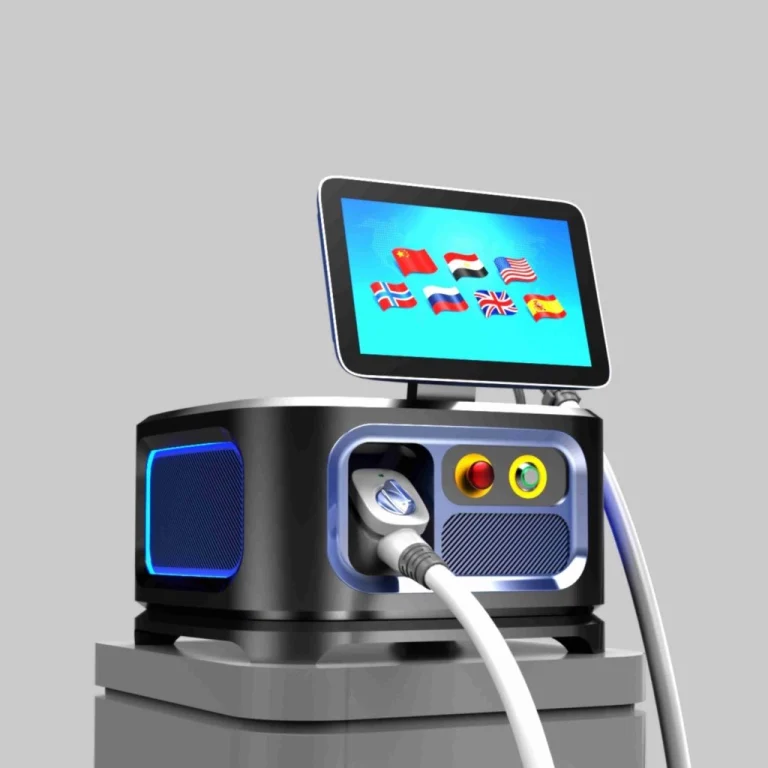
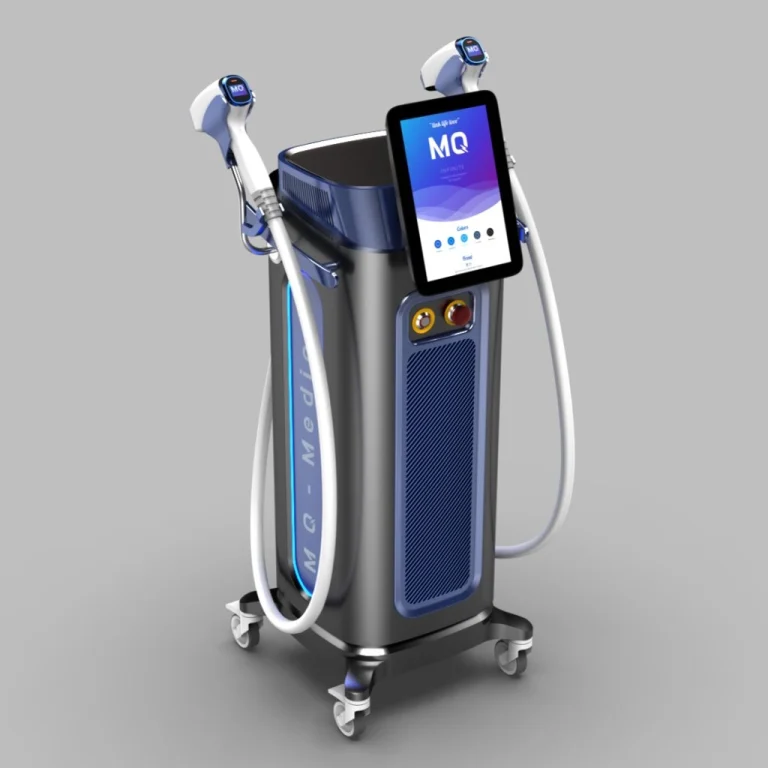
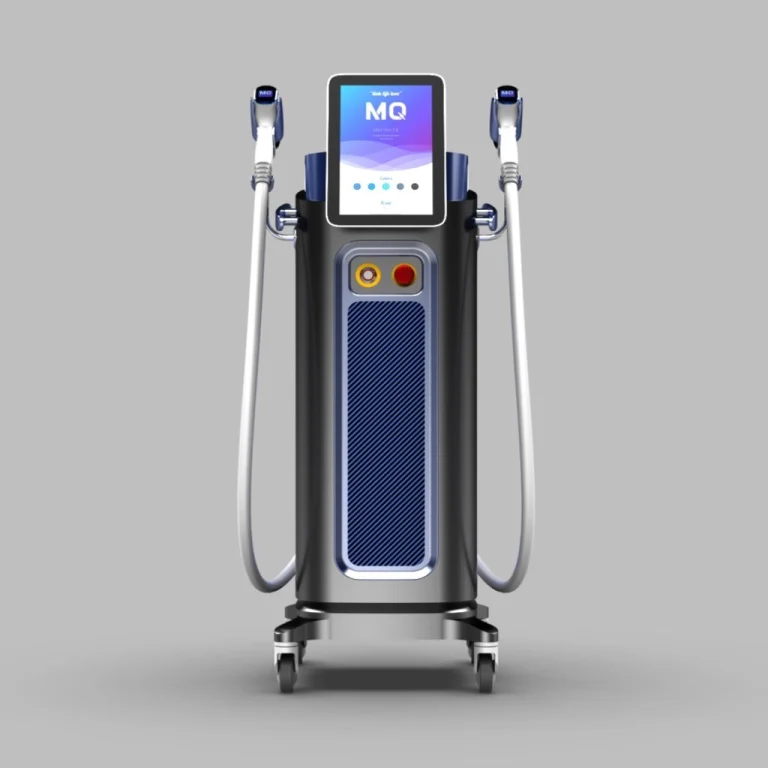
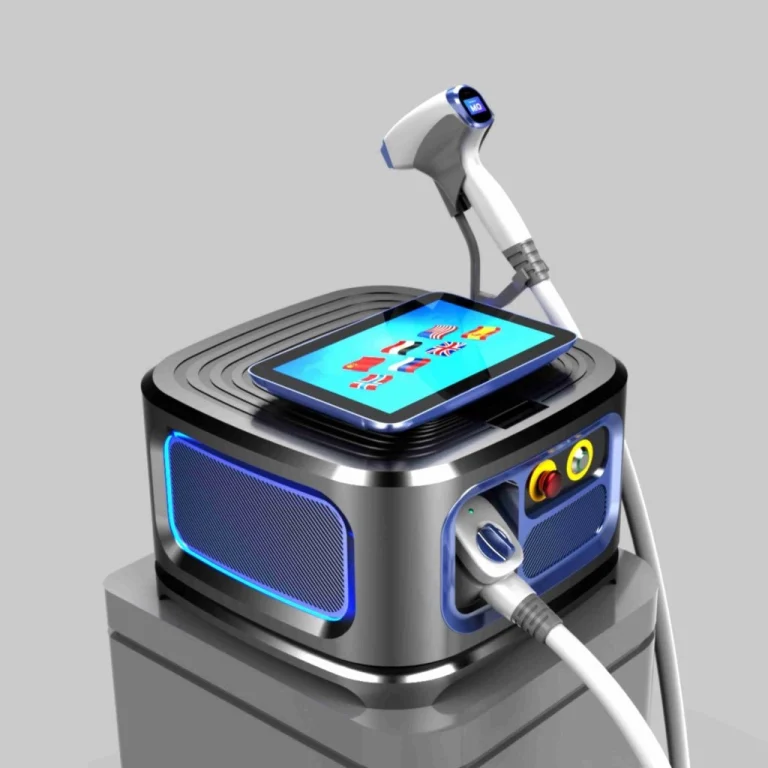
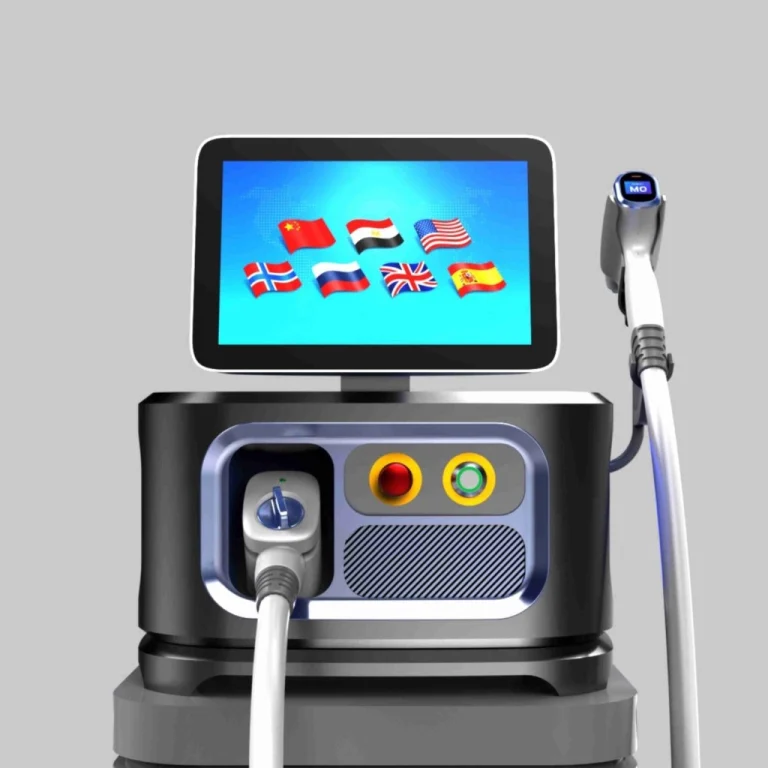
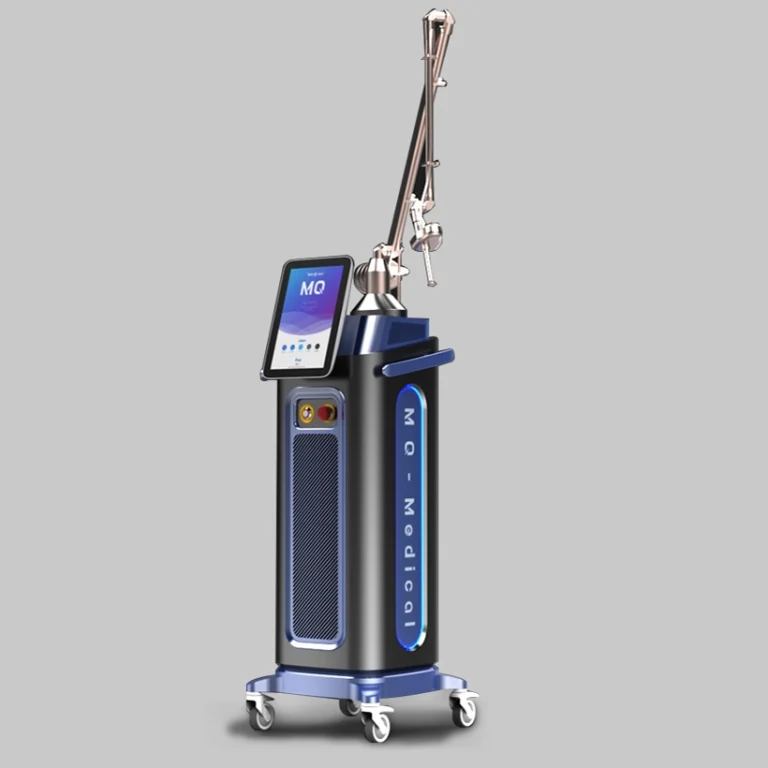
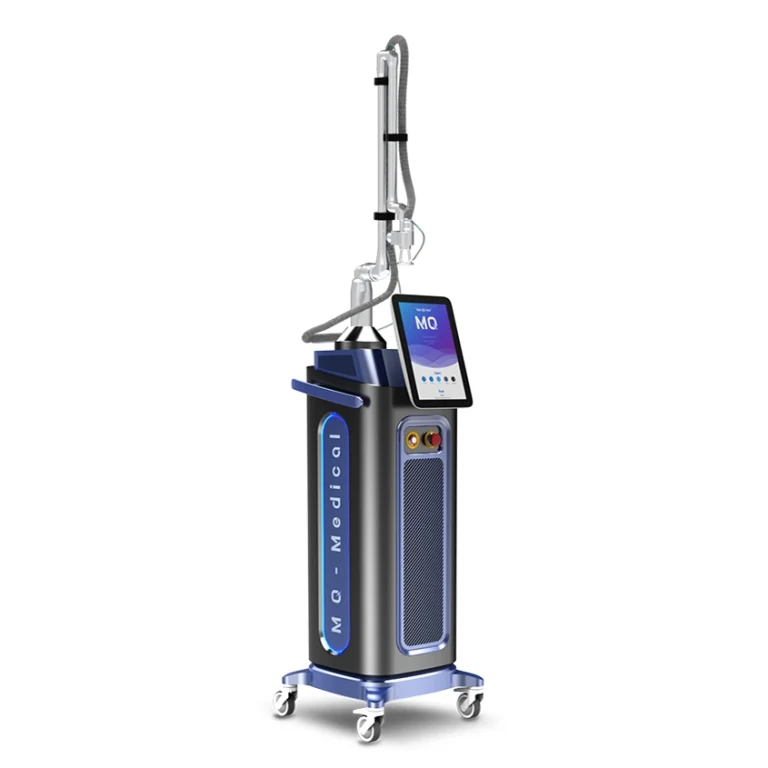
SUPLASER, created by MQLASER, goes by a whole other business plan. The company doesn’t focus on just one way of working. Rather, it acts as a build-your-own base made for sellers and brand builders.
On the tech end, SUPLASER draws on improved diode methods along with FAC (Fast Axis Collimation) tweaks, handling power peaks from 1000 W to as much as 2500 W. It supports various wavelength mixes—like 755, 808, 940, and 1064 nm—so it can meet a broad set of client wants.
A standout feature is the laser-in-handpiece build that’s common in Chinese carry-along units. Sure, this might make the handle a bit heavier, but it keeps optical power loss low and makes fixes easier. What’s more, SUPLASER gives other handle choices, like ones without light guides that weigh less than 300 grams, bringing strong output while easing strain on the user.
From a business angle, SUPLASER’s true power goes past the physical parts. The maker holds FDA, MDR, CE, and ISO 13485 approvals, helps with local approvals, and covers full support after sales, repairs, and promo tools. Every unit allows tweaks—from screen looks and outside style to key settings, handles, logos, and brand extras—which makes it super fitting for original equipment making and own-brand approaches.
Supporting this adaptability is a solid base in research and development, where a big chunk of yearly earnings goes back into fresh ideas to keep updating products and staying quick to market shifts.
The table below compares the data。
| Evaluation Dimension | Milesman Compact Blend | Deleo SUBLIM | Lumenis LightSheer Quattro | MQLASER SUPLASER |
| Customization Capability | Fixed configuration, no OEM support | Limited customization, design-oriented | No customization, closed system | Full customization supported: software UI, exterior design, technical parameters, handpieces, logo, and branding materials |
| Cost-Performance Ratio (ROI) | High price, premium positioning | High price, boutique market focus | Very high acquisition cost | Highly competitive pricing with configurable specs, optimized for distributor ROI |
| New Technology Co-Development | No joint R&D with partners | No co-development mechanism | Centralized R&D, no partner involvement | Open to OEM/ODM and joint R&D; dedicated engineering team with continuous product iteration |
| Market Flexibility | Best for small high-end studios | Suited for European boutique salons | Primarily large flagship locations | Adaptable to clinics, chains, distributors, and private-label brands across different regions |
Key Difference Analysis: Where the Real Gaps Appear
Technology Generation: VCSEL vs Traditional Diode vs Vacuum Assistance
Milesman’s VCSEL tech marks a more recent step in laser builds, aiming for even energy spread and small size. Lumenis gets its boosts through physical vacuum help instead of shrinking things down. Meanwhile, SUPLASER and Deleo stick to polished diode systems, fine-tuning either for easy changes or better handling.
Each path shows a unique outlook: making things tiny, boosting with mechanics, or building for scalable growth. These choices shape how well the devices fit into different business setups, and understanding them helps buyers pick wisely based on their specific goals and client bases.
Handpiece Weight Logic and Workflow Impact
Deleo’s light handle boosts comfort for the operator, but it packs the tough parts into the main unit. SUPLASER’s changeable handle setup puts efficiency and easy repairs first, giving sellers more choices when dealing with varied markets and user needs.
Coverage Across Customer Profiles
Milesman’s wavelength mix tries to handle just about everyone, while Deleo adjusts the wavelength pick for certain hair traits. SUPLASER strikes a middle ground, letting users set wavelength combos based on what the market calls for, which adds to its appeal in diverse settings.
Comparison Table of Core Parameters of Commercial Portable Laser Hair Removal Devices (2025-2026)

| Core Parameters | Milesman Compact Blend | Deleo SUBLIM | Lumenis LightSheer Quattro | SUPLASER |
| Country of Origin | Spain | France | USA / Israel | China (export-oriented) |
| Device Weight | 9 kg (world’s lightest) | Approx. 15–20 kg | Approx. 22 kg | Approx. 15–30 kg |
| Core Technology | VCSEL (surface-emitting laser) | Diode laser | Diode laser + vacuum assist | Diode laser + FAC technology |
| Wavelengths (nm) | 755 / 810 / 940 / 1064 (four-wavelength blend) | 785 / 1064 (optional) | 805 / 1060 | 755 / 808 / 1064 / 940 (four-wavelength blend) |
| Peak Power | 2000 W | Not specified (commercial-grade) | High power (optimized for deep hair) | 1000 W – 2500 W |
| Repetition Rate (Hz) | 1–8 Hz (single) / up to 10 Hz (sliding) | 1–8 Hz | Up to 3 Hz (precision-focused) | 1–10 Hz |
| Spot Size | 10 × 10 mm | 10 × 12 mm | Multiple options (including large spots) | Standard 12 × 20 mm, multiple options available (including large spots) |
| Cooling System | Sapphire contact cooling, down to –9°C | Air cooling + contact cooling | ChillTip™ patented cooling | TEC + sapphire contact cooling + air cooling + water cooling |
| Certification Level | FDA, CE Medical (MDR) | CE Medical (MDR) | FDA, CE Medical | FDA, CE MDR Medical |
| Market Positioning | Ultra-portable, full skin coverage, high-end studios | French design, ultra-light handpiece, European boutique salons | Industry benchmark, top-tier clinics, academic reputation | High cost-performance ratio, specification-driven, distributor-focused; ideal choice for maximizing distributor ROI |
Conclusion
No single handheld hair removal device claims the top spot—only the one that best matches a particular way of doing business. Milesman Compact Blend shines in its tiny size and cutting-edge laser build. Deleo SUBLIM puts grace and user ease at the forefront. Lumenis LightSheer Quattro brings top-level results with its worldwide name strength. SUPLASER draws attention through its adaptability, deep tweak options, and setup geared toward sellers. If you are interested in SUPLASER, please contact MQLASER!
For those buying on the business end, the smartest pick is the device that lines up not just with what it can do, but also with how it supports branding, expansion, and lasting ties with partners. In the end, these systems serve as more than tools; they become key pieces in building a thriving operation that stands out in a crowded field.
FAQ
Q1: Which system is most suitable for distributors planning OEM or private-label projects?
A1: Platforms that offer full customization, modular design, and certification support—such as SUPLASER—are generally better aligned with OEM and private-label strategies, as they allow for tailored solutions that fit specific market demands and branding needs.
Q2: Does lighter equipment always mean higher efficiency?
A2: Not necessarily, because while lighter builds improve movement and ease of use, true efficiency hinges on the laser setup, how energy gets delivered, and the cooling approach employed.
Q3: How should buyers balance brand reputation and cost efficiency?
A3: Well-known brands build strong trust in the market, whereas adaptable platforms give sharper control over costs and unique edges. Finding the right mix relies on how mature the target area is and the overall pricing plan in place.