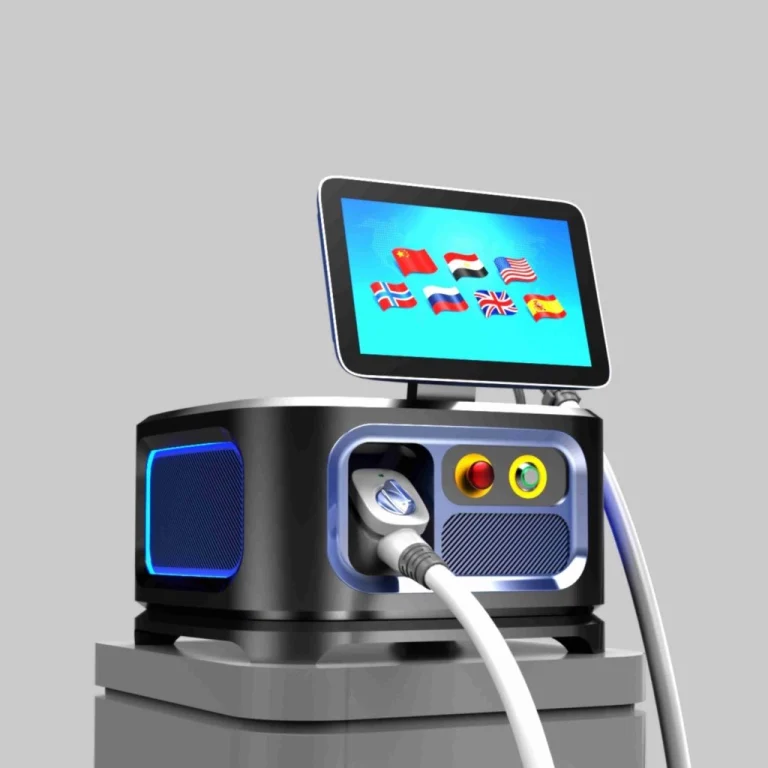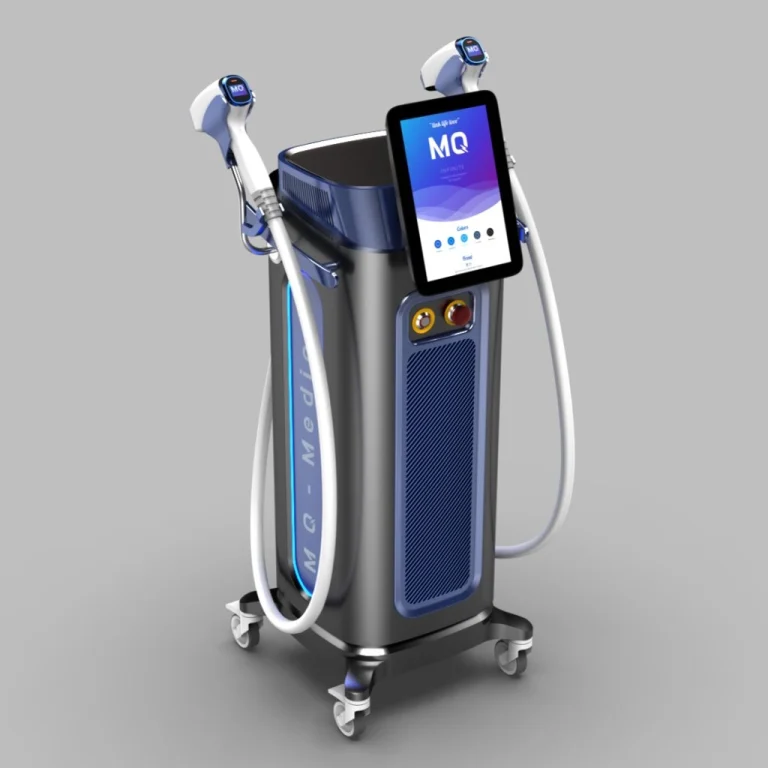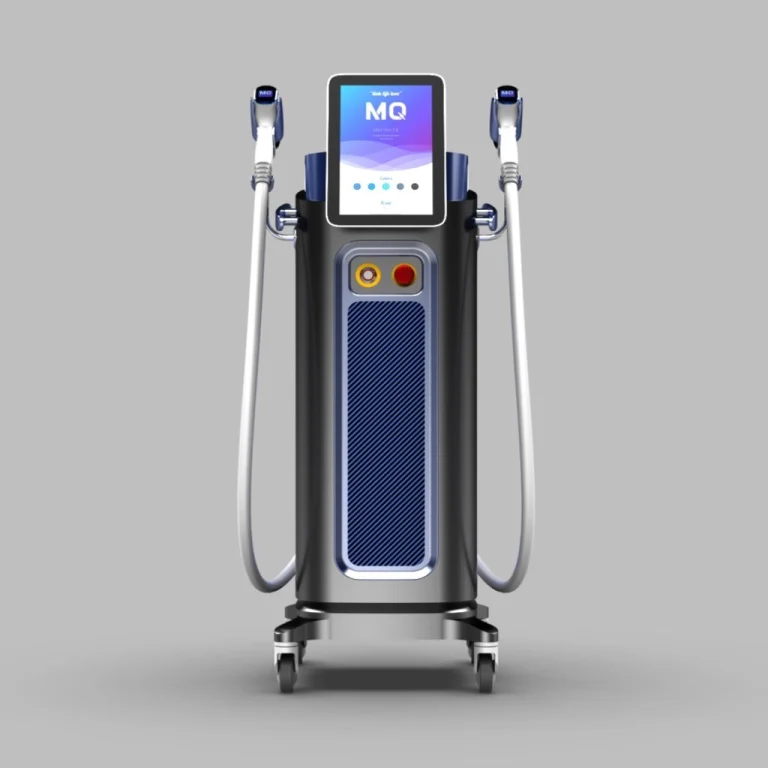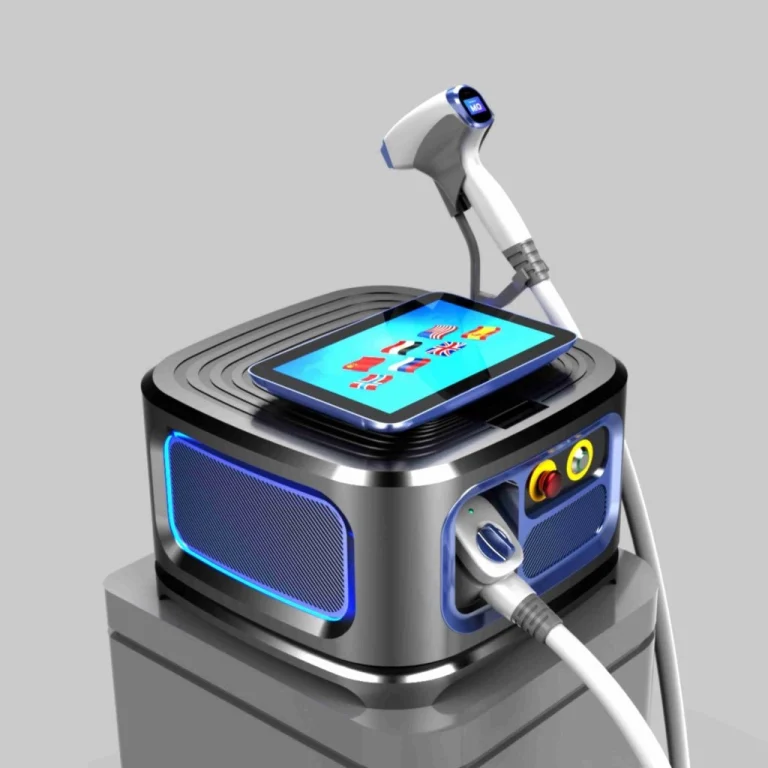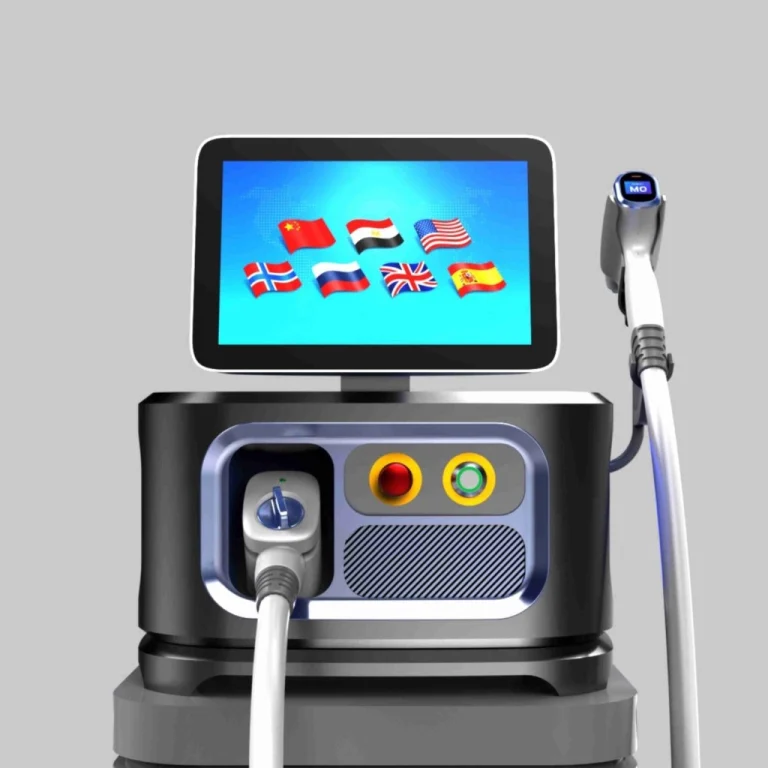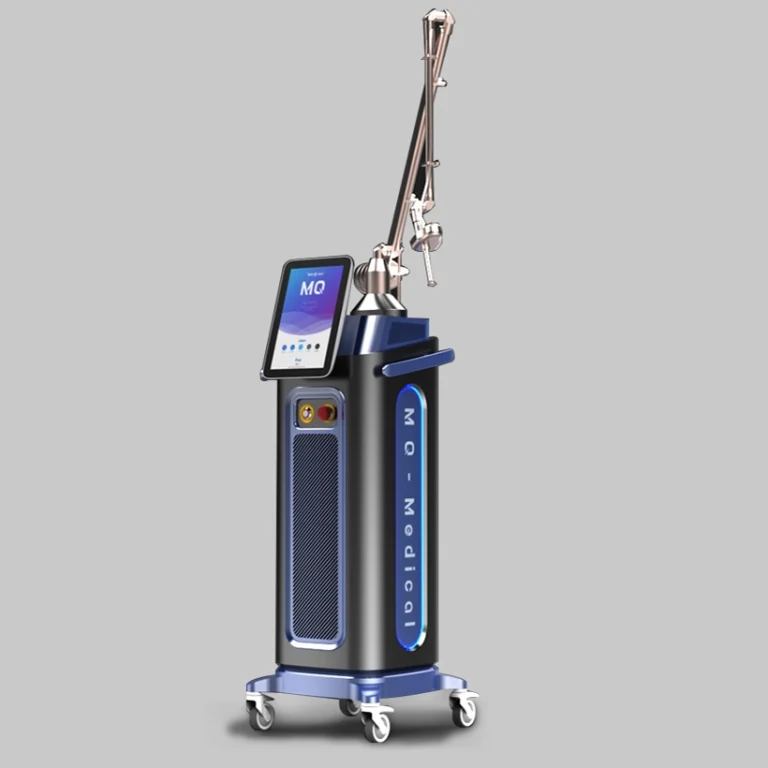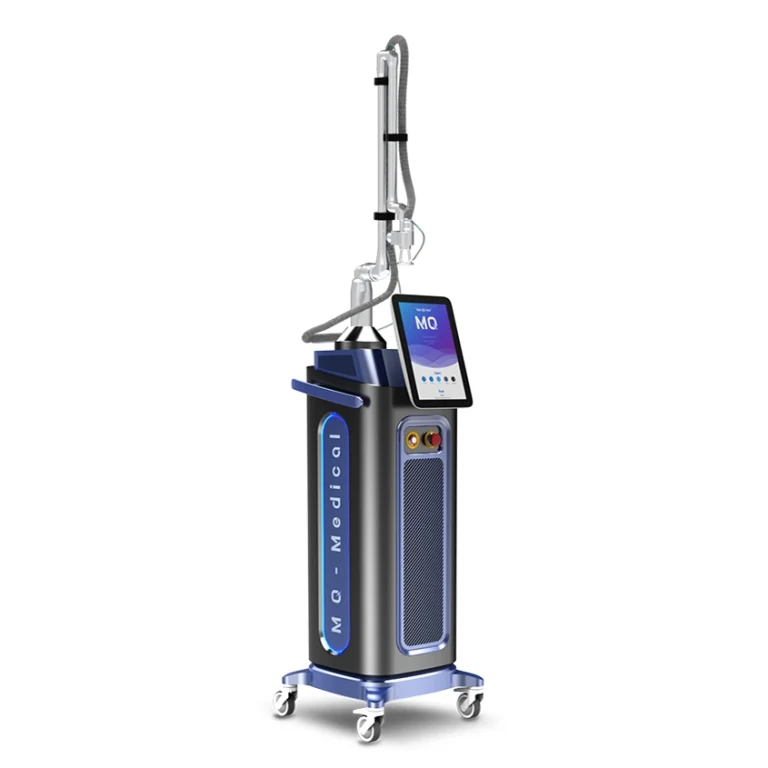
Selecting a beauty device can feel a bit like choosing a vehicle. One looks like a finely tuned European sports car—engineered for precision, admired for craftsmanship, and respected in professional circles. The other resembles a well-built commercial truck—less flashy, more configurable, designed to work long hours and generate steady returns.
When you compare TeslaCare and DEPMAX, you are not deciding which machine is “better” in isolation. You are deciding which machine fits your business model, cash-flow expectations, and expansion strategy. This article walks you through that decision logically, from a buyer’s point of view, using real parameters from the TeslaCare vs. DEPMAX comparison file and avoiding unnecessary technical jargon.
Two Devices, Two Design Philosophies
Before comparing specifications, it is essential to understand the design intent behind each system. TeslaCare was developed in Slovenia as a professional-grade functional magnetic stimulation system (FMS). Its architecture favors precision control, parameter range, and multi-scenario capability, originally targeting large rehabilitation-oriented institutions. This heritage explains its wide frequency range, dual-channel coil design, and emphasis on deep muscle activation logic.
DEPMAX, by contrast, was designed with a different priority: commercial deployment in the beauty and post-care market. Instead of pursuing the widest theoretical parameter range, it focuses on stable output, continuous operation, and business efficiency—the factors that matter when a device runs all day in a revenue-driven environment. This philosophical difference shapes everything that follows.
Core Performance Logic: What the Numbers Really Mean to You
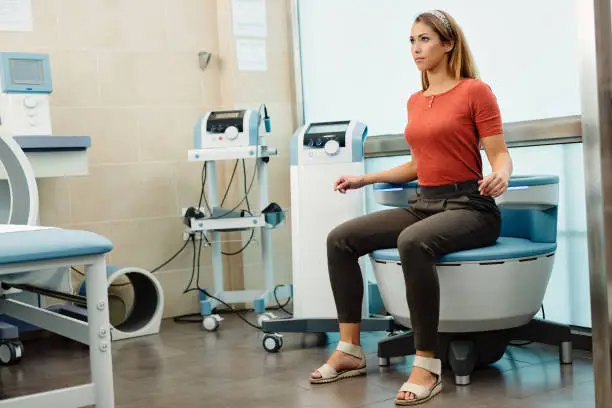
On paper, TeslaCare looks impressive—and in many ways, it is. It reaches a magnetic intensity of up to 3.0 Tesla, operates across a very wide pulse frequency range (1–160 Hz), and supports dual-channel coil control, allowing simultaneous work on different body zones or even two users at once. Its cooling system supports long sessions without interruption, and its internal presets reflect years of professional protocol accumulation. Its main functional modules include FMS (Functional Magnetic Stimulation): a technique that utilizes alternating magnetic fields to induce muscle contractions and neural depolarization, primarily employed for pelvic floor rehabilitation, muscle atrophy treatment, and sports injury recovery. Multisite therapy: Combined with a dedicated therapeutic chair (with built-in coil) or handheld coil, it can treat: Pelvic floor area: Urinary incontinence, chronic pelvic pain, sexual dysfunction. Spinal region: Acute and chronic low back pain, sciatica, and adjuvant therapy for scoliosis. Extremities: Arthritis, muscle strengthening.
However, here is the key question you should ask as a buyer: How much of that theoretical flexibility translates into daily commercial value? In real beauty-center operations, most service programs focus on pelvic area strengthening, posture support, and muscle activation routines. Within this scope, the experiential difference between a well-configured domestic system and a high-end imported system is far smaller than many expect. DEPMAX delivers comparable perceived strength, stable output over long operating hours, and dual-channel capability—without forcing you to pay for parameter ranges or software complexity you may never fully use.
Where the Business Equation Changes
Performance alone does not determine return on investment. Cost structure does. TeslaCare typically enters the market at a purchase level associated with large institutions. The initial investment is high, and the resale or redeployment flexibility is limited. This makes sense for organizations prioritizing research breadth or multi-disciplinary application—but it stretches the payback cycle for beauty-focused operators.
DEPMAX sits in a very different financial bracket. Its acquisition cost allows you to recover investment faster, deploy multiple units instead of one, and expand services without locking capital into a single room. If your goal is rapid revenue turnover and predictable utilization, this difference alone can outweigh pure technical elegance.
Customization and Control: Who Owns the Final Product?
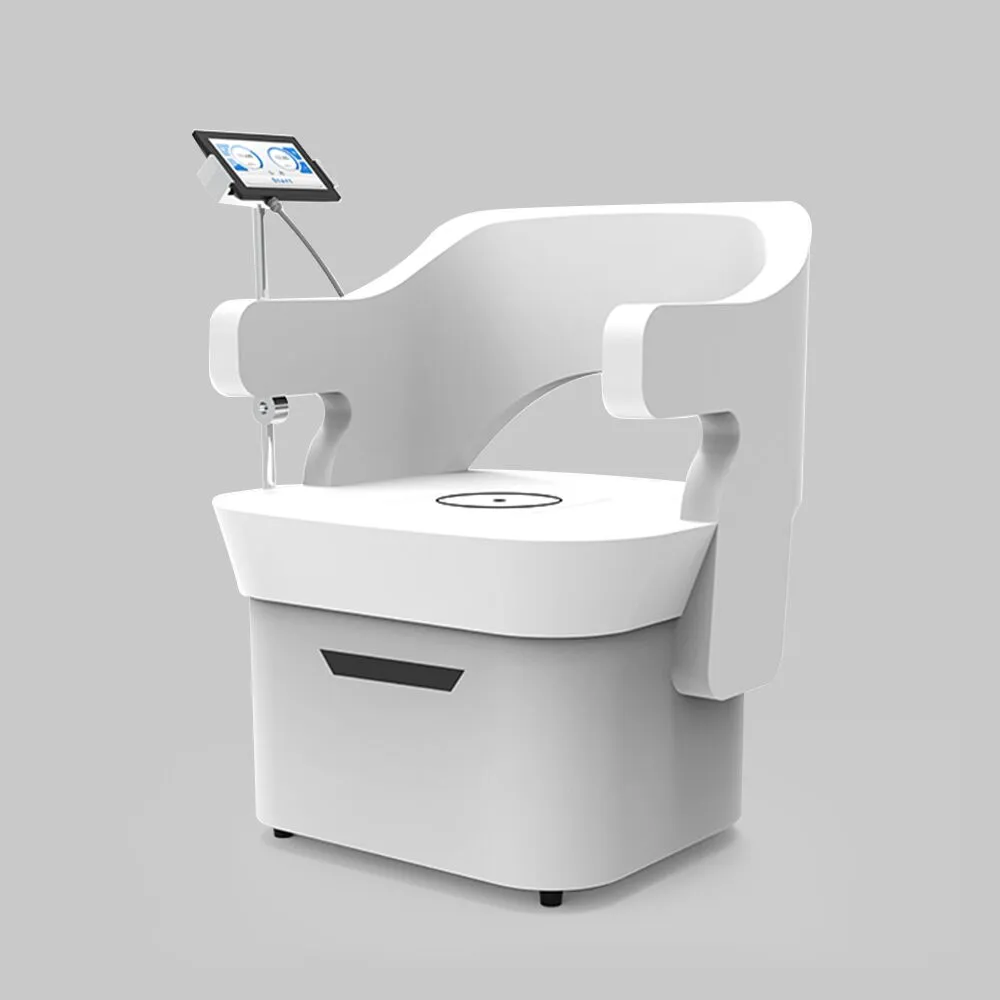
This is where many B-end buyers quietly change their minds. TeslaCare arrives as a finished product. Parameters, interface structure, appearance, and logic are largely fixed. You operate it as delivered, under the manufacturer’s framework.
DEPMAX, however, is built to be adapted. Within your cooperation scope, you can adjust interface logic and display language, output structure aligned with your service menu, exterior appearance and branding, and software presets aligned with your workflow. This difference matters if you are building a chain, a private label, or a differentiated service brand rather than a single location.
A Closer Look at the Manufacturer Behind DEPMAX
At this point, it is worth briefly addressing who stands behind DEPMAX—because flexibility does not exist without manufacturing depth. MQLASER operates exclusively within the beauty equipment industry and approaches product development as a long-term system rather than a one-off sale. The company maintains an experienced internal R&D team and consistently reinvests a significant portion of annual revenue into new product iteration, ensuring that platform efficiency evolves rather than stagnates. From a buyer’s perspective, this matters because it translates into OEM and ODM capability, not just assembly. Equipment is developed with future customization in mind, not retrofitted later.
In addition, products are manufactured in alignment with major international regulatory frameworks, and the factory actively supports partners in preparing documentation for regional approvals. After-sales service, maintenance support, and long-term spare-part availability are structured as part of the cooperation model rather than optional add-ons. This depth is what allows DEPMAX to remain flexible without sacrificing stability.
Side-by-Side Comparison: What Matters to Commercial Buyers
| Comparison Dimension | TeslaCare | DEPMAX |
|---|---|---|
| Customization | Fixed configuration | Highly customizable (software, appearance, parameters) |
| Cost Efficiency | High upfront investment | Strong price-to-performance ratio |
| Joint R&D Potential | Limited | Supports co-development and iteration |
| Market Flexibility | Best for institutional use | Adaptable to beauty centers and chains |
| Continuous Operation | Long sessions supported | Designed for all-day commercial use |
This table highlights a simple reality: DEPMAX optimizes for business adaptability, not academic completeness.
Product Introduction in Context
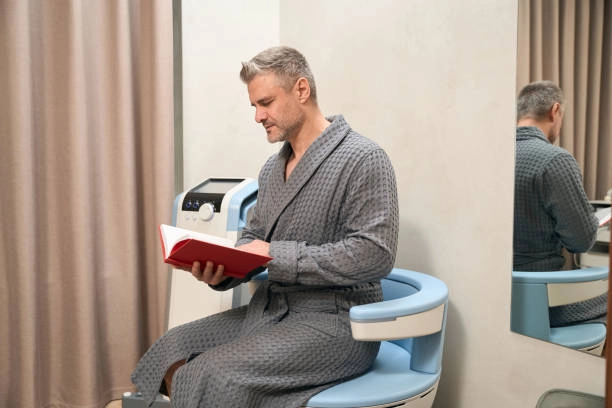
Within the DEPMAX platform, one commonly referenced configuration is the
DEPMAX Electromagnetic Chair System, which reflects the brand’s modular design approach and commercial orientation. The system integrates stable electromagnetic output, dual-channel logic, and a structure suitable for high-frequency daily use—without unnecessary complexity.
TeslaCare vs. DEPMAX Compare Sheets
| Comparison Dimension | TeslaCare (Slovenia) | DEPMAX (China, by MQLASER) |
|---|---|---|
| Technology Pathway | FMS (Functional Magnetic Stimulation), rehabilitation-oriented | HIFEM technology, beauty & post-care oriented |
| Magnetic Intensity | Up to 3.0 Tesla (verified output) | 3.0–4.0 Tesla (peak value) |
| Frequency Stability | Extremely high; stable output even at high frequency | No energy decay during continuous operation |
| Coil Channels | Dual-channel independent control (core advantage) | Dual-channel independent control |
| Cooling Capability | Patented air-cooling; supports 8–12 hours continuous operation | Air-cooling; supports 24-hour continuous operation |
| Preset Programs | 100+ structured rehabilitation programs (highly segmented) | Standard prescriptions for postpartum recovery and urinary incontinence |
| Device Durability | Industrial-grade imported capacitors; 8–10 years lifespan | Designed lifespan of 8–10 years |
| Purchase Price | USD 70,000–80,000 | USD 3,000–8,000 |
| Typical Use Scenarios | General hospitals, rehabilitation departments, high-end therapy centers | Post-care centers, maternal & child institutions, beauty clinics |
Which One Should You Choose?
If you operate a comprehensive institution that values the widest possible parameter spectrum and long-established professional presets, TeslaCare remains a respected option. But if your priorities include faster payback, easier deployment, brand differentiation, scalable expansion, and focus on postpartum recovery, then DEPMAX is often the more pragmatic financial decision.
Its advantages also include an excellent cost-performance ratio: in achieving the basic functions of “urinary incontinence treatment” and “postpartum pelvic floor muscle strengthening,” the tactile feedback between domestic and imported devices is virtually indistinguishable. After-sales service: Domestic manufacturers have repair centers in all provinces and cities, offering low-cost and fast spare parts replacement. Access convenience: Domestic equipment generally better meets the bidding requirements of public hospitals in China and aligns with the medical insurance fee schedule. The difference is not about which device is more “advanced.” It is about which device aligns with how you make money.
Conclusion
TeslaCare represents precision engineering shaped by a rehabilitation-oriented mindset. DEPMAX represents a commercially driven system shaped by beauty-market realities.
When your goal is efficient revenue generation, operational flexibility, and long-term brand control, DEPMAX aligns more naturally with those objectives. The most successful buyers are not those who chase the most complex specifications, but those who select equipment that works as hard as their business does.
FAQ
Q1: Will customers notice a difference between the two systems during sessions?
A1: In typical beauty-center service programs, perceived strength and comfort are very similar. Differences are more relevant at the technical configuration level than at the user experience level.
Q2: Which option offers better long-term cost control?
A2: DEPMAX generally offers lower acquisition cost, faster payback, and easier maintenance, making long-term cost control more predictable.
Q3: Is DEPMAX suitable for chain expansion or private labeling?
A3: Yes. Its customization capability and manufacturing flexibility make it well-suited for multi-location deployment and brand-specific positioning.