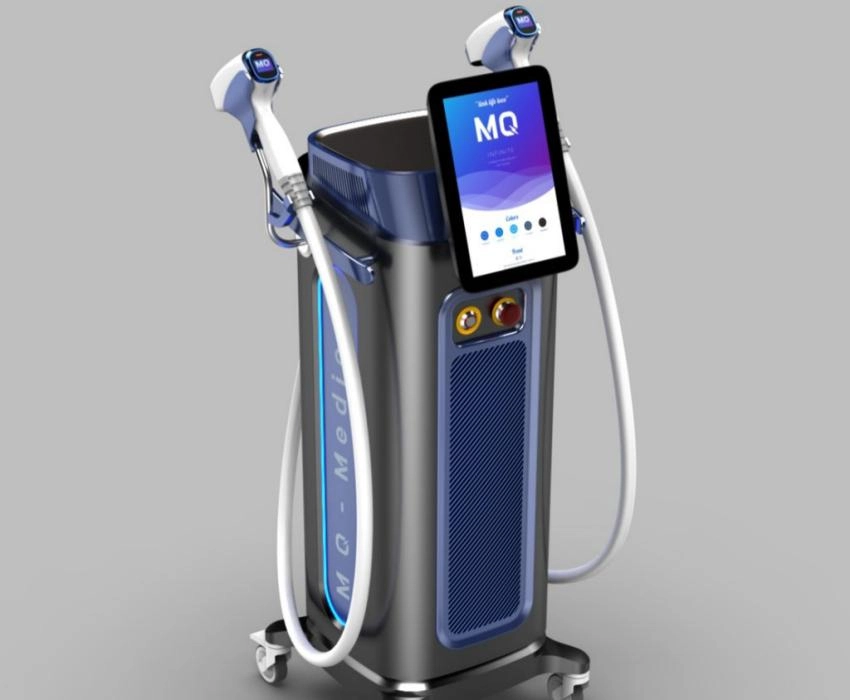
Most clinics do not buy a diode system because one wavelength sounds better on paper. They buy it because the machine has to work across real bookings: leg appointments in the afternoon, fine hair requests, darker skin tones, quick underarm sessions, and staff who need settings they can repeat without hesitation. That is why 755 nm vs 808 nm laser hair removal is a useful question but not a complete buying method. A buyer still has to ask what type of clients visit the business most often, how much daily volume the handpiece will carry, and whether the platform can grow with a distributor’s market instead of staying fixed around one narrow service profile.
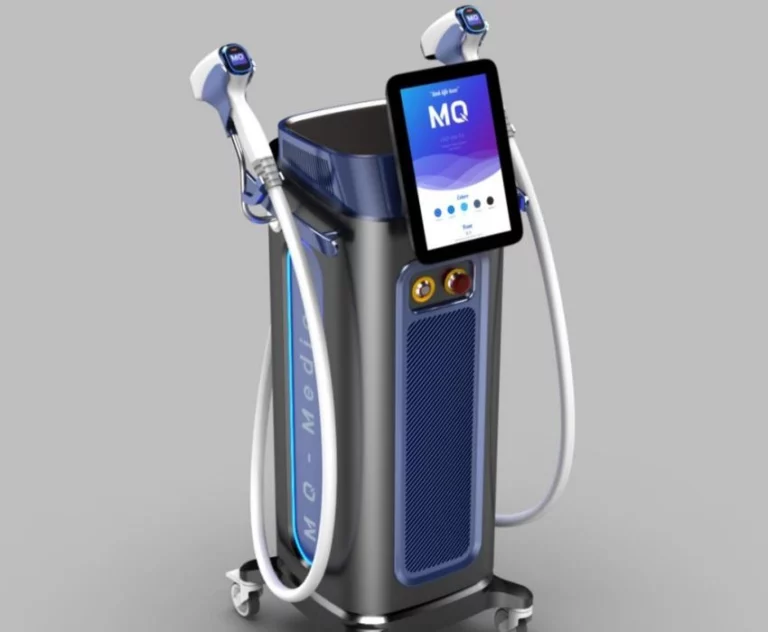
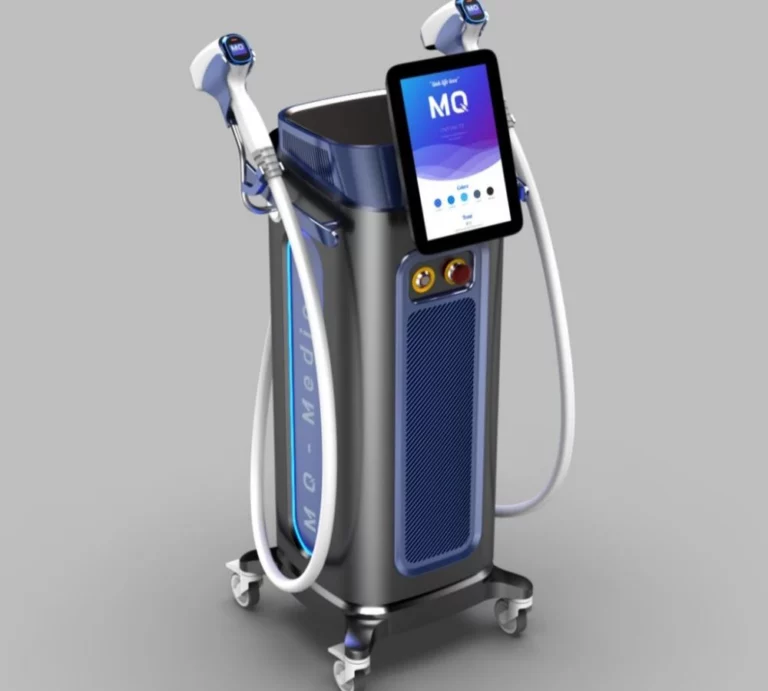
This is where SPLASER deserves a close look. It is built with 808 nm as the standard wavelength, yet it can be configured with 755 nm, 940 nm, and 1064 nm. For a clinic or channel buyer, that means the wavelength plan can be tied to local demand instead of being treated as a fixed specification.
Start With Skin Tone, Hair Type, and Service Volume
Start with the service counter, not the brochure. If many customers have fair skin and fine hair, stronger melanin absorption becomes valuable. If the business serves mixed skin tones all week, a more balanced wavelength may be easier for staff to use. If darker skin tones and coarse hair are common, deeper reach becomes more important.
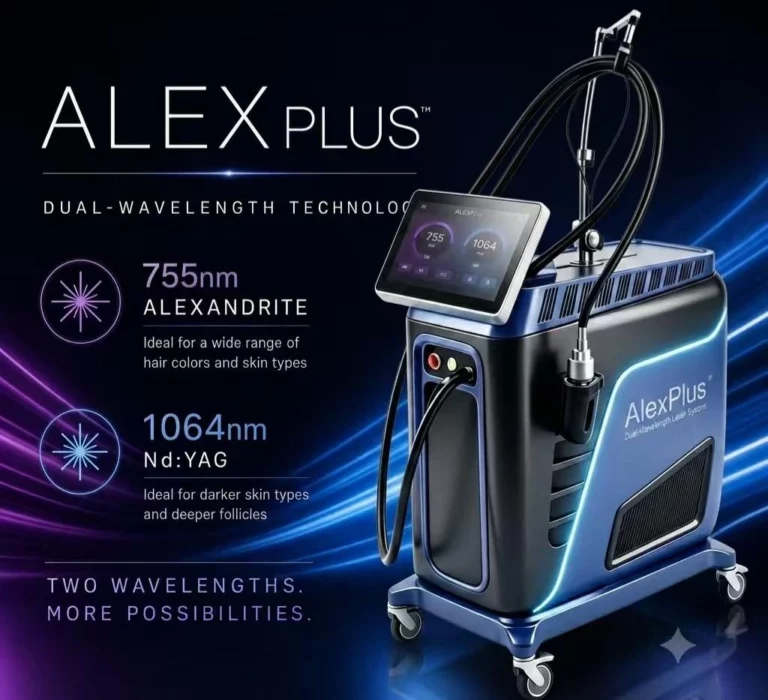
The 755 nm wavelength is known for stronger melanin absorption. It can help with lighter skin tones and finer hair, but it also asks more from cooling and parameter control. The 808 nm or 810 nm range sits closer to the middle. It has enough absorption for daily hair removal work and enough depth for broad body-area use, which is why many diode laser hair removal machine buyers treat it as the commercial base.
1064nm laser hair removal solves a different problem. It reaches deeper and is often chosen when the market includes darker skin tones or deep, coarse hair. Because melanin absorption is lower than 755 nm, the setup should be planned with energy, pulse, spot size, and cooling in mind. It is not a simple stronger-or-weaker choice.
Why 808 nm Still Works as the Commercial Center
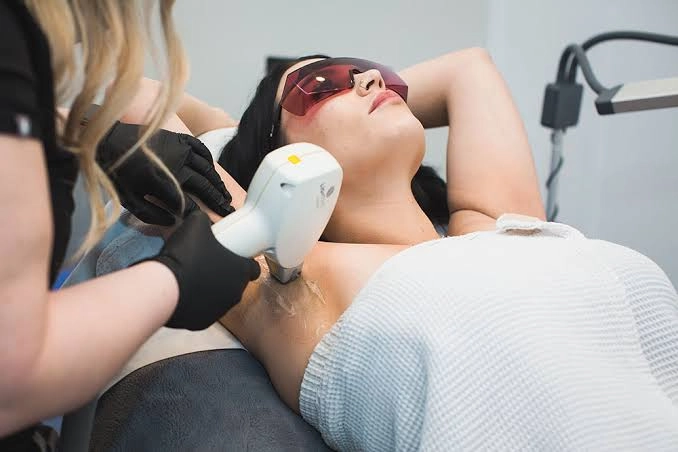
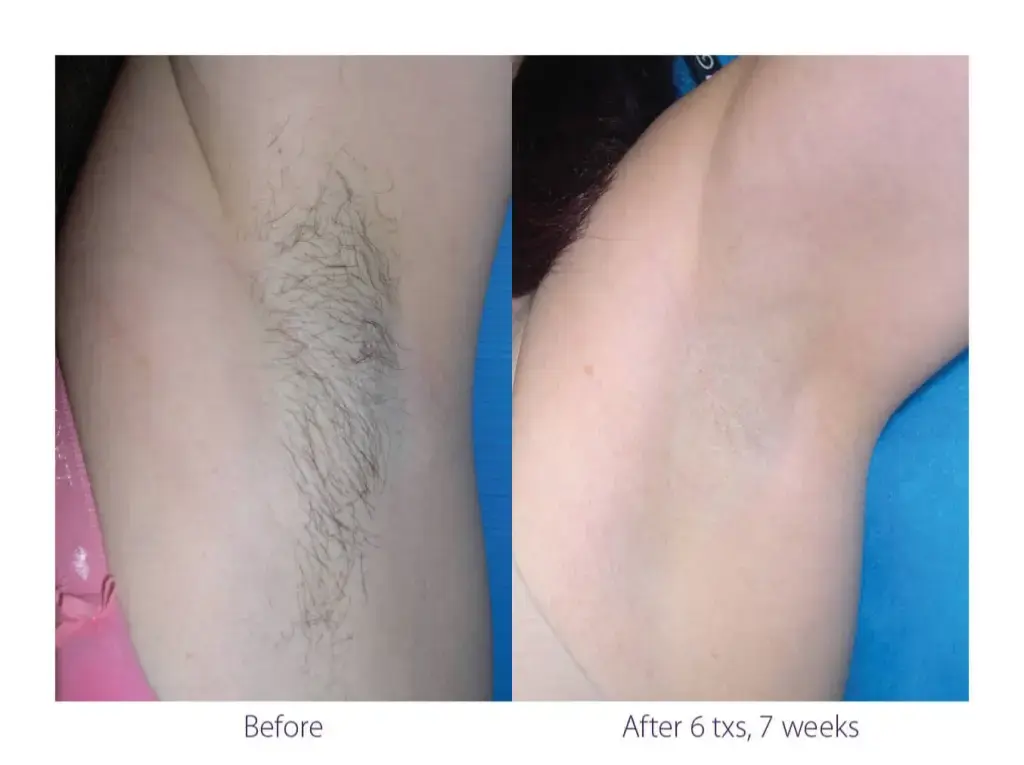
A clinic with steady daily traffic usually needs a reliable center point. For many markets, that center point is 808 nm. It is practical for underarms, arms, legs, facial areas, and other common bookings where the operator needs a repeatable setting range rather than constant platform switching.
SPLASER uses that 808 nm base and gives the buyer room around it. The system supports up to 2400 W peak power, up to 200 J/cm² fluence, and a minimum 0.4 ms pulse width. Those numbers matter when the same machine handles different hair densities and different body areas in one day. A buyer should not only ask whether the machine has the right wavelength. It also needs enough space to handle real work.
Spot size is another detail that affects profit more than many buyers expect. SPLASER lists 12×12 mm, 12×28 mm, 12×34 mm, 12×40 mm, and 4×4 mm options. Smaller spots help with narrow or curved areas. Larger spots can reduce time on legs, arms, and backs, especially when appointment speed matters.
Where 755 nm and 1064 nm Add Real Value
An 808 nm system can be enough when the client base is narrow and predictable. Many buyers, however, do not have that kind of market. A distributor may sell into several cities. A clinic chain may serve different customer groups by branch. Even a single beauty center can see demand shift between seasons.
A multi-wavelength diode laser gives more room for that reality. 755 nm helps when the buyer wants stronger targeting for lighter skin and finer hair. 1064 nm gives more planning space for darker skin tones and deeper hair roots. 940 nm adds another configuration option for buyers who want a broader platform. The value is not in using every wavelength every time. The value is in having a platform that does not feel too narrow after the first year.
Cooling, Power, and Wavelength Must Be Read Together
Wavelength choice also changes the cooling workload. A shorter wavelength with stronger melanin absorption can raise surface heat faster. Higher fluence on coarse hair adds more pressure. If cooling cannot recover well, staff may slow down the service, pause more often, or reduce settings sooner than planned.
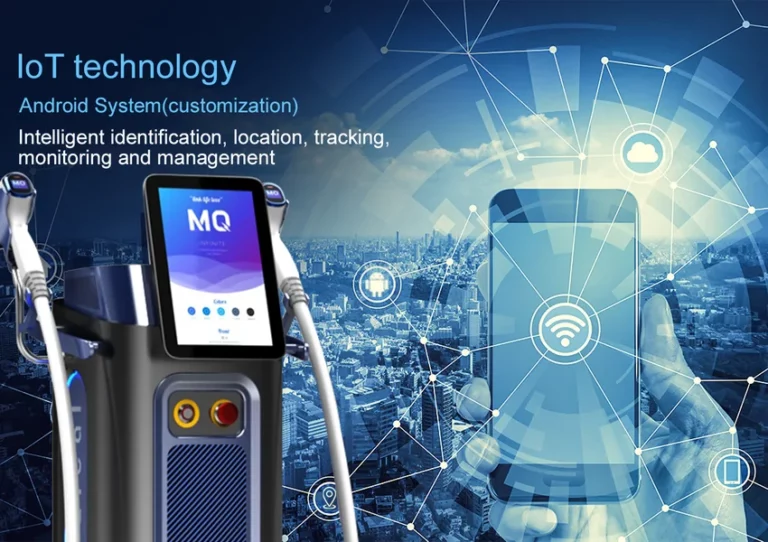
SPLASER includes real-time cooling monitoring and IoT remote access. In a short showroom demo, a cold tip may look convincing. In daily operation, the better question is whether the handpiece keeps its rhythm during repeated shots and larger-area bookings. Cooling, pulse width, power, wavelength, and spot size have to work as a group.
That is why the best laser wavelength for hair removal should be discussed as a configuration decision. Up to 2400 W peak power and up to 200 J/cm² fluence give SPLASER useful headroom, but the buyer still needs to match that output with the right wavelength mix and cooling plan.
How to Choose the Right SPLASER Configuration
A simple rule helps. Choose 755 nm when lighter skin and fine hair are important in your market. Keep 808 nm as the main commercial base when the service menu is broad and staff need a practical everyday wavelength. Add 1064 nm when darker skin tones or deep, coarse hair is common enough to shape the purchase.
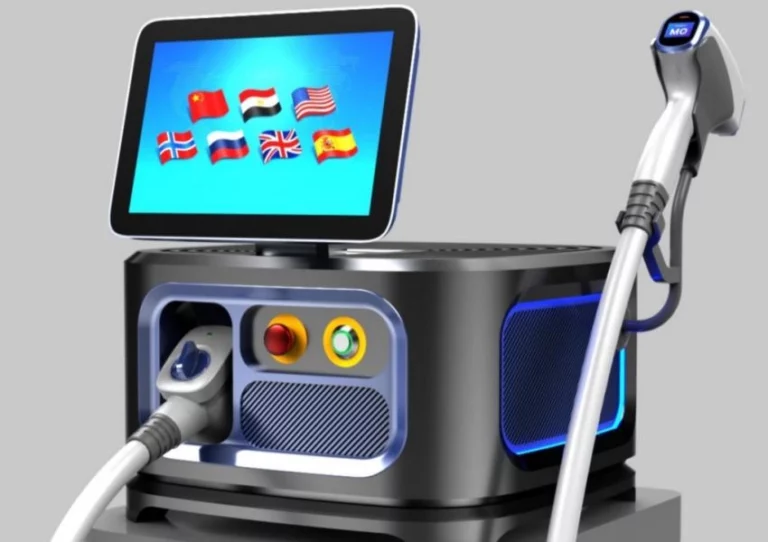
Then judge the supplier, because a wavelength list does not support a business by itself. A single beauty center may care most about staff training and stable appointment times. A distributor may need interface language, casing details, packaging, spare parts, and repeatable bulk configuration. MQLASER supports OEM/ODM projects, so SPLASER can be discussed around a market plan rather than only a standard machine list.
MQLASER also has an experienced R&D team and invests 15% of annual turnover into new product development. CE, ISO, and RoHS certification support is relevant for buyers preparing import documents, distributor files, and sales training materials. These details sit in the second half of the purchase decision, but they often decide whether the device can be sold steadily after the first sample order.
Before confirming a diode laser hair removal machine, compare the broader diode laser hair removal machine category and ask for the SPLASER configuration in writing. Wavelengths, spot sizes, power range, cooling support, warranty, spare parts, and training materials should be clear before the order moves forward.
For buyers serving more than one customer group, the right answer is usually not a single wavelength. It is a device plan. SPLASER fits businesses that want 808 nm as the working base, with 755 nm, 940 nm, and 1064 nm available when the market needs more coverage. For sample planning, private-label details, or distributor cooperation, contact the MQLASER team with your target market and preferred handpiece setup. For more detail, see our guide on this article.
FAQ
Q1: Is 808 nm enough for most laser hair removal services?
A1: For many clinics, yes. The 808 nm range balances melanin absorption and penetration depth, making it suitable for a broad mix of common hair and skin profiles.
Q2: When should a clinic consider 1064 nm?
A2: 1064 nm is useful when darker skin tones or deeper, coarse hair is common. It penetrates deeper but needs careful energy and cooling control.
Q3: Can SPLASER be customized for different markets?
A3: Yes. SPLASER supports customized wavelength choices, spot sizes, and OEM/ODM needs, which helps distributors and clinic groups match local service demand.