A three-wavelength vs four-wavelength diode laser decision usually looks simple at first: three wavelengths can cover common hair removal work, while four wavelengths promise a wider range. For a clinic owner, distributor, or chain buyer, the real question is more practical. Will the extra wavelength help your customer mix, or will stronger power, spot-size choice, cooling control, and customization matter more?
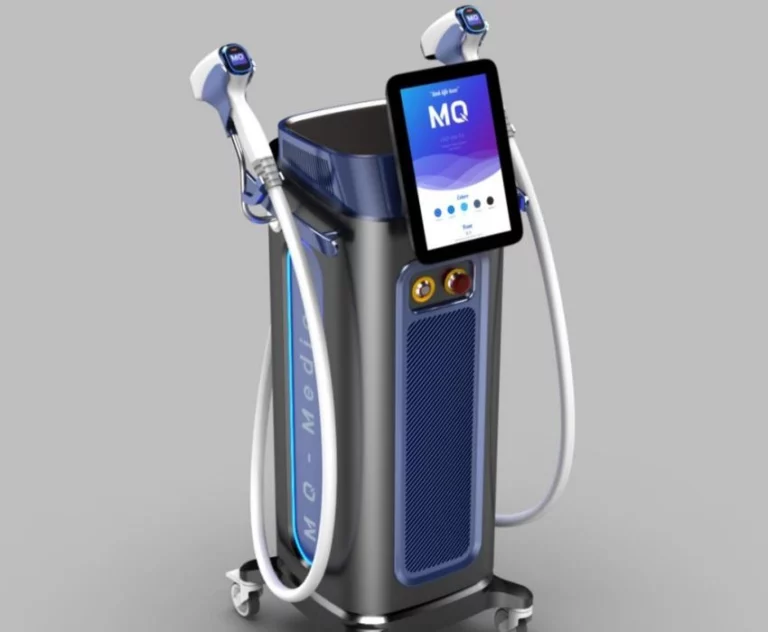
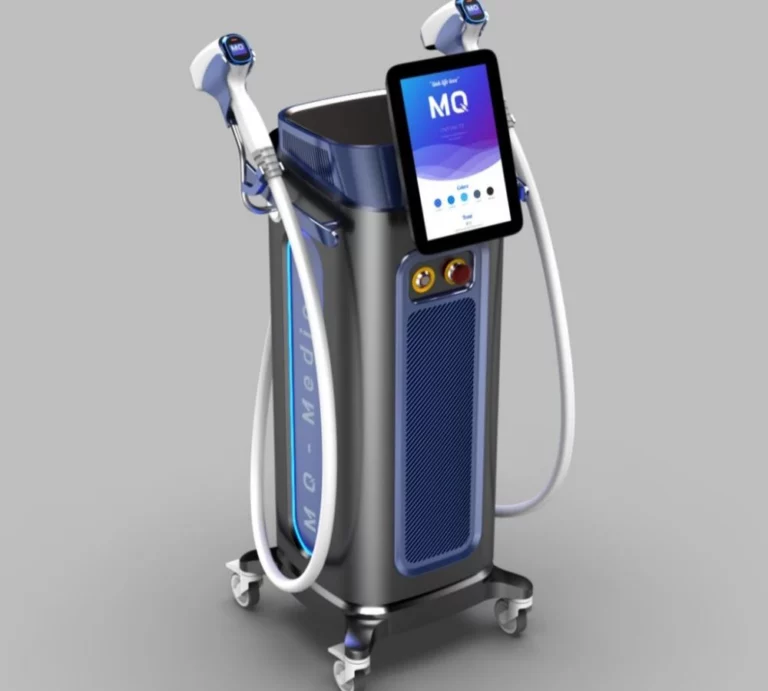
Alma Lasers Soprano Titanium is often discussed as a three-wavelength reference. SPLASER takes a different route by using 808 nm as the standard base while allowing 755 nm, 940 nm, and 1064 nm customization. That gives buyers a four-wavelength laser hair removal machine option when their market needs more than a basic configuration.
Why Wavelength Count Is Only One Part of the Decision
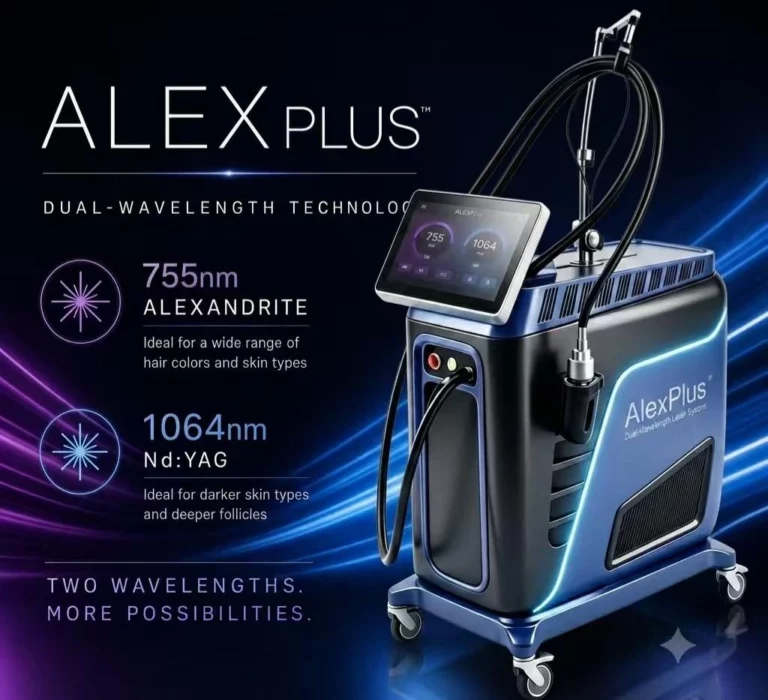
755 nm has strong melanin absorption and can be useful for lighter skin and finer hair. The 800-810 nm diode range offers a balanced mix of depth and absorption for broad daily use. 1064 nm penetrates deeper and is better suited to darker skin tones or deeper hair roots. A fourth 940 nm option can add another layer of configuration for buyers who want a wider diode platform.
Still, wavelength count alone does not decide machine value. A multi-wavelength diode laser also has to deliver stable energy, suitable spot sizes, contact cooling, easy operation, and a supplier who can keep configuration consistent across samples and bulk orders. Without that, the extra wavelength becomes a label rather than a real service advantage.
| Factor | Alma Lasers Soprano Titanium | MQLASER SPLASER |
| Wavelength coverage | Typically built around 755/810/1064 nm coverage for common skin and hair profiles. | Standard 808 nm with optional 755/940/1064 nm customization for broader market planning. |
| Power and fluence | Depends on model and configuration; buyers need to confirm output under continuous salon use. | Up to 2400 W peak power and up to 200 J/cm² fluence support wider parameter planning. |
| Spot-size choice | May fit general body areas, but configuration must be checked before purchase. | 12×12 mm, 12×28 mm, 12×34 mm, 12×40 mm, and 4×4 mm options support small and large areas. |
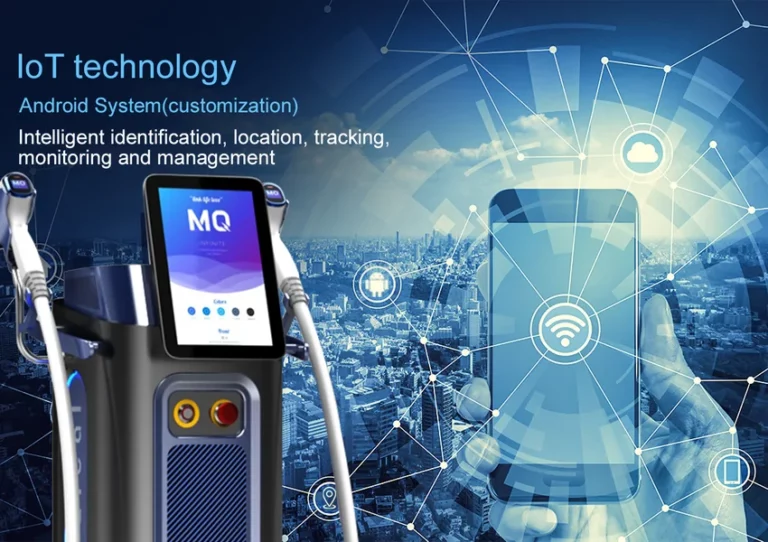
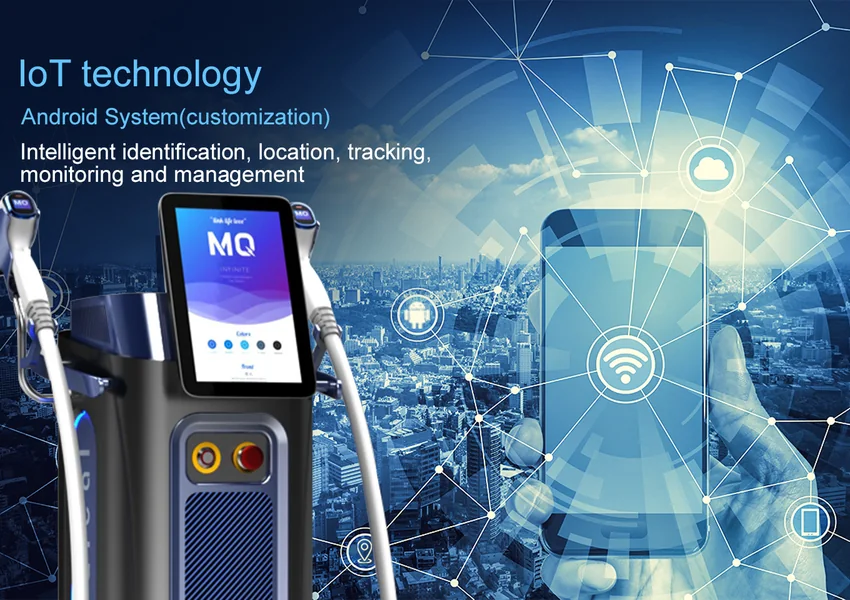
| Cooling control | Cooling performance varies by device generation and handpiece condition. | Real-time cooling monitoring and IoT remote access help maintain service stability. |
| Best fit | Clinics that want a familiar multi-wavelength structure with limited customization needs. | Clinics, distributors, and OEM projects that need stronger configuration flexibility. |
How SPLASER Positions the Fourth Wavelength
A four-wavelength laser hair removal machine should not be presented as automatically better for every clinic. Its value depends on the customer base. If your market is narrow and mostly serves similar skin tones and hair types, a three-wavelength setup may be enough. If your market includes fair skin, medium tones, darker tones, fine hair, coarse hair, and different body areas, more configuration room can reduce the need for separate machines.
SPLASER uses 808 nm as the practical center. That is important because the 808/810 nm range is widely used for balanced diode laser hair removal. The optional 755 nm, 940 nm, and 1064 nm choices then allow a distributor or clinic group to build a model that fits local demand. This is also useful when the same machine must support several sales channels, from single-site beauty centers to regional distributors.

Performance Comparison for Daily Operation
Performance is where buyers should slow down. Strong marketing claims do not help if operators have to lower energy during long working blocks or if the handpiece is not suited to the body areas most often booked. SPLASER lists practical details that matter in daily use: four spot-size options, a 0.4 ms minimum pulse width, up to 200 J/cm² fluence, and real-time cooling monitoring.
These details support a more serious comparison than wavelength count. The question is not just whether the machine has three or four wavelengths. It is whether the platform can keep speed, comfort, and output repeatable when service volume rises. For a distributor, repeatability also affects returns, training pressure, and spare parts planning.
Sample testing should also reflect the way the machine will be sold. If your channel focuses on compact studios, check operation time, tip change, and interface clarity. If the plan is to sell into larger beauty centers, test larger spot sizes and repeated work on legs, arms, and back areas. A demo that only covers a small patch does not show enough about daily productivity.
SPLASER gives buyers more room here because the wavelength configuration can be matched with spot-size selection. A small spot supports narrow and curved areas. A larger spot helps reduce appointment time on bigger body areas. When the same platform can support both, the buyer has more ways to position the machine without changing the core device family.
Customization, Value, and Supplier Cooperation
For B2B buyers, the supplier relationship can carry as much weight as the device itself. MQLASER is supported by an experienced R&D team, OEM/ODM capability, and annual new product investment equal to 15% of turnover. Products with CE, ISO, and RoHS certification support also make import review and distributor documentation easier to prepare.
This matters after the first order. Distributors often need consistent packaging, stable accessory lists, repeatable software settings, and fast answers when a local sales team receives technical questions. A machine with a familiar wavelength story may open the door, but the quality decides whether the product can be sold steadily across several regions.
| B2B factor | Alma Lasers Soprano Titanium | MQLASER SPLASER advantage |
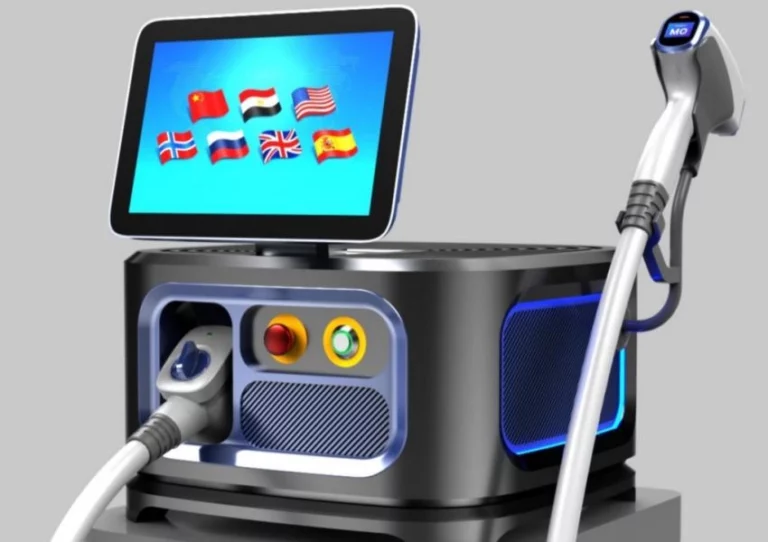
| Customization | Often works well for standard clinic demand, but private-label or market-specific requests may need extra confirmation. | OEM/ODM support helps adapt interface, appearance, wavelength configuration, and sales materials. |
| Cost-performance | Value depends on local pricing, warranty, and available service support. | High peak power, multiple spot sizes, and configurable wavelength options help buyers avoid paying for a narrow setup. |
| New technology cooperation | Usually focused on fixed platform upgrades from the original supplier. | R&D investment and project support give distributors room to discuss future configuration changes. |
| Market flexibility | Suitable when the target customer group is already clear and stable. | Better suited to mixed markets where skin tone, hair type, and service positioning differ by region. |
Which Option Fits Your Business Model
If you run a single clinic with a predictable customer profile, Alma Lasers Soprano Titanium may already cover many bookings. If you are a distributor, chain buyer, or OEM diode laser hair removal machine buyer, SPLASER becomes more attractive because it can be shaped around different regional needs.
Another useful check is staff training. A broader configuration should still be easy to teach. Operators need clear wavelength logic, simple presets, and guidance on when to choose a larger or smaller spot. If training becomes too complex, the machine may be used like a basic model despite its wider specification.
Check the diode laser hair removal machine lineup before confirming the model. Compare not only wavelength count but also spot-size availability, cooling design, spare parts, certification support, training materials, and whether the sample configuration can be repeated in bulk production.
A serious Soprano Titanium vs SPLASER review should end with one basic point: three wavelengths may be enough for a defined service model, while SPLASER is better suited when you want a multi-wavelength diode laser platform with broader customization space. For samples, distributor terms, or private-label planning, discuss SPLASER configuration with the sales team before locking the purchase plan. Continue reading our another guide.
FAQ
Q1: Is four-wavelength coverage always better than three wavelengths?
A1: Not always. Four wavelengths help mixed markets, but a focused clinic may do well with fewer options if power, cooling, and training are strong.
Q2: Why does SPLASER keep 808 nm as the base wavelength?
A2: The 808/810 nm range balances melanin absorption and penetration depth, so it works as a practical center for many daily hair removal services.
Q3: Can MQLASER support private-label or distributor projects?
A3: Yes. MQLASER supports OEM/ODM cooperation, configuration discussion, certification documentation, and project support for distributor or clinic-chain buyers.