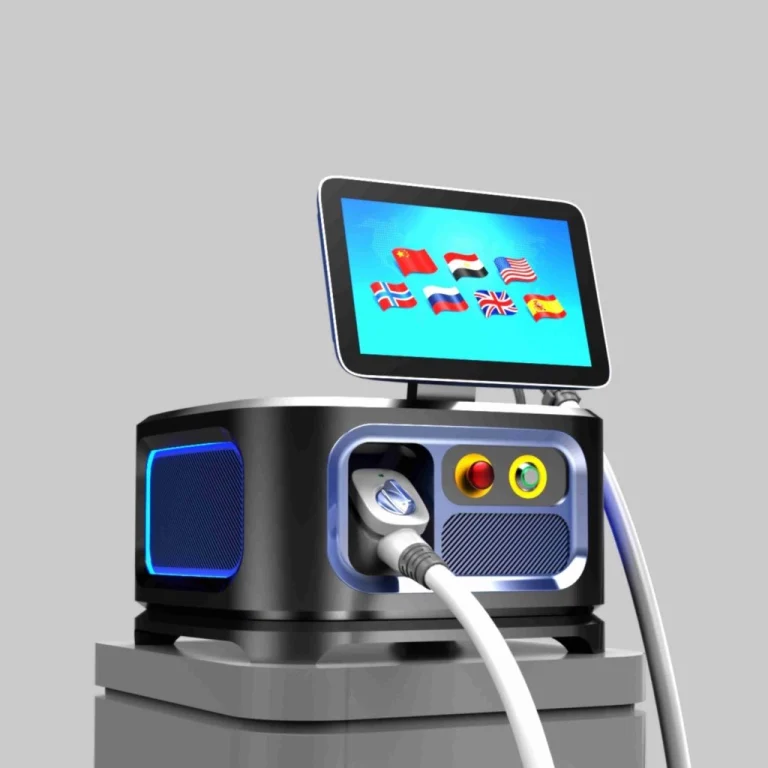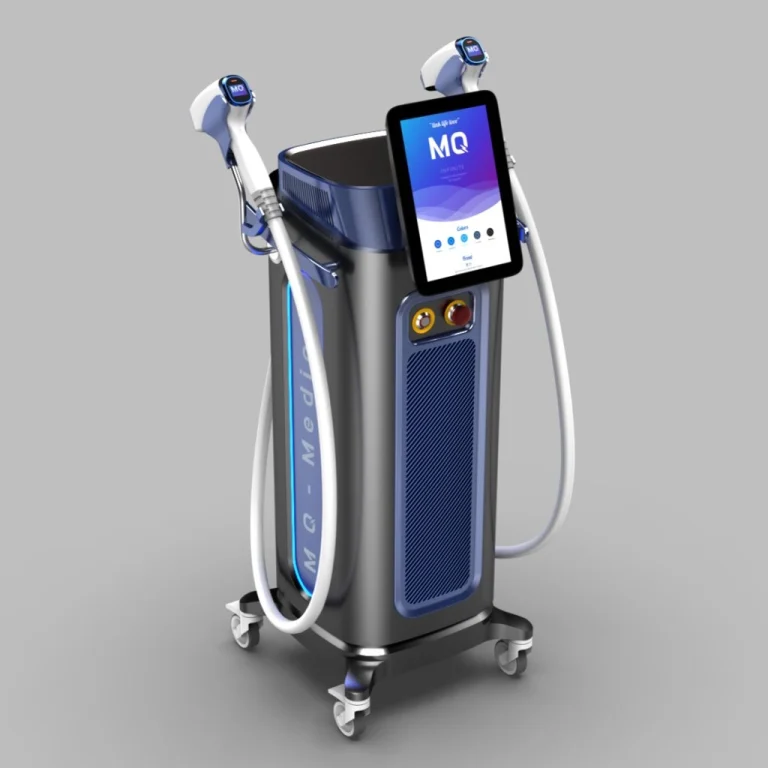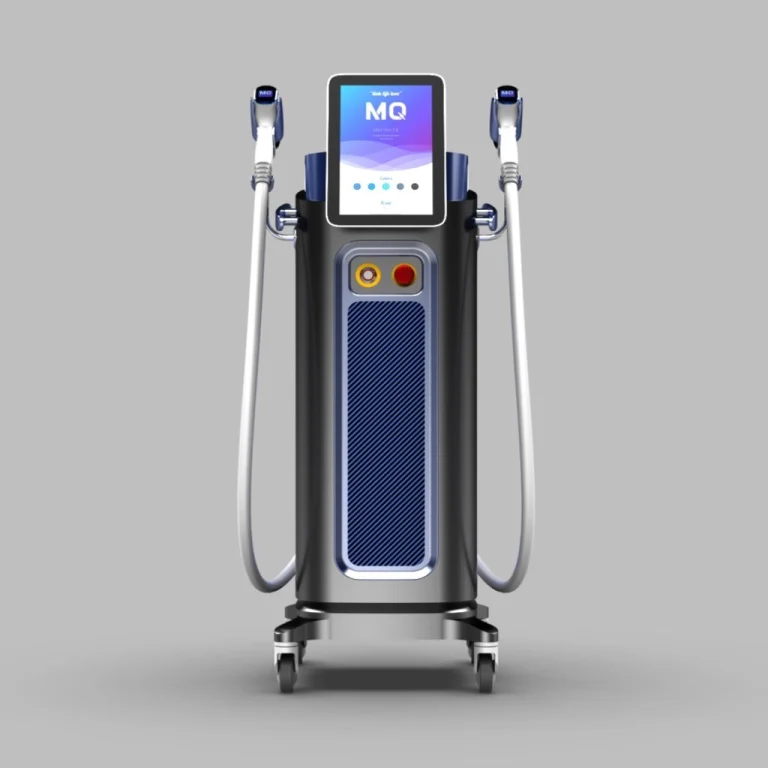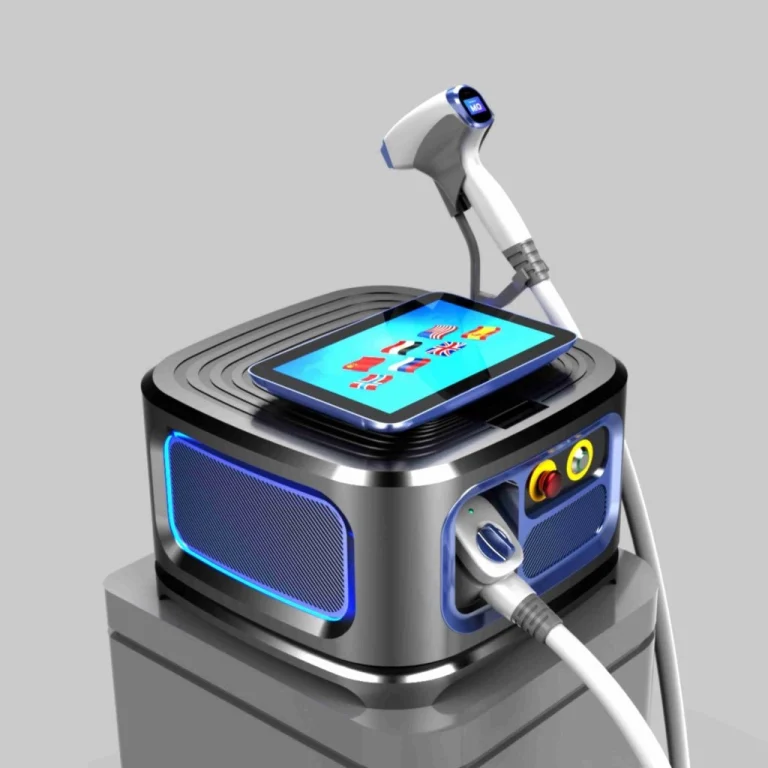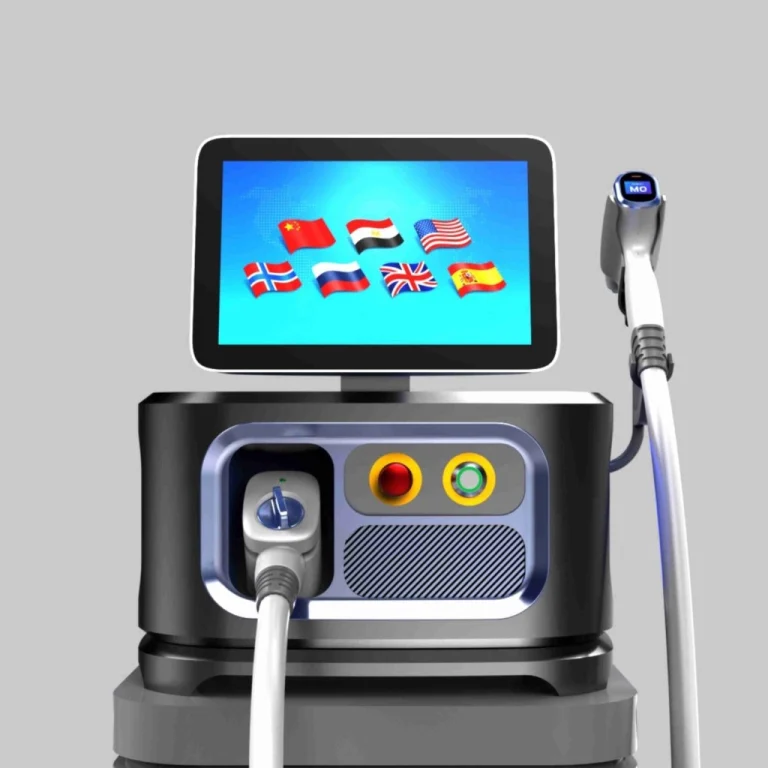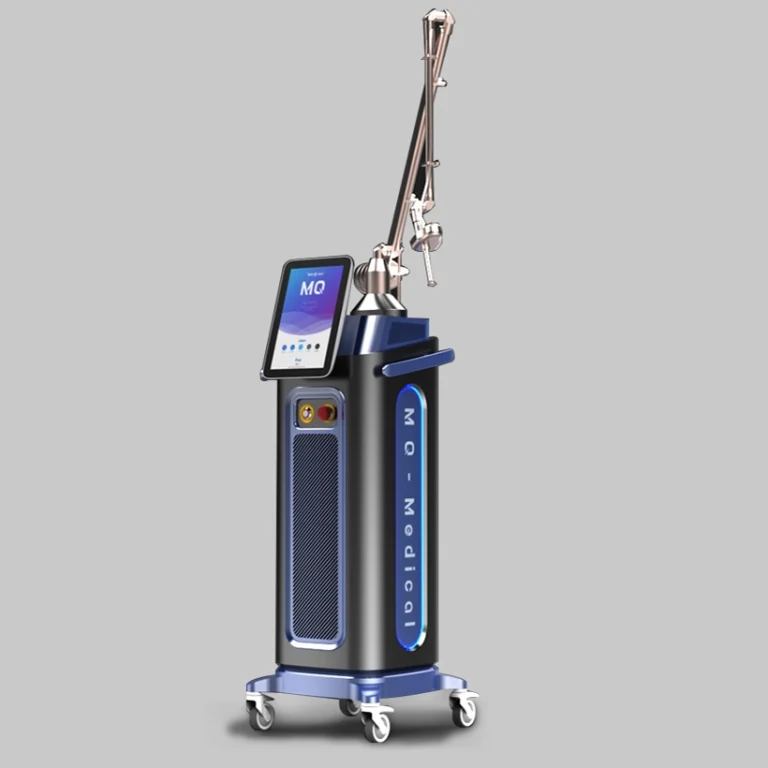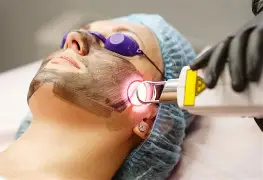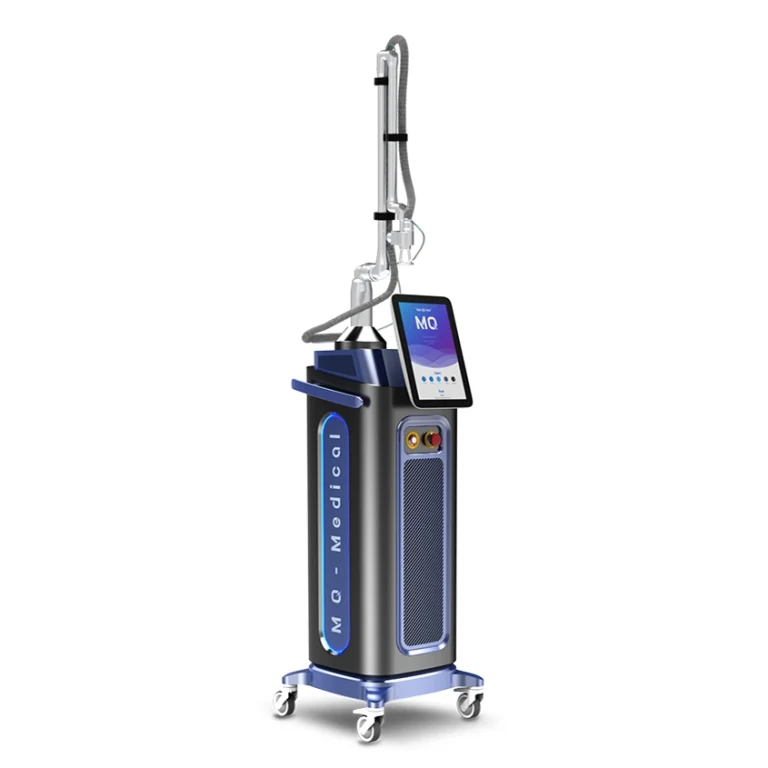
Four-band laser hair removal equipment is an advanced hair removal technology that uses a combination of multi-wavelength lasers to perform precise treatment on different hair and skin types to achieve better hair removal results. The following is a detailed introduction to the four-band laser hair removal equipment:
1. Equipment principle
The four-band laser hair removal equipment is mainly based on the principle of selective photothermal action of the laser. Lasers of different wavelengths can penetrate the skin surface and directly act on the roots of hair follicles, converting light energy into heat energy, destroying hair follicle tissue and causing hair to lose its ability to regenerate, thereby achieving the purpose of hair removal. . The four-band design allows the device to cover a wider range of hair follicle types and skin types, improving the relevance and effectiveness of hair removal.
2. Advantages and features
Efficient hair removal: The combination of multiple laser wavelengths can accurately treat different types of hair and improve hair removal efficiency.
High safety: The equipment is equipped with an advanced safety system that can automatically adjust the laser energy and pulse width to prevent damage to the skin.
Wide application: Suitable for people of all skin colors and hair types, especially those with thick black hair and dark skin for whom traditional hair removal methods are not effective.
Comfortable treatment: The pain during treatment is relatively small, the spot is large, and the operation is quick and convenient, reducing treatment time.
3. Four-band laser hair removal equipment does not specifically refer to equipment fixed at four specific wavelengths, but refers to equipment that can use multiple laser wavelengths for hair removal treatment.
Diode laser wavelength: typically 800nm to 810nm.
Features: It has ideal tissue penetration and selective absorption, and can effectively destroy hair follicles while reducing damage to the epidermis. This wavelength is safer for yellow skin (i.e. skin with medium melanin content), because melanin in this wavelength band has better absorption and can minimize the absorption of laser by hemoglobin or water.
Alexandrite laser wavelength: 755nm.
Features: The wavelength is longer and the penetration depth is deeper than that of ruby laser. It is one of the most widely used laser hair removal devices in clinical practice. The treatment effect is good and the side effects are relatively few. They are mainly seen in erythema reactions, skin pigmentation and folliculitis, and these side effects are mostly short-lived and mild.
Neodymium-doped yttrium aluminum garnet laser (Nd:YAG laser): wavelength: 1064nm.
Features: Longer wavelength, deep penetration depth, and obvious hair removal effect on patients with dark skin and thick black hair. Its hair removal mechanism not only selectively absorbs light energy to destroy hair follicles through melanin, but also achieves hair removal effects by destroying blood vessels in the hair bulb. In addition to edema and pain during treatment, the incidence of other adverse reactions such as pigmentation changes is very low.
The wavelength of 940nm infrared light laser has strong penetrating power and selective absorption characteristics. In hair removal applications, 940nm laser can penetrate the skin surface and directly reach around hair follicles, especially targeting microvessels around hair follicles. The 940nm laser can effectively coagulate the capillaries around the hair follicles and cut off the nutrient supply to the hair follicles, thereby greatly reducing the hair regeneration ability and achieving the effect of completely inhibiting hair regeneration.