EMS seats have become a useful service category for wellness centers, beauty salons, postpartum care businesses, and equipment distributors. The reason is simple: the user can stay seated and fully clothed, while the machine delivers strong electromagnetic muscle stimulation through the chair structure. For buyers, this kind of equipment can add a new service line without the same preparation steps required by many hands-on beauty services.
Still, an EMS seat should not be purchased only because it sounds trendy. Business owners need to compare brand positioning, service format, contraction protocol, cooling design, user comfort, maintenance, training, documents, and supplier support. A chair that works well for a large premium center may not be the best match for a distributor or a smaller wellness studio.
BTL Emsella and DEPMAX are both discussed in this category, but they serve different buyer priorities. BTL Emsella is a recognized premium system with strong market visibility. DEPMAX is positioned as a factory-direct EMS seat option for buyers who need flexible supply, customization, and practical distributor support.
BTL Emsella: Premium Brand Recognition
BTL Emsella is one of the better-known EMS seat systems in the global wellness and beauty equipment market. Many buyers recognize the name before they start comparing alternatives. For premium centers, that kind of brand awareness can be useful. It may help with customer communication, service positioning, and internal confidence when adding a new service category.
BTL Emsella is commonly promoted around high-intensity electromagnetic stimulation. A session is around 28 to 30 minutes and around 11,000 to 11,200 muscle contractions. It is also often associated with strong magnetic intensity and a chair-based, fully clothed session format. Buyers should still verify the exact model version, local package, warranty, and service terms before purchase.
The main strength of BTL Emsella is its premium positioning. It may suit businesses that want a recognized international brand and already have the budget for a higher-priced system. Larger centers with a clear service plan may see value in that route. For some B2B buyers, however, the same premium positioning can also bring limits. Imported high-end systems usually require more careful payback planning. Customization may also be more limited compared with a source factory that supports OEM and ODM orders. This matters for distributors, private-label buyers, and salon chains that want the device to match their own brand identity.
DEPMAX: A Factory-Direct EMS Seat for Flexible Buyers
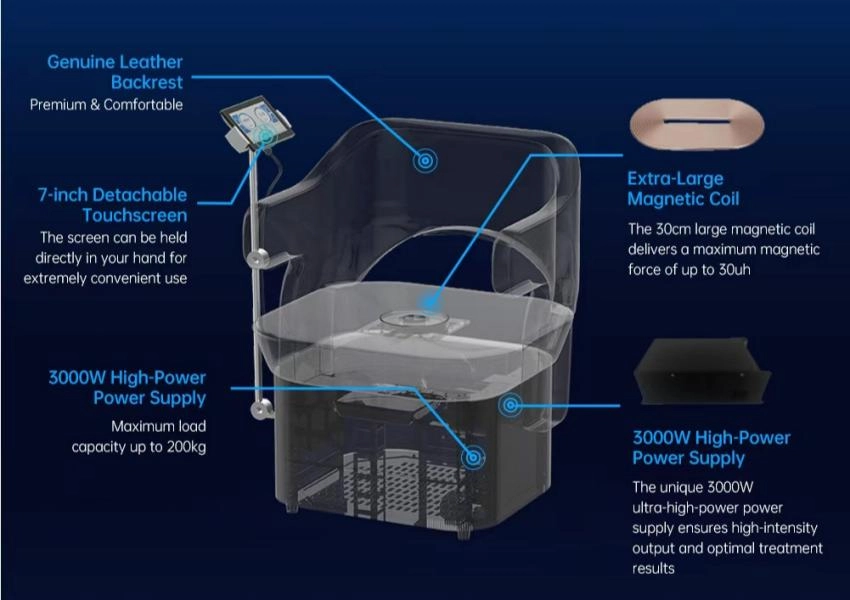
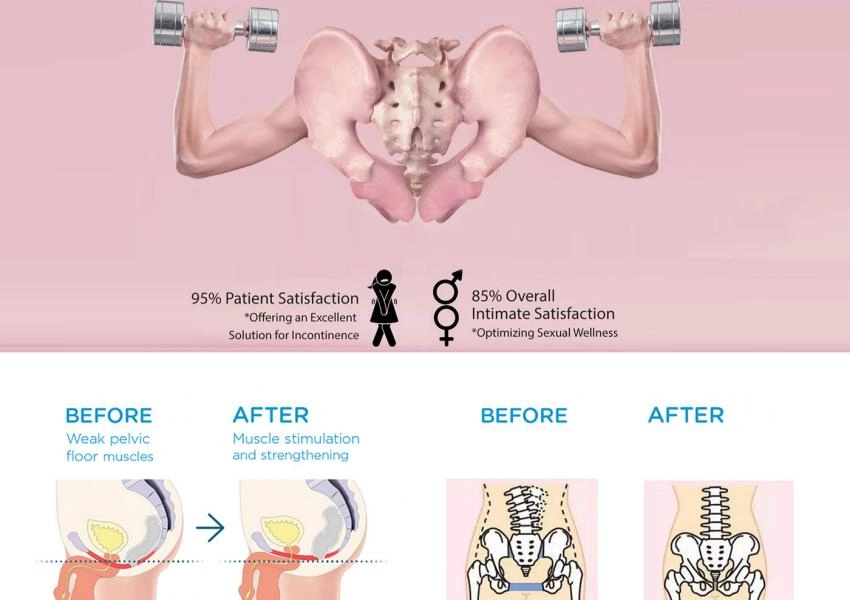
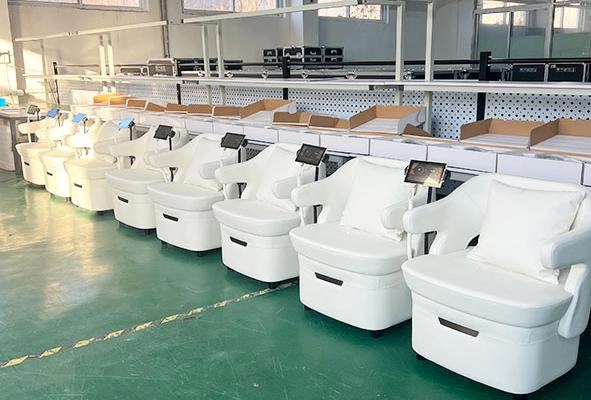
DEPMAX is positioned differently. It is not mainly about global brand recognition. It is built around factory-direct supply, customization, and a cost structure that can be more suitable for distributors and growing wellness businesses. DEPMAX is an EMS seat that supports pelvic floor wellness and body wellness service planning. The user sits on the chair, remains clothed, and receives electromagnetic muscle stimulation. Product materials also describe more than 12,000 pelvic floor muscle contractions per treatment course.
A careful buyer should also look at model-specific specifications. The maximum magnetic induction is listed as 1.2T ± 20%, the output frequency is 1Hz–20Hz, and the time setting is adjustable. A five-year machine life under correct use and operation. DEPMAX also uses a chair-based format that can reduce disposable consumable dependence. The business still needs cleaning, maintenance, staff guidance, and service-room management. But the session does not usually depend on single-use pads, gels, or disposable tips. This can help buyers plan session-level costs more clearly.
| Feature | BTL EMSELLA | DEPMAX from MQLASER |
| Technology Type | HIFEM (High-Intensity Focused Electromagnetic Field) | HIFEM (High-Intensity Focused Electromagnetic Field) |
| Effective Contraction Output | 11,200 contractions / 30 minutes | 15,000 contractions / 30 minutes |
| Energy Stability | Very high | Air-cooling system ensures no energy attenuation; on-site energy testing supported |
| Market Price Positioning | Higher (imported equipment) | Lower, cost-performance oriented |
| Customization Availability | Not supported | Supports flexible customization: technical parameters, software interface, and exterior design |
| Magnetic Induction Strength | 2.5 Tesla | 3 Tesla, with technical verification support |
| Market-Verified Performance | Supported by published clinical data | Installed in over 50 beauty salons and aesthetic centers across Europe; performance validated by real-world user feedback |
How the Two Options Fit Different Buyers
BTL Emsella may fit buyers who want a premium name, strong market visibility, and an established imported system. For a center that sells services based partly on brand recognition, this may be a reasonable choice. The buyer should calculate the full purchase cost, service pricing, booking volume, warranty terms, and local support before making a final decision.
DEPMAX may fit buyers who care more about customization, distributor flexibility, and direct factory communication. For a beauty equipment distributor, the ability to adjust the logo, software interface, exterior style, language settings, and selected technical parameters can be important. For a salon chain, the same options can help the equipment look more consistent across different locations.
There is also a difference in how each option supports market entry. With DEPMAX, buyers can work more closely with the supplier on product documents, training materials, branding, and after-sales communication. This can be useful for companies that sell equipment to local salons and need marketing support after delivery.
What Buyers Should Confirm Before Ordering an EMS Seat
Before buying any EMS seat, buyers should ask for a clear specification sheet. The document should include magnetic intensity, frequency range, session time, cooling method, machine size, chair structure, rated service life, and part replacement guidance.
The second point is user suitability. Staff should know who should avoid the session. People with implanted electronic devices, certain metal implants, pregnancy-related restrictions, epilepsy history, or other risk factors may not be suitable. This part should be included in staff training and user communication.
The third point is maintenance. EMS seats use strong electromagnetic output and internal components that need proper care. Buyers should ask about the treatment cushion, cooling system, capacitors, warranty, spare parts, and repair process. A lower purchase price is not helpful if maintenance support is unclear.
The fourth point is documentation. Importers and distributors should request model-specific files before ordering. If local registration is required, the supplier should help prepare related documents, but the buyer still needs to confirm local market rules.
| Comparison Dimension | BTL EMSELLA | DEPMAX from MQLASER |
| Customization Capability | Fixed architecture. Zero customization for software, hardware, or specs. | Fully customizable (UI, exterior design, technical specs, and private labeling).. |
| Cost-Performance Ratio | High premium investment; slower return on investment (ROI). | Value-driven pricing; faster ROI, ideal for multi-unit scaling. |
| Co-development of New Technology | Closed R&D ecosystem. No partner participation in tech iteration. | Open cooperation; fully supports OEM/ODM and joint technology development. |
| Market Flexibility | Rigid standardization; limited regional and business adaptability. | Highly adaptable to diverse regions, pricing strategies, and chain expansions. |
MQLASER Support for DEPMAX Buyers
MQLASER supports OEM and ODM projects for eligible EMS seat orders. Customization can include software interface, appearance design, selected technical parameters, logo design, and promotional materials. These options are useful for distributors and salon brands that want a more consistent market image.
The factory has FDA, MDR, CE, and ISO 13485. MQLASER can also assist customers with related certification documents required for local registration. In addition, equipment maintenance and after-sales support are available, which helps buyers handle real use after delivery rather than only focusing on the first purchase. For B2B buyers, the supplier’s response speed, spare parts system, document support, and customization ability often decide whether the product can be sold and serviced smoothly in the local market. For more information, please do not hesitate to contact us.
Conclusion
BTL Emsella and DEPMAX both serve the EMS seat market, but they are built around different buying needs. BTL Emsella is a premium, widely recognized option for businesses that value brand visibility and can support a higher investment level. DEPMAX is a factory-direct option for buyers who need customization, supplier support, and more flexible market planning.
For wellness centers, salon chains, and distributors, the final decision should be based on more than contract count or brand awareness. Buyers should compare model specifications, user suitability guidance, cooling design, maintenance, documentation, training, customization, and after-sales support. An EMS seat is a long-term service asset. The better choice is the one that fits the way the business will use, sell, and maintain it. If you would like to learn more, please read this article.
FAQ
Q1: How should a wellness center estimate payback for an EMS seat?
A1: Payback depends on purchase cost, local service pricing, weekly booking volume, staff arrangement, maintenance cost, and marketing ability. A realistic estimate should be based on actual appointment planning, not a fixed promise.
Q2: Can DEPMAX be customized for distributors or salon brands?
A2: Yes. MQLASER supports OEM/ODM projects, including software interface customization, appearance design, selected technical parameter adjustment, logo design, and promotional materials. The final scope should be confirmed before production.
Q3: What should buyers confirm before ordering DEPMAX?
A3: Buyers should confirm the exact model specification, contraction protocol, magnetic intensity, frequency range, session time, cooling design, warranty, spare parts, user suitability guidance, training materials, and model-specific certification documents.