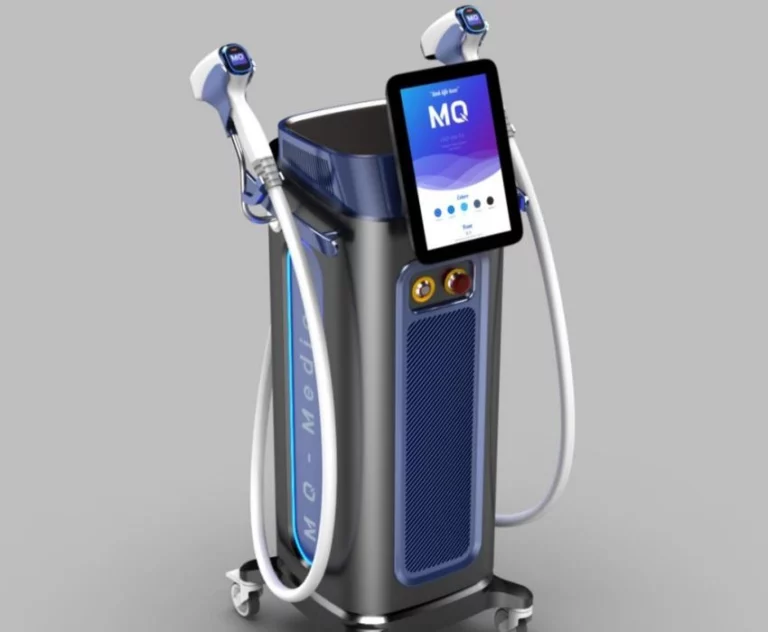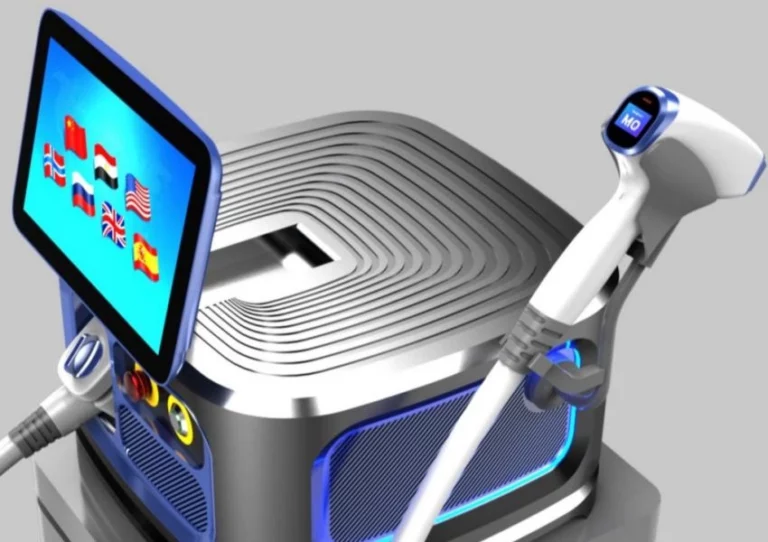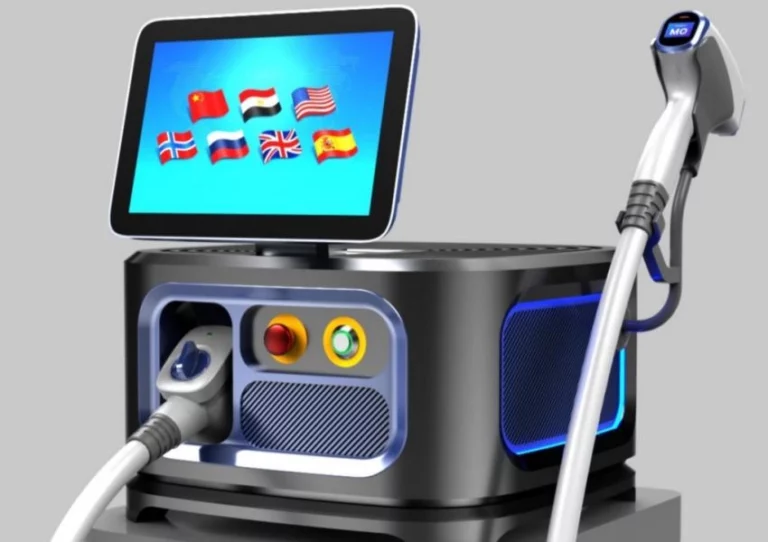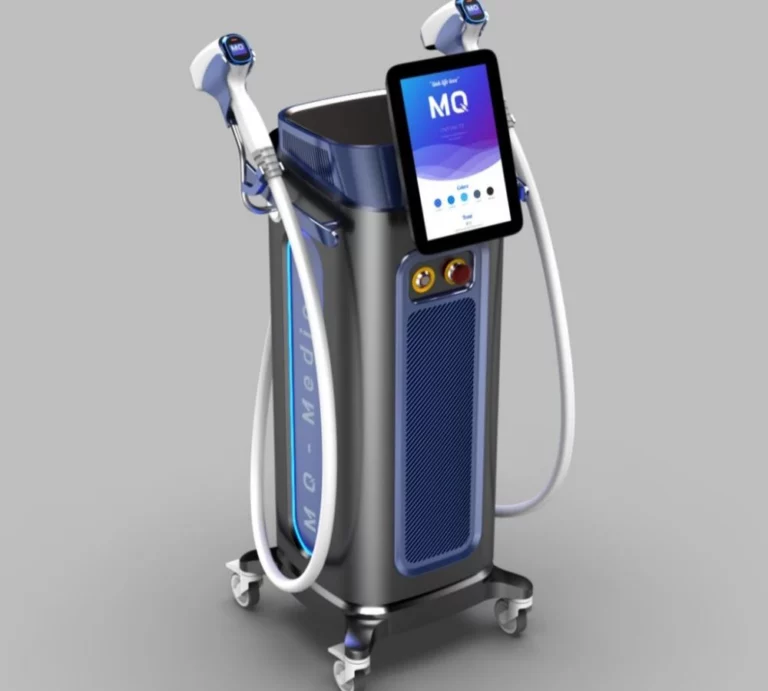
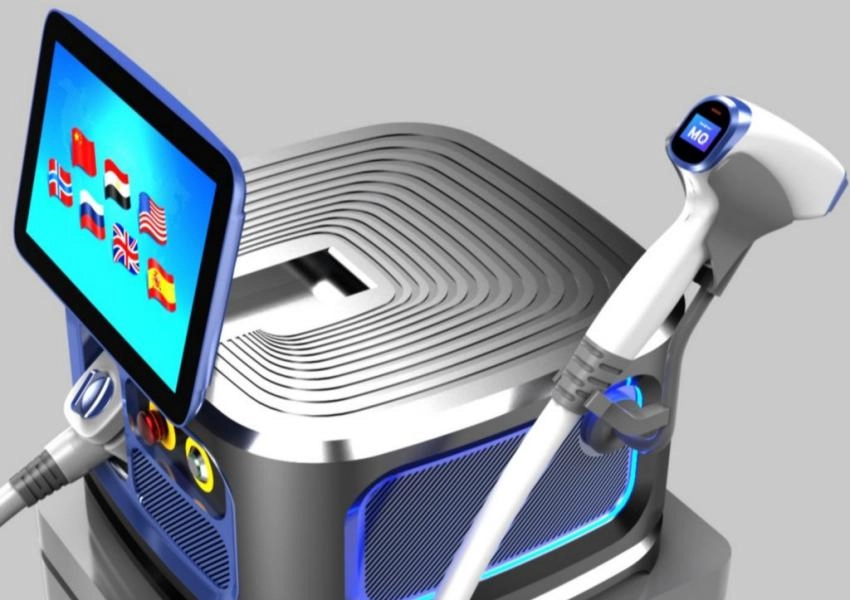
Cooling is one of the first things clients feel and one of the last things buyers should ignore. A laser hair removal cooling system affects comfort, energy confidence, session speed, operator rhythm, and long-term handpiece reliability. When cooling is weak, even a powerful diode platform can feel unstable during busy service hours. That is why SUPLASERMQLASER is worth looking at as a portable diode laser hair removal machine. It combines four wavelengths, 755/808/940/1064 nm, with 1200 W maximum power, a 25 kg machine body, and 7 tips. The design is aimed at buyers who need mobility without treating cooling as a secondary detail.
Cooling Protects Comfort and Operating Rhythm
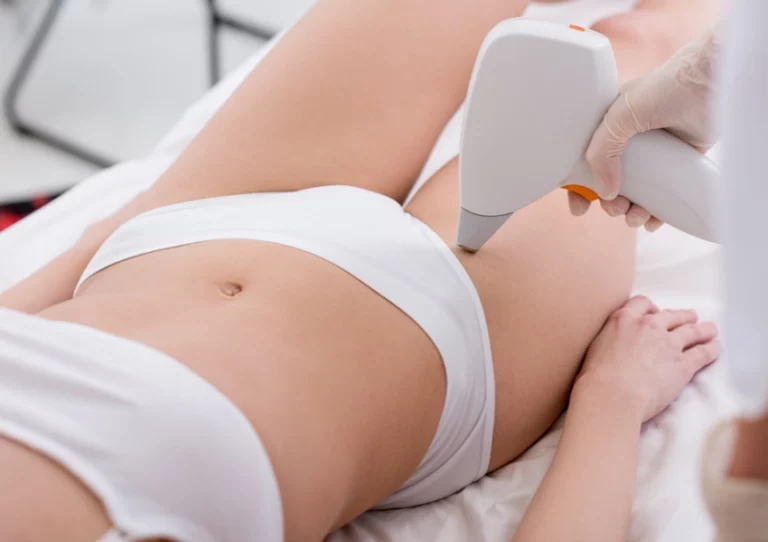
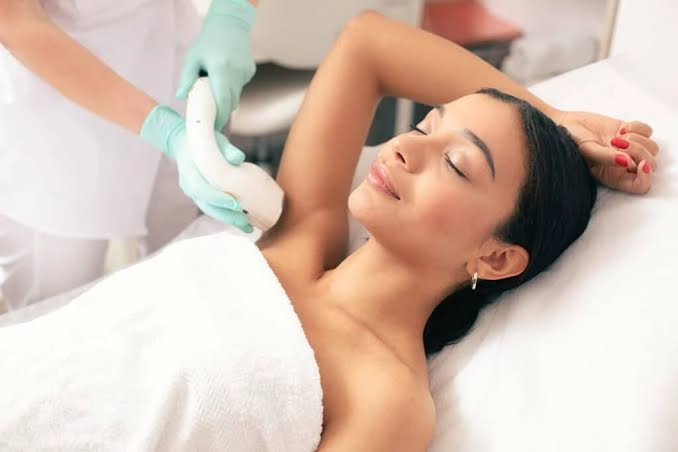
Laser hair removal works by directing light energy toward melanin around the hair follicle. As energy is absorbed, heat builds. Modern devices often use epidermal cooling to lower surface temperature and reduce the feeling of heat. In a real clinic or salon, that affects whether clients finish the session calmly and return for the next booking.
The business impact is easy to miss. Better cooling can help operators keep a steady pace instead of stopping repeatedly. It also helps staff stay closer to planned parameters instead of lowering energy too early because the skin-contact area feels too warm. For a buyer comparing machines, diode laser cooling is a service-quality issue, not just a comfort feature.
Sapphire Contact Cooling and TEC Handpiece Design
Sapphire cooling laser hair removal is widely used because sapphire transfers cold efficiently at the contact surface while allowing laser energy to pass through. The tip touches the skin before and during energy delivery, so contact quality, surface smoothness, and cooling recovery all affect the user experience.
A TEC cooling handpiece uses thermoelectric cooling to move heat away from the contact area. Buyers should ask how quickly the handpiece recovers after repeated shots, how the cooling is monitored, and whether replacement tips are easy to source. The cold sensation at the start of a demo is not enough. What matters is performance after the tenth, twentieth, or fiftieth minute of work.
Why Cooling Must Match Wavelength and Power
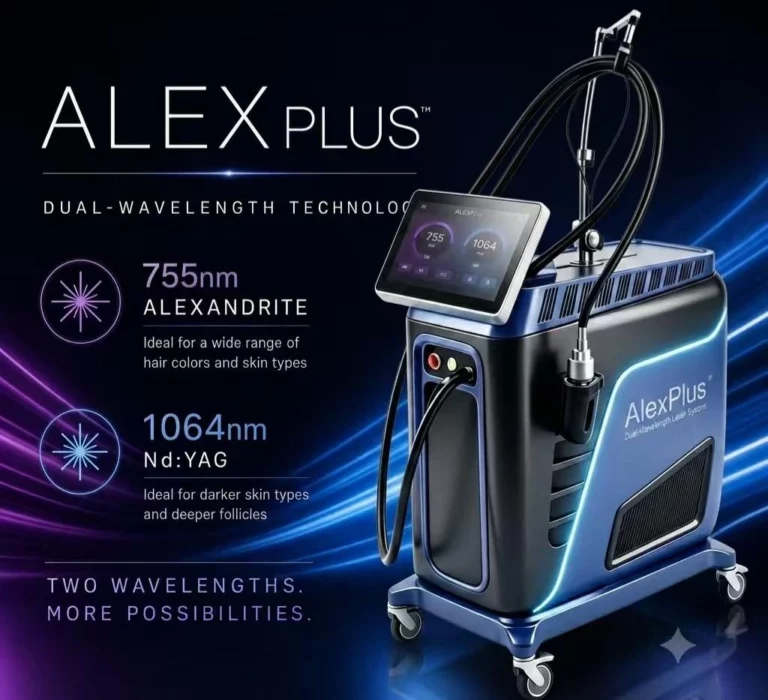
Cooling demand changes with wavelength and settings. A shorter wavelength, such as 755 nm, has stronger melanin absorption, so surface heat control becomes more important. The 808 nm range is balanced for broad use, but high fluence or large areas still require stable cooling. A 1064 nm setting penetrates deeper, yet longer sessions and higher energy planning can still stress the handpiece.
SUPLASER gives buyers four wavelengths in one portable device: 755 nm, 808 nm, 940 nm, and 1064 nm. That wide coverage only makes sense if the cooling system supports practical daily use. If a machine offers several wavelengths but cooling cannot keep pace, the operator may not fully use the platform. This is why the laser hair removal cooling system should be checked alongside power, pulse options, spot size, and tip design.
What Buyers Should Check Before Ordering
Start with the service scenario. A small studio may care about portability, easy storage, and fast setup. A distributor may care more about durability, replacement handpieces, language options, packaging, and whether the same configuration can be repeated in bulk. MQLASER supports OEM/ODM projects, which helps when these details need to match local channels.
Ask for more than a short demo. Check continuous operation, handpiece temperature recovery, tip contact area, cable flexibility, interface clarity, and spare part availability. For a portable diode laser hair removal machine, weight also matters. SUPLASER lists a 25 kg body, which is practical for buyers who need a movable device without shifting to a low-capacity platform.
For distributor projects, the cooling discussion should include packaging and after-sales planning. Handpieces, tips, filters, and cables are the parts most likely to be handled every day. If these parts are difficult to replace or explain, the sales team may face avoidable service pressure even when the core machine is strong.
It is also worth asking how the supplier records configuration changes. A sample may perform well because it was prepared carefully for a demonstration, while bulk units need the same cooling behavior, the same interface, and the same accessory package. Consistency between the sample and production unit protects both the buyer and the channel partner.
How SUPLASER Fits Cooling-Focused Purchases
SUPLASER is positioned for buyers who want four-wavelength coverage in a compact system. The 7 tips support different service areas, while the 1200 W maximum power gives room for common hair removal work. In this type of purchase, cooling should be discussed with the same seriousness as wavelength count because the handpiece is where the client experience, staff workflow, and device reliability meet.
Company capability also matters in the later stages of buying. MQLASER has an experienced R&D team, invests 15% of annual turnover into new product development, and supports CE, ISO, and RoHS certification needs. For distributors, that can reduce friction when preparing product materials, training documents, and after-sales support for a new market.
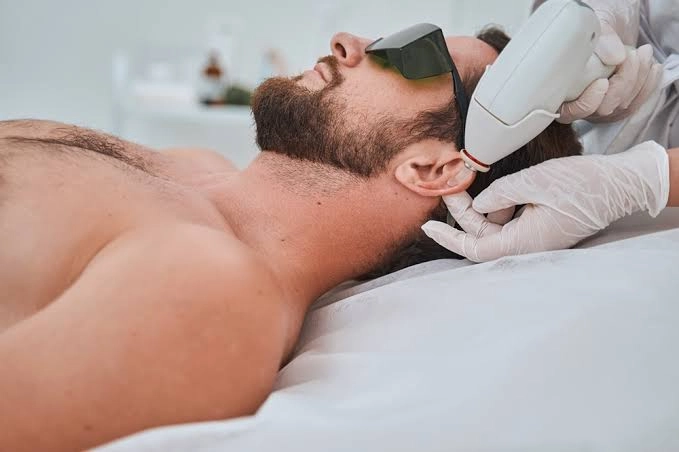
The strongest buying case is not that SUPLASER is portable by itself. It is that portability, four-wavelength coverage, tip selection, and cooling design can be discussed together. That gives the buyer a clearer way to decide whether the device fits a fixed beauty room, a shared service space, or a distributor showroom where staff need to demonstrate several body-area scenarios.
Before confirming an order, compare the broader diode hair removal product range, then ask for cooling-related details in writing. A good quotation should cover wavelength configuration, handpiece and tip options, spare parts, warranty support, packaging, and OEM/ODM scope. For sample testing or market-specific configuration, request SUPLASER details from the sales team. For more detail, see our guide on this article.
FAQ
Q1: Why is cooling important in laser hair removal machines?
A1: Cooling lowers surface heat, supports comfort, and helps operators keep a steady pace during repeated shots or longer service blocks.
Q2: What should buyers ask about a TEC cooling handpiece?
A2: Ask about recovery speed, monitoring, replacement parts, tip options, cable durability, and performance during continuous operation, not only a short demo.
Q3: Is SUPLASER suitable for mobile or compact spaces?
A3: Yes. SUPLASER is a 25 kg portable diode laser hair removal machine with four wavelengths and 7 tips for varied service areas.