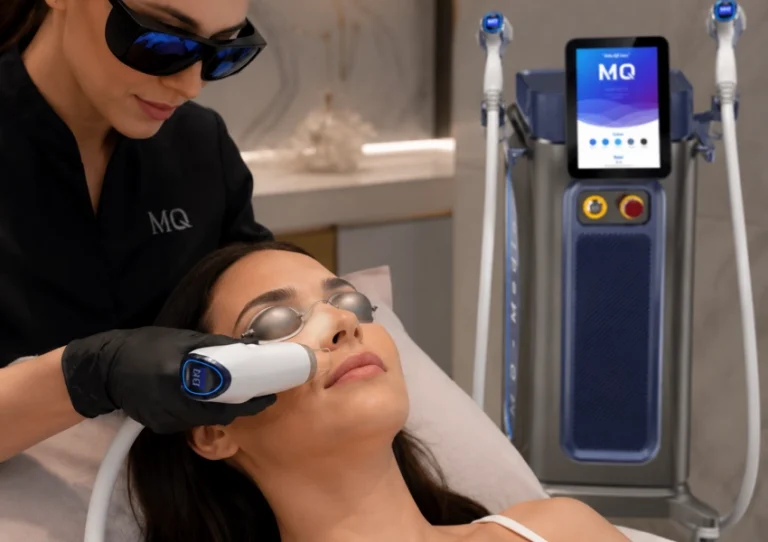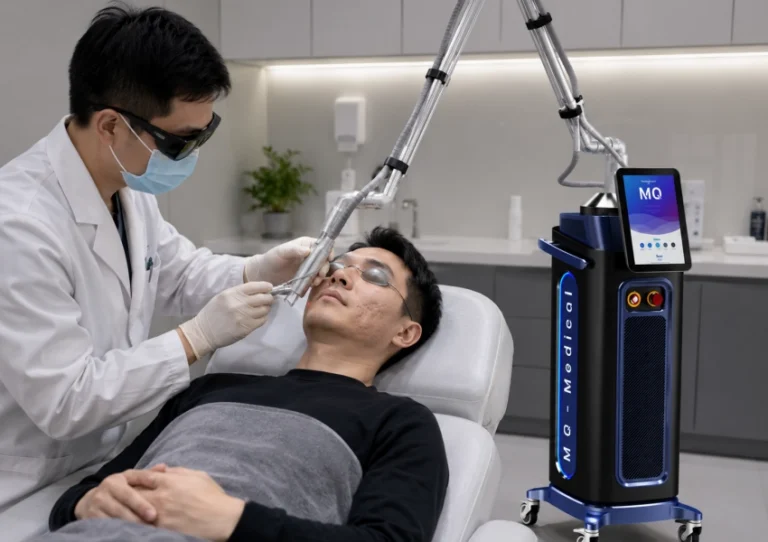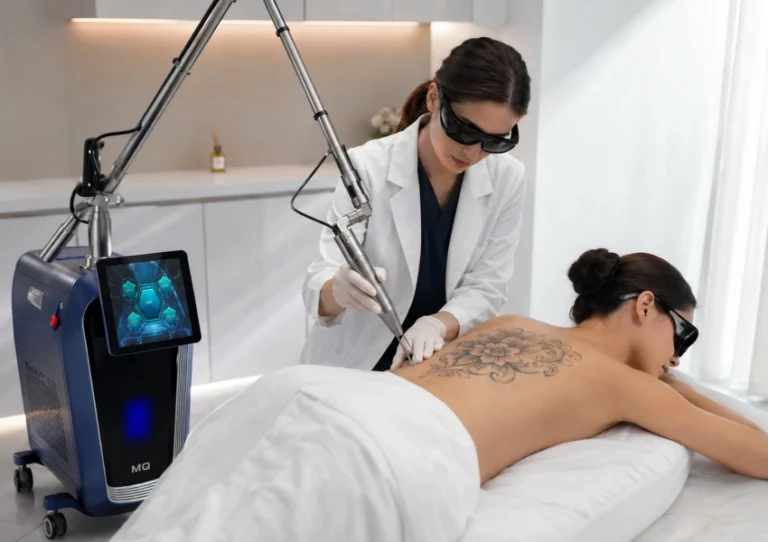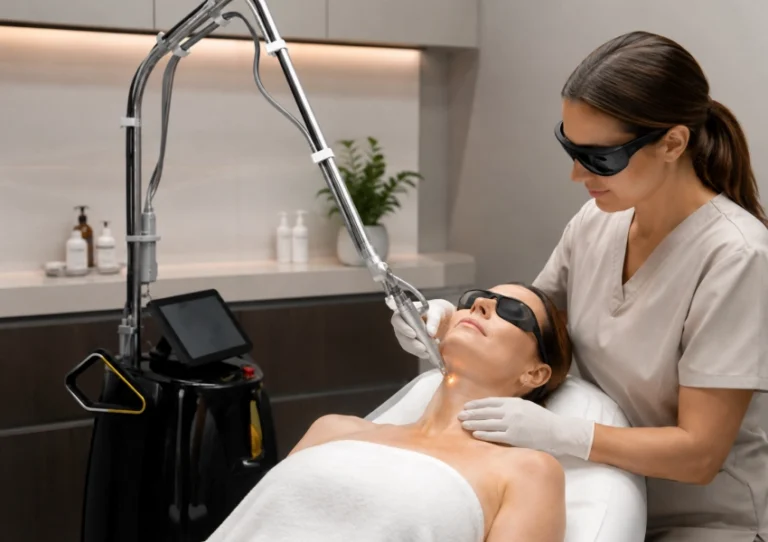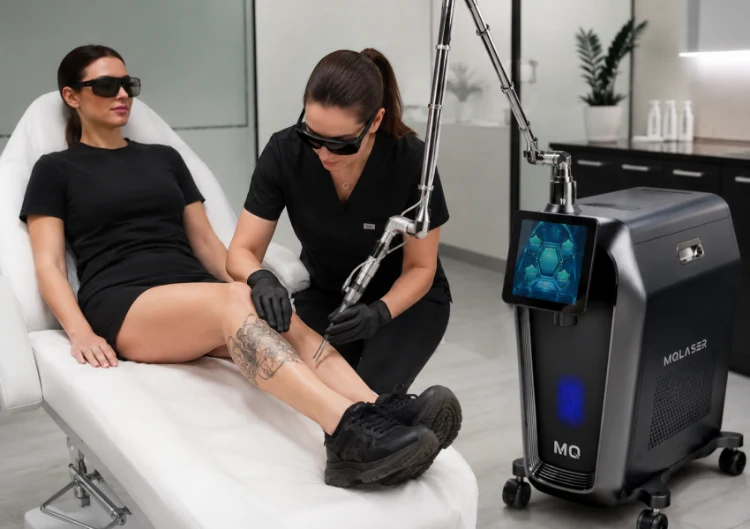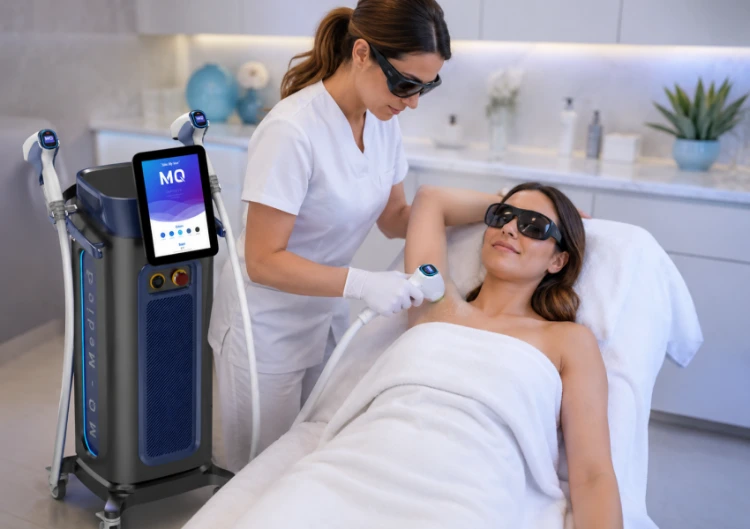
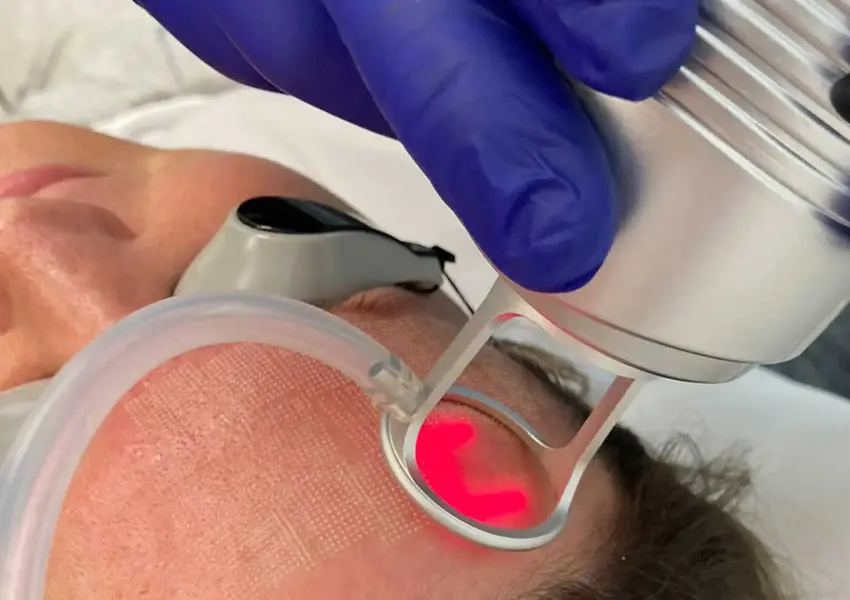
Choosing between the Alma Pixel CO₂ and the MQLASER DIATERMOLOGIE is not only a question of brand awareness but also of the specific features and capabilities of each device. For an aesthetic clinic, the real decision usually comes down to room space, treatment menu, budget, service support, and the type of clients the clinic wants to serve.
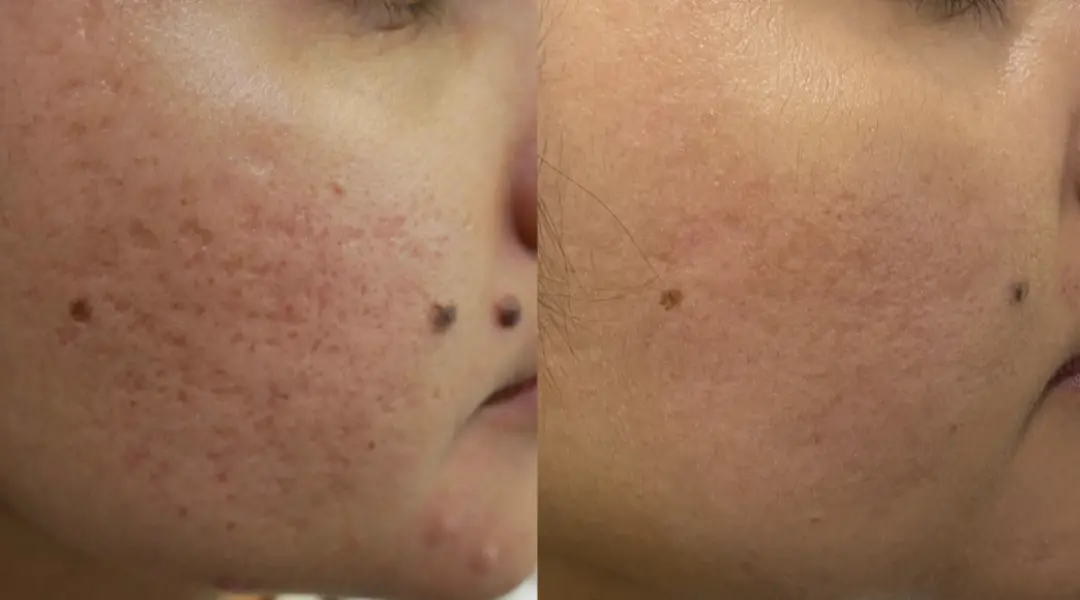
CO₂ fractional lasers are widely used for skin resurfacing, scar improvement, texture refinement, enlarged pores, fine lines, and selected gynecological or intimate-care applications where local regulations allow. Still, this is not a “no recovery” treatment category. Depending on the settings and skin condition, clients may experience redness, swelling, crusting, peeling, or temporary sensitivity. A responsible clinic should explain this clearly before treatment.
For B2B buyers, the comparison should stay practical. A good CO₂ laser should offer stable output, suitable pulse control, reliable tube performance, clear treatment modes, easy maintenance, and complete documentation for the target market. This article compares the Alma Pixel CO₂ and MQLASER DIATERMOLOGIE from that purchasing angle.
Why Fractional CO₂ Technology Still Has Value
Fractional CO₂ laser technology works by dividing laser energy into many small treatment zones instead of treating the whole skin surface at once. The surrounding untreated tissue helps support recovery. Compared with full-field ablative resurfacing, fractional delivery can give clinics more control over treatment intensity and downtime.
That does not mean the treatment is always light. CO₂ laser energy at 10600 nm is strongly absorbed by water in the skin, so it can produce clear resurfacing effects, but it also requires careful parameter selection. Power, pulse width, density, scan pattern, skin type, treatment area, and aftercare all matter.
For clinics, this technology can support several service categories. Facial resurfacing, acne scar improvement, wrinkle softening, skin texture work, and selected body or intimate-care procedures may all be included in the service menu. The question is whether the machine fits the clinic’s real workload and business model.
Alma Pixel CO₂: Recognized Stationary System
Alma Pixel CO₂ is a known name in the aesthetic equipment market. It is often discussed as a stationary CO₂ laser system with pixel-based fractional delivery. Its Pixel technology uses a fractional energy pattern designed to create controlled treatment zones while keeping surrounding tissue intact.
One reason many clinics consider Alma is brand recognition. Established brands often come with a familiar market position, a long user base, and a certain level of trust among clinic owners. For businesses that want a well-known system and have enough room space, Alma Pixel CO₂ can be a serious option.
The system is commonly associated with RF-excited metal tube technology and different power configurations, depending on the model and market version. Buyers should confirm the exact power, tube type, scanner design, treatment modes, service package, and warranty before purchase. These details can vary by region or supplier.
MQLASER DIATERMOLOGIE: Compact Design for Flexible Use
MQLASER DIATERMOLOGIE focuses on a different buyer need. It is designed for clinics that want CO₂ fractional capability but do not want a large stationary unit occupying one fixed treatment room.
The system uses a 10600 nm CO₂ laser output and can be configured with an RF-excited metal tube option, including a USA Coherent tube configuration, according to model details. For buyers, the important point is to confirm the exact tube, power level, cooling method, pulse mode, and accessory package before ordering.
Its compact structure is useful for clinics with limited space. A portable design can make it easier to move the machine between rooms, arrange treatment schedules, or add CO₂ laser services without reorganizing the whole clinic layout. This does not automatically make it better than a stationary system, but it gives small and mid-sized clinics more flexibility.
Another point is treatment mode range. MQLASER DIATERMOLOGIE supports fractional mode, normal or pulse mode, and gynae mode, depending on the configuration. This can help clinics build a wider service menu with one machine. However, gynecological or intimate-care applications should only be offered where local regulations, operator training, and clinical protocols allow.
| Feature | Alma Pixel CO₂ | DIATERMOLOGIE |
|---|---|---|
| Energy Distribution | Extremely uniform (DOE technology) | High-speed galvanometer scanning; supports sequential, random, equidistant patterns; uniformity depends on laser tube performance |
| Pain Level | Low; some superficial modes may not require anesthesia | Low; portable high-power system with faster heat accumulation; pulse modes help reduce discomfort |
| Downtime (Redness & Recovery) | 3–5 days (fine, dust-like micro-crusting) | 5–7 days; deeper penetration (up to >4mm) leads to slightly longer redness duration |
| Key Strengths | Skin resurfacing precision, pores, shallow to mid-depth acne scars, suitable for sensitive skin | 3-in-1 system (ablative + pulse cutting + gynecology); compact size; high cost-performance; multiple scanning shapes supported |
| Power / Energy | 30W or 60W | Up to 60W; supports UltraPulse mode |
What Buyers Should Check Before Choosing
The first thing to check is the laser tube. CO₂ laser output stability depends heavily on tube quality, cooling design, and system control. A buyer should not only ask whether the tube is metal or glass. They should confirm the supplier, rated power, expected lifespan, replacement cost, and service process.
The second point is treatment control. Fractional CO₂ work requires careful adjustment of power, pulse width, density, scan shape, and treatment area. A clear interface and stable scanner help operators manage treatments more confidently. If the clinic plans to train several operators, the software should be easy enough to use without losing parameter control.
The third point is recovery communication. CO₂ laser clients need realistic expectations. A supplier that provides training videos, treatment guidance, contraindication notes, and aftercare materials can help clinics reduce misunderstanding after the sale.
The fourth point is documentation. CE, ISO, RoHS, FDA, MDR, or ISO 13485-related claims should be checked by model and market. A certificate is not useful if it does not apply to the exact device being imported. Buyers should ask for valid files before payment, especially when local registration is required.
Finally, buyers should look at after-sales support. Warranty terms, spare parts, remote troubleshooting, accessory replacement, and response time matter more after the machine arrives than during the first sales conversation.
Where Alma Pixel CO₂ May Fit Better
Alma Pixel CO₂ may be suitable for clinics that prefer a recognized stationary platform and have enough room space for a fixed CO₂ laser setup. It may also fit clinics that already use Alma systems and want to keep equipment sourcing within the same brand ecosystem. For clinics with a higher budget and established service volume, the larger footprint may be acceptable. In that case, brand familiarity and existing market recognition can be part of the buying logic.
Where MQLASER Portable Fractional CO₂ Laser May Fit Better
The MQLASER Portable Fractional CO₂ Laser may fit clinics that need a more flexible setup. Smaller spas, growing aesthetic centers, training centers, or distributors may prefer a compact machine that can support several applications without requiring a large room.
It is also relevant for B2B buyers who need OEM/ODM support. MQLASER can support logo design, interface customization, appearance adjustment, language settings, and selected technical configurations according to project requirements. This matters for distributors building their own product line or clinics that want stronger brand consistency.
For buyers comparing cost, the portable format may also reduce pressure on room planning. The main point is not that “portable” always means cheaper or better. The point is that it may fit a different operating model.
| Business Metric | Alma Pixel CO2 | DIATERMOLOGIE |
| Market Flexibility | High brand recognition attracts premium clients. | Suitable for multi-market and scaling strategies |
| B2B Customization | Standardized; very little room for software/look changes. | Fully Bespoke: software UI, exterior, and logo are customizable. |
| Return on Investment (ROI) | Higher initial cost; relies on premium pricing. | High value for long-term use |
| R&D Collaboration | Closed system; upgrades come from the manufacturer. | Open & Collaborative; 15% R&D reinvestment for new features. |
| Maintenance & Support | Large network; often expensive parts. | Proactive; local registration help & free marketing support. |
| Comfort vs. Power | Focuses on comfort and “skin bridges.” | Focuses on high-peak power and versatility. |
Conclusion
Alma Pixel CO₂ and MQLASER DIATERMOLOGIE: Both lasers belong to the CO₂ fractional laser category, but they serve different purchasing needs. The Alma Pixel CO₂ is more suitable for buyers who value a recognized stationary system and have enough budget and treatment room space. The MQLASER DIATERMOLOGIE is more suitable for clinics and distributors looking for compact design, multi-mode use, OEM/ODM support, and flexible room arrangement.
Before making a final decision, buyers should compare tube type, output power, treatment modes, scanner control, documentation, training, warranty, spare parts, and after-sales response. In CO₂ laser purchasing, the best machine is not always the biggest or the most famous one. It is the one that fits the clinic’s space, service menu, operator skill, and long-term business plan.
FAQ
Q1: Are portable fractional CO₂ lasers as powerful as stationary devices?
A1: Some portable fractional CO2 lasers can meet common clinic-use requirements, especially when configured with a stable RF-excited metal tube. However, buyers should compare power, tube type, cooling design, pulse mode, scanner control, and intended treatments before deciding.
Q2: Can the MQLASER Portable Fractional CO₂ Laser support more than facial resurfacing?
A2: Yes. Depending on configuration, it can support fractional mode, normal or pulse mode, and gynecological mode. Clinics should only provide gynecological or intimate-care applications when local regulations, training, and treatment protocols allow.
Q3: Can MQLASER support OEM or ODM orders?
A3: Yes. MQLASER supports eligible OEM/ODM projects, including logo design, interface customization, appearance adjustment, language settings, and selected technical configurations. The exact scope should be confirmed before production.