Running an aesthetic or wellness clinic is not only about filling the schedule. The harder part often starts after the booking is made: staff time, supplies, room use, maintenance, and follow-up all decide whether a service is actually worth keeping on the menu.
Many clinics look at equipment price first. That is natural. But the purchase price is only one line in the real cost structure. A machine that needs disposable tips, single-use pads, special gels, treatment covers, or frequent cartridges may look affordable at the beginning and become expensive later. For B2B buyers, the better question is simple: how much does each session continue to cost after the machine is installed?
This is where low-consumable technology, including EMS seat equipment such as DEPMAX, has gained attention. It does not remove all operating costs. Electricity, cleaning, staff supervision, maintenance, spare parts, and training still matter. But when a service does not depend on disposable treatment accessories for every appointment, clinics can plan margins with more confidence.
Why Consumable-Heavy Equipment Can Limit Growth
Consumables are not always a problem. Some treatments need them for safety, hygiene, or clinical performance. The issue starts when a clinic builds a core service around equipment that requires constant restocking.
Every disposable item adds another small cost to the session. One gel pack is not expensive. One protective cover is not a big deal. A replacement cartridge may look manageable when the machine is new. But after months of regular bookings, these costs become easier to feel. They also create extra work for the team: checking stock, placing orders, storing items properly, watching expiry dates, and dealing with delayed shipments.
For clinics with several rooms, this becomes even more complicated. If one treatment cannot run because a specific accessory is out of stock, the machine sits idle. The room is booked, the client may need to reschedule, and the staff still spends time handling the problem. That is why experienced buyers often look beyond the catalog price and ask about session-level cost. A lower-consumable service model gives the clinic more control. It does not guarantee faster payback, but it reduces one common source of cost uncertainty.
Why EMS Seat Services Fit This Cost-Control Trend
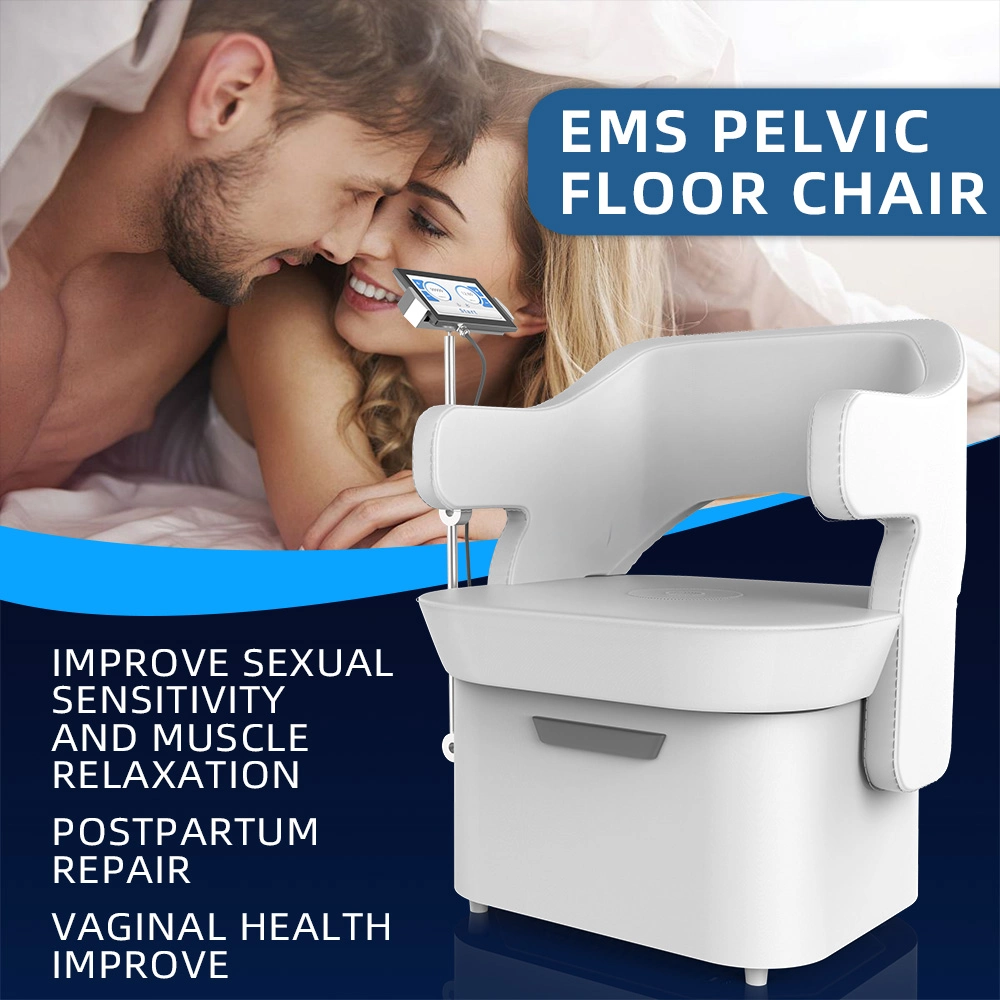
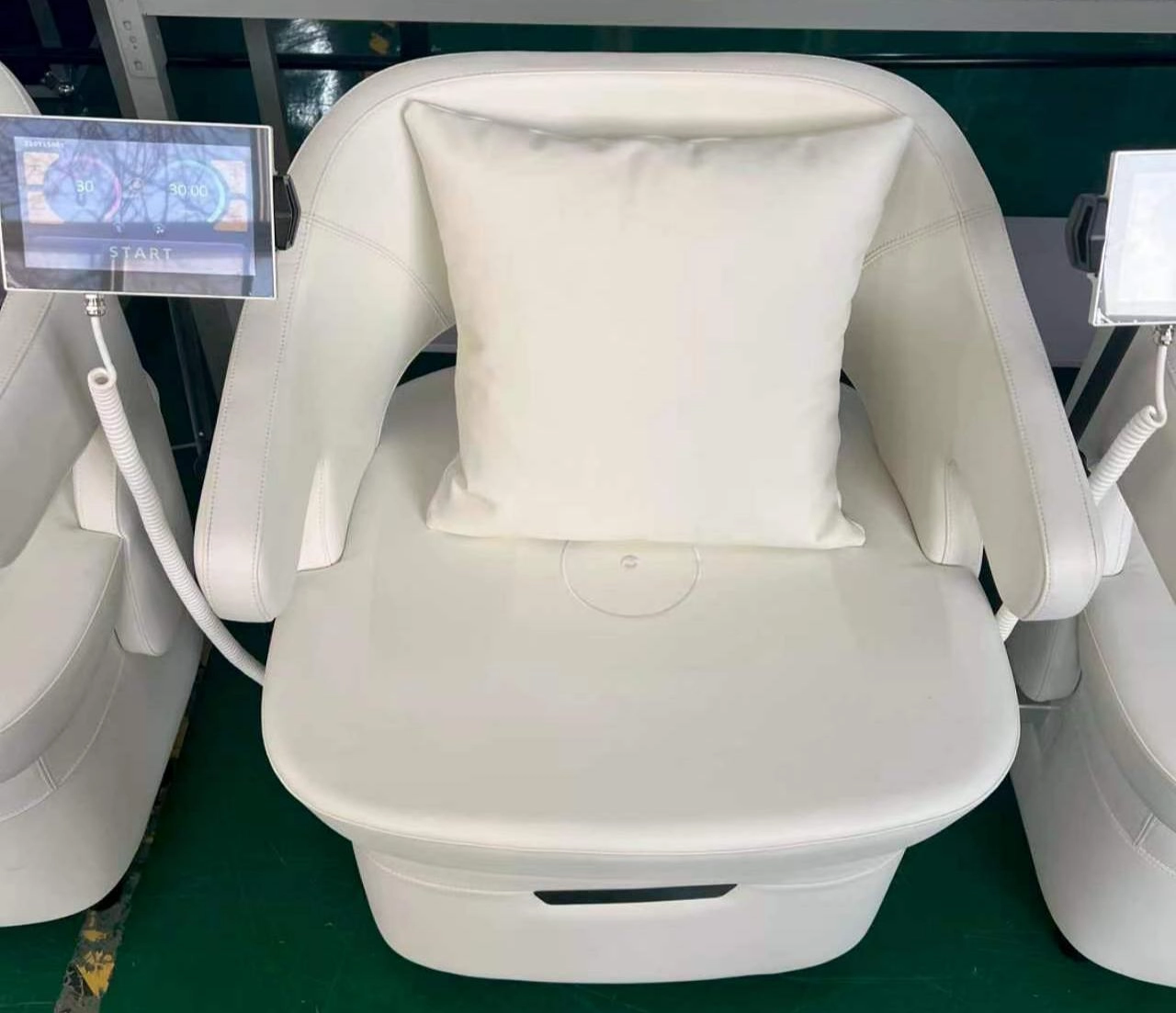
EMS seat technology is used for pelvic floor wellness services, postpartum wellness support, and related muscle stimulation programs where local regulations and clinic qualifications allow. The user sits on the chair, usually remaining fully clothed, while electromagnetic stimulation works through the treatment cushion.
From an operating point of view, this format has a clear advantage. The service does not usually require messy gels, adhesive pads, disposable tips, or single-use cartridges for every session. The machine itself still needs proper cleaning, cooling, maintenance, and trained supervision, but the per-session disposable cost can remain low.
That makes EMS seat equipment attractive for clinics that want to add a service without adding a complicated supply chain. It is also easier to explain to front-desk and operations teams. Appointment time, room use, user screening, and aftercare communication become the main workflow items, not consumable inventory.
DEPMAX as a Low-Consumable Service Option
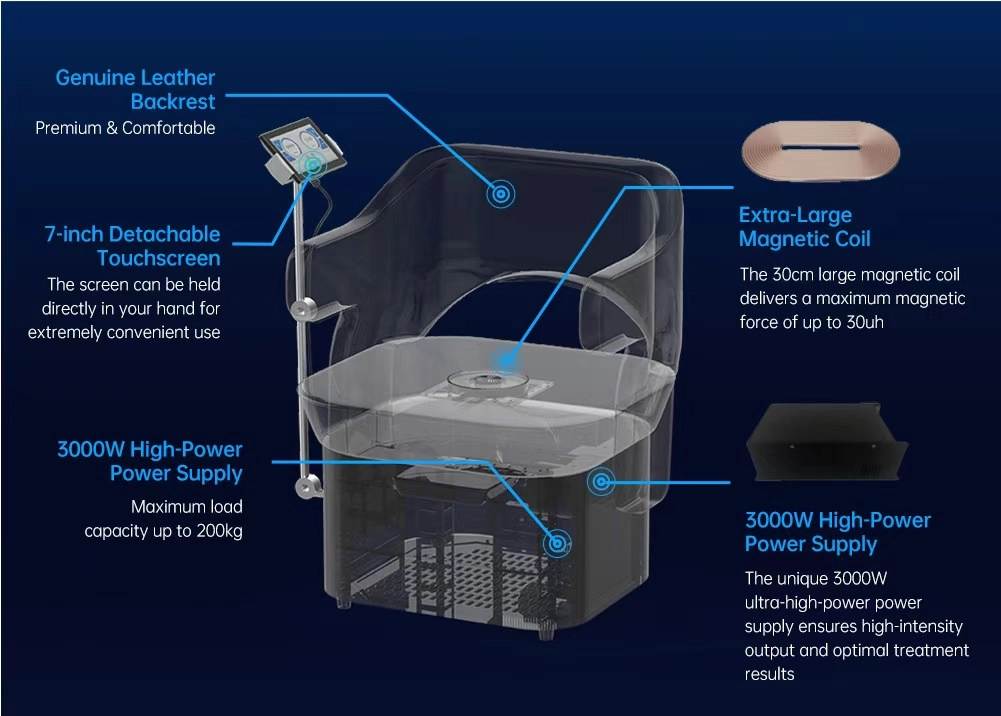
DEPMAX is positioned as an EMS seat system for clinics that want to add pelvic floor wellness or postpartum wellness support without relying heavily on disposable accessories. The service format is simple: the user sits on the treatment chair, stays clothed, and receives electromagnetic muscle stimulation through the seat area.
The technology uses high-intensity electromagnetic stimulation to activate pelvic floor muscle contractions. Product materials describe deep pelvic floor stimulation and more than 12,000 pelvic floor muscle contractions during a treatment course. For article copy, it is better to describe this as muscle training support rather than promising a medical cure or guaranteed result.
For buyers, model-specific parameters should always be confirmed before purchase. The listed maximum magnetic induction is 1.2T±20%, the output frequency is 1 Hz–20 Hz, and the treatment time is adjustable. The machine life is listed as five years under correct use and regular maintenance
What Clinics Should Check Before Buying an EMS Seat
Before adding an EMS seat to the service menu, clinic owners should ask practical questions. The first one is about consumables. Does each session require disposable pads, gel, covers, or replacement parts? If yes, how much do they cost and how often are they needed?
The second question is about parts with service life. Low consumables do not mean maintenance-free. Treatment cushions, cooling parts, capacitors, pumps, or internal components may have replacement cycles. Buyers should ask the supplier for the expected service life, replacement cost, and repair process.
The third question is about training. EMS seat equipment uses a strong pulsed magnetic field. It should be operated by trained personnel, and clinics should screen users carefully. People with pacemakers, implanted electronic devices, certain metal implants, pregnancy-related restrictions, epilepsy history, or other contraindications may not be suitable. Staff should know when to refuse or postpone a session.
The fourth question is after-sales support. A low-consumable machine is only useful if it can keep working. Buyers should confirm warranty length, spare parts availability, remote troubleshooting, maintenance guidance, and how the supplier handles faults.
Cost Planning Without Overpromising ROI
A low-consumable EMS seat may help clinics control session-level costs, but it should not be promoted as a guaranteed fast-return investment. Payback time depends on purchase price, local service pricing, booking volume, room availability, staff cost, maintenance, and market demand.
A clinic in a high-traffic postpartum recovery center may use the machine differently from a small beauty salon that only books a few sessions each week. A distributor selling to multiple clinics has a different calculation again. This is why the most honest ROI discussion starts with workload.
Instead of saying “full return in a few months,” a more professional approach is to calculate several scenarios. How many sessions per week are realistic? What is the local price range? How many staff members are needed during one appointment? What maintenance cost should be reserved each year? Once these numbers are clear, the clinic can judge whether DEPMAX fits the business plan.
MQLASER Support for B2B Buyers
For importers, distributors, and clinic chains, supplier support can be as important as the machine itself. MQLASER supports OEM/ODM projects for eligible orders, including logo design, software interface adjustment, appearance customization, language settings, and selected technical configurations.
Documentation should also be checked early. Available files may include CE, ISO 13485, RoHS, FDA-related, or MDR-related materials depending on the exact model and destination market. Buyers should not assume that one certificate covers every country or every device version. The safest approach is to request model-specific documents before import or registration.
For long-term use, clinics should also ask for training materials, operating videos, contraindication guidance, cleaning instructions, and maintenance procedures. These details help the machine move from a sales item into a real service system. For more information, please do not hesitate to contact us.
Conclusion
Consumable-heavy equipment is not always wrong, but it can make clinic costs harder to control. For buyers who want a simpler service model, low-consumable EMS seat technology offers a practical option. DEPMAX can help clinics add pelvic floor wellness and postpartum wellness support while reducing dependence on disposable session accessories.
The stronger selling point is not “zero cost” or “instant ROI.” It is clearer cost planning. Clinics still need trained staff, user screening, proper maintenance, safe operation, and honest communication with clients. When those parts are in place, a low-consumable EMS seat can become a useful addition to a modern wellness or aesthetic business.
FAQ
Q1: Does an EMS seat require disposable consumables for every session?
A1: In most cases, an EMS seat service does not require disposable tips, pads, or gel for every appointment. Clinics should still confirm cleaning steps, treatment cushion care, and any replacement parts with the supplier.
Q2: How fast can a clinic recover the equipment cost?
A2: There is no fixed answer. Payback depends on machine price, local service pricing, booking volume, staff arrangement, maintenance cost, and marketing ability. A realistic ROI estimate should be based on several booking scenarios.
Q3: Is the EMS seat session comfortable for users?
A3: The user usually stays fully clothed and sits on the treatment chair during the session. Many users may find the process convenient, but comfort levels vary. Clinics should explain the feeling of electromagnetic muscle stimulation before the first appointment.