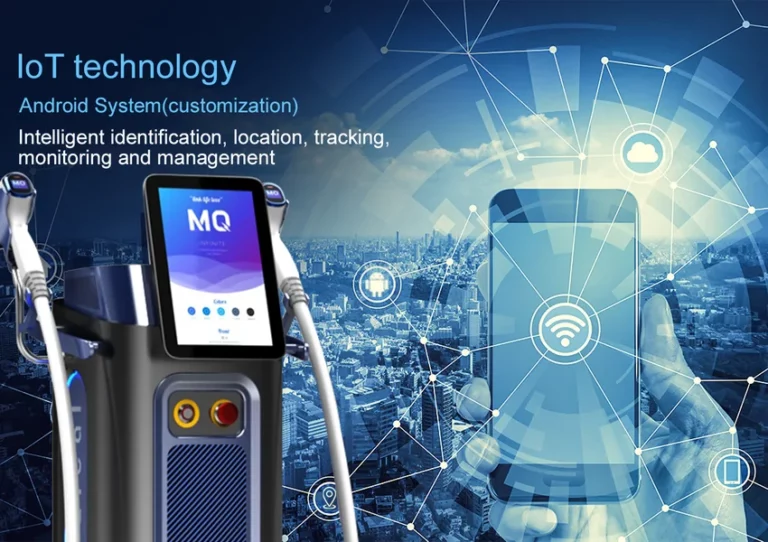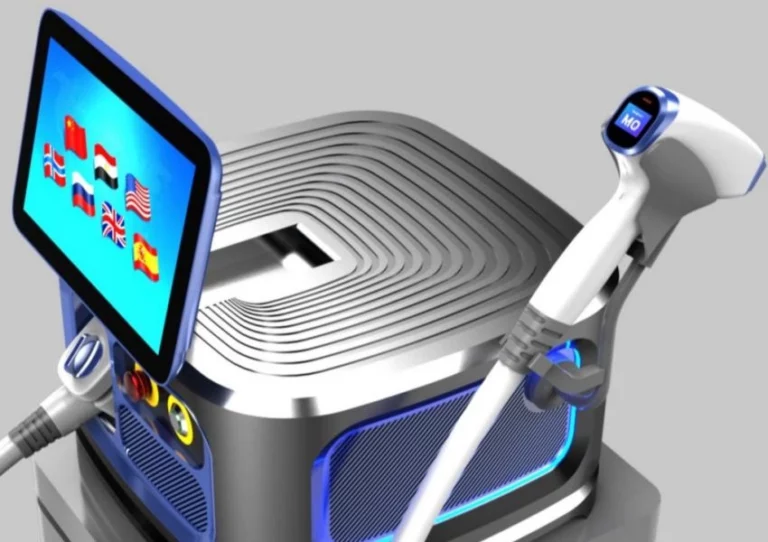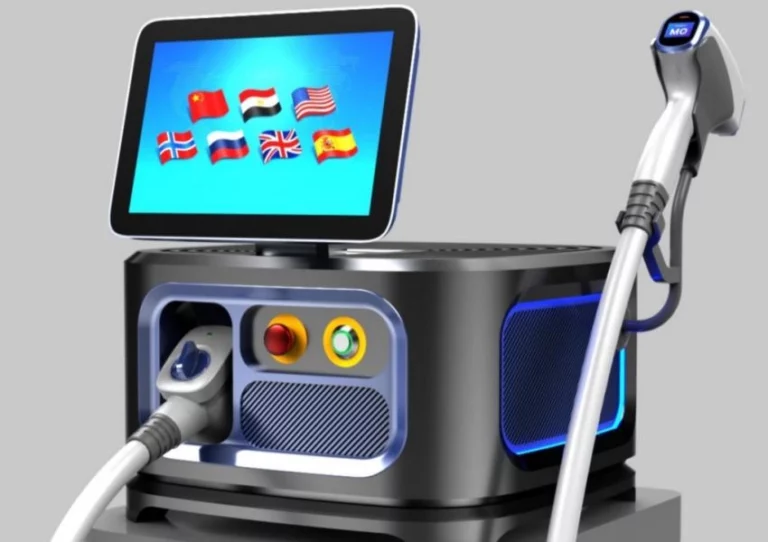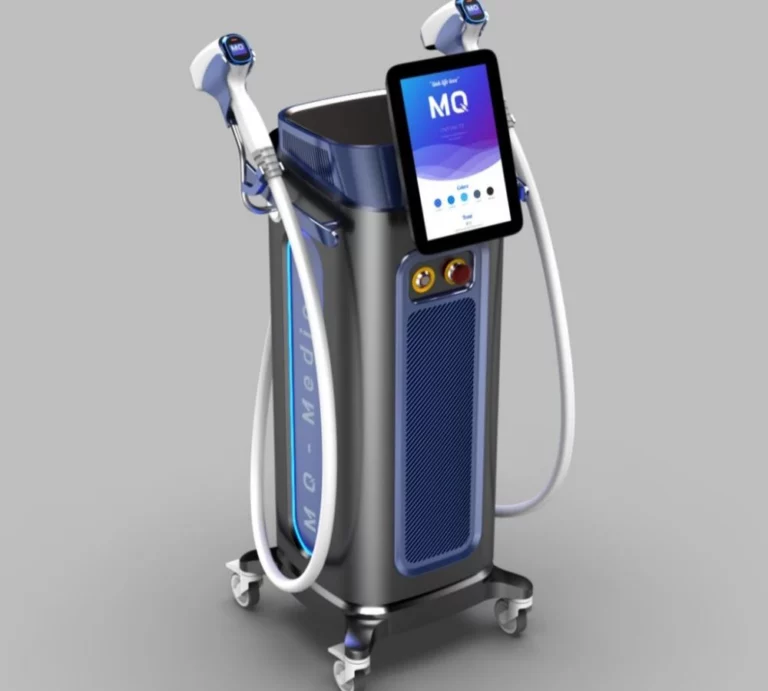
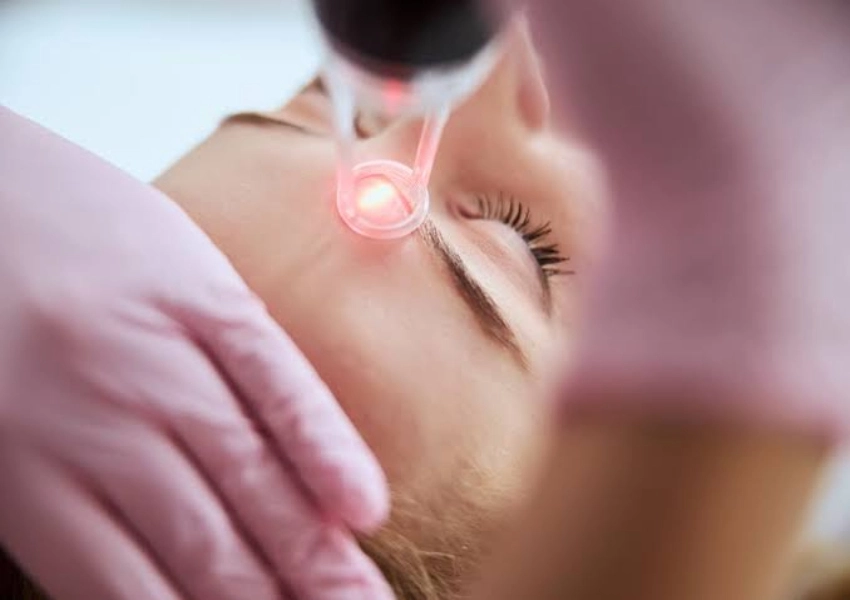
A fractional CO₂ laser machine is not a casual piece of equipment. It changes the pace of skin resurfacing services, staff training, customer explanation, accessory planning, and after-sales pressure. A buyer who only compares wattage may miss the parts that decide whether the machine works smoothly six months later. For clinics, beauty centers, and distributors, the better question is practical: what kind of service menu will the machine support, how stable is the laser source, how much control does the operator have over scan density, and whether the supplier can repeat the same configuration in bulk. DEPPLUS is the MQLASER model positioned for this type of skin resurfacing laser purchase, so the guide below keeps returning to the details that matter in daily work.
Start With The Services You Actually Sell
A CO₂ laser machine can sit in different business models. Some buyers need a focused CO₂ fractional laser for clinical skin texture services. Others want a broader device that can support resurfacing, scar smoothing, fine line work, pigmentation-related improvement, and selected cutting-mode tasks. The correct choice depends less on a glossy product photo and more on service frequency, operator level, and local customer demand.
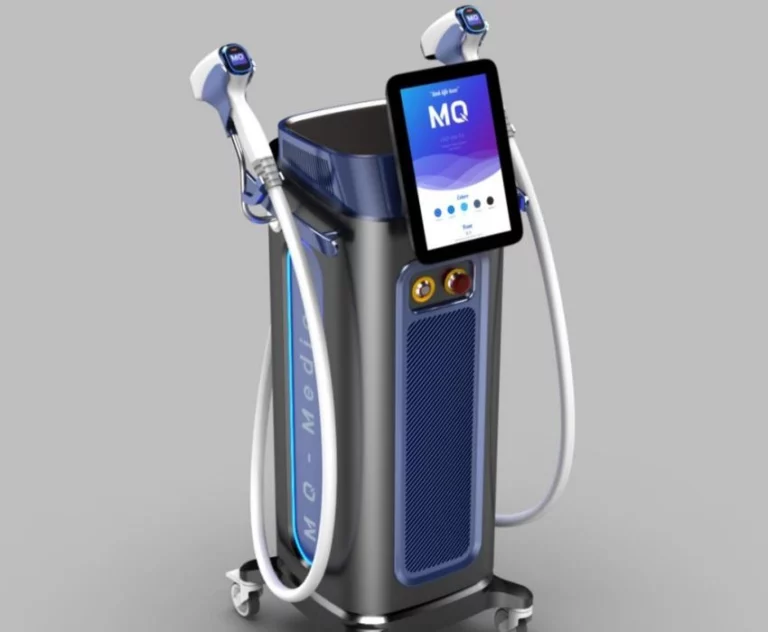
DEPPLUS uses a 10600 nm fractional CO₂ laser platform. The machine is built around a fractional working mode, a cutting working mode, and a private-care mode. For a skin resurfacing service provider, the first two are usually the main commercial focus. The broader mode structure still matters because it shows the chassis is not designed as a single narrow application tool. When distributors compare a fractional CO₂ laser machine, the service menu should be written before the order is placed. Acne-mark services, rough texture improvement, wrinkle-focused packages, and scar-smoothing programs do not all need the same parameter habits.
Laser Source, Scan Control, And Cooling Should Be Read Together
Buyers often ask for higher power first. Power matters, but it does not stand alone. The DEPPLUS CO₂ laser specification supports up to 70 W.
Tube Choice Affects Stability And Service Planning
DEPPLUS can be configured with a USA Coherent RF-excited metal tube or a glass laser tube. The RF-excited option is attractive where energy stability, long service life, and high utilization matter. A glass tube can still fit markets that need a more accessible CO₂ laser machine price point. The real issue is not which tube sounds premium. The issue is whether the tube choice matches expected bookings, spare-part access, and local service capability.
Cooling deserves the same level of attention. DEPPLUS lists air cooling and water cooling support. For a distributor, cooling is tied to training and warranty pressure: if the operator does not maintain the cooling path correctly, service stability drops and complaints become harder to trace. Good procurement notes should include installation conditions, water quality guidance if needed, and maintenance intervals.
Scan Settings Decide How The Service Feels
A skin resurfacing laser becomes easier to manage when scan size and dot spacing can be tuned. DEPPLUS lists a maximum 20 x 20 mm scan scope, adjustable duration from 0.1 to 9.9 ms, distance from 0.1 to 2.0 mm, interval from 0.1 to 2 s, and repeats from 1 to 10. These controls allow the operator to adjust coverage, density, and working rhythm for different service areas.
It also has sequence, random, continuous, and ultra-pulse scan modes, along with spiral and smart spot technology. In practical terms, this gives a clinic more ways to shape the resurfacing pattern. It also means training cannot be rushed. Staff should know why a lighter-texture service, a deeper scar-smoothing session, and a small localized task should not be handled with the same scan habit.
Buying Checks For Clinics, Chains, And Distributors
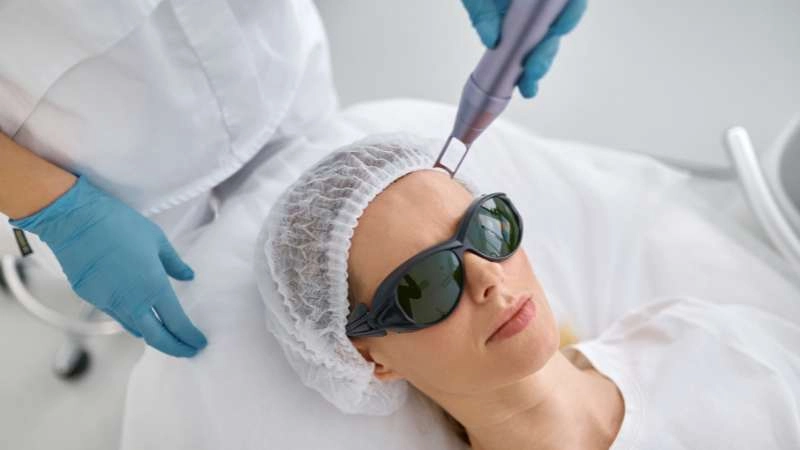
A CO₂ fractional laser for clinic use should be tested in a way that resembles real service work. A short beam demonstration on a small target is useful, but it does not show enough. Buyers should ask for the same model, tube choice, arm structure, scan settings, handpiece package, software language, and cooling configuration that will be supplied after payment.
Start with operator workflow. The light-guiding arm should move smoothly through the range needed for face, neck, and selected body-area work. Spot preview and aiming beam adjustment should be clear. The interface should allow staff to find settings without guessing. If a distributor sells to several regions, language, voltage, packaging, and accessory lists need to be confirmed before the first bulk order.
Physical size also matters. It is 41 x 58 x 49 cm and 45 kg. This is a normal equipment-purchase detail: shipping cost, showroom layout, and after-sales planning depend on the actual configuration delivered.
How DEPPLUS Fits A Resurfacing Equipment Plan
DEPPLUS is a better fit when the buyer wants a focused fractional CO₂ laser machine with enough parameter depth for service differentiation. The 10600 nm laser mode, fractional scan controls, tube options, and cooling choices make it suitable for businesses that want to sell more than a basic surface-refresh package. It also gives distributors a clearer story: service range, parameter control, and supplier support can be discussed together.
MQLASER has an experienced R&D team, supports OEM/ODM cooperation, and invests 15% of annual turnover into new product development. For channel buyers, those points are useful when casing details, interface language, packaging, training files, or accessory plans need to match the local market.
Certification support is another procurement checkpoint. DEPPLUS and related MQLASER aesthetic devices are supported by CE, ISO, and RoHS documentation, depending on model and order scope. That does not replace the importer’s local compliance review, but it helps distributors prepare sales files and reduce back-and-forth during approval.
Before ordering, compare the wider fractional CO₂ laser machine category and request a written configuration for DEPPLUS. A reliable quote should define tube type, power option, scan settings, cooling arrangement, handpieces, spare parts, warranty terms, training support, and packaging. For private-label or distributor planning, contact the MQLASER sales team with the expected service menu and shipment market.
Conclusion
A fractional CO₂ laser machine should be purchased as a service platform, not as a single power number. DEPPLUS is strongest when buyers value 10600 nm CO₂ resurfacing, controllable fractional scanning, tube configuration choices, and supplier support that can follow the order into real operation. A careful sample test, clear configuration sheet, and practical training plan are still the best safeguards before a larger purchase. If you are also wondering more, our article on this text answers that.
FAQ
Q1: Is DEPPLUS mainly for skin resurfacing services?
A1: Yes. DEPPLUS supports 10600 nm fractional CO₂ resurfacing, scar-smoothing, texture improvement, and wrinkle-focused beauty services, with additional modes depending on configuration.
Q2: Should buyers choose an RF-excited metal tube or glass tube?
A2: RF-excited metal tube options suit higher stability and long service planning. Glass tube options may fit cost-sensitive markets. Confirm workload and spare-part support first.
Q3: Can MQLASER support distributor customization?
A3: Yes. MQLASER supports OEM/ODM cooperation, training, packaging discussion, certification files, and configuration planning for distributors and clinic-chain buyers.