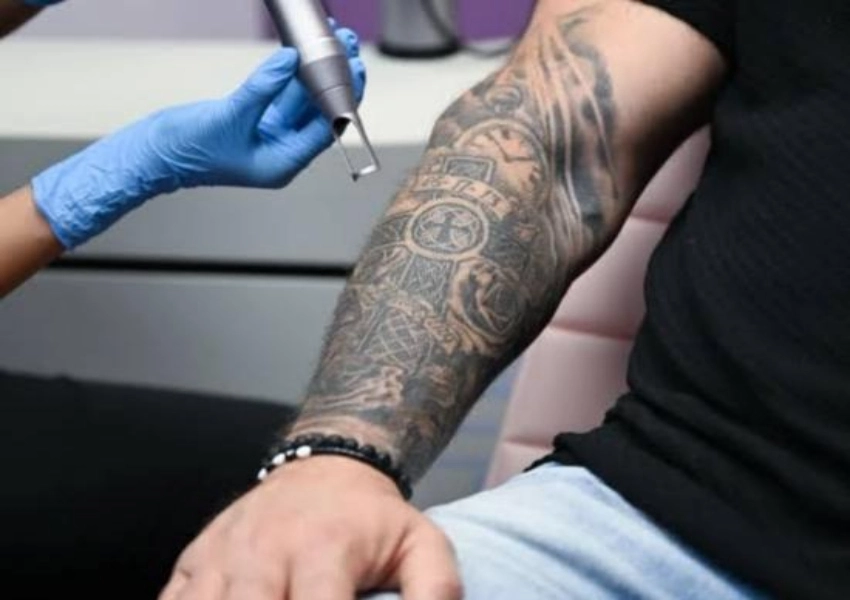
A picosecond laser machine is easy to describe with one impressive number, but distributors cannot build a stable channel around pulse width alone. Tattoo removal buyers ask about visible fading, different ink colors, session comfort, accessory life, training, and whether the same unit can be serviced locally after months of use.
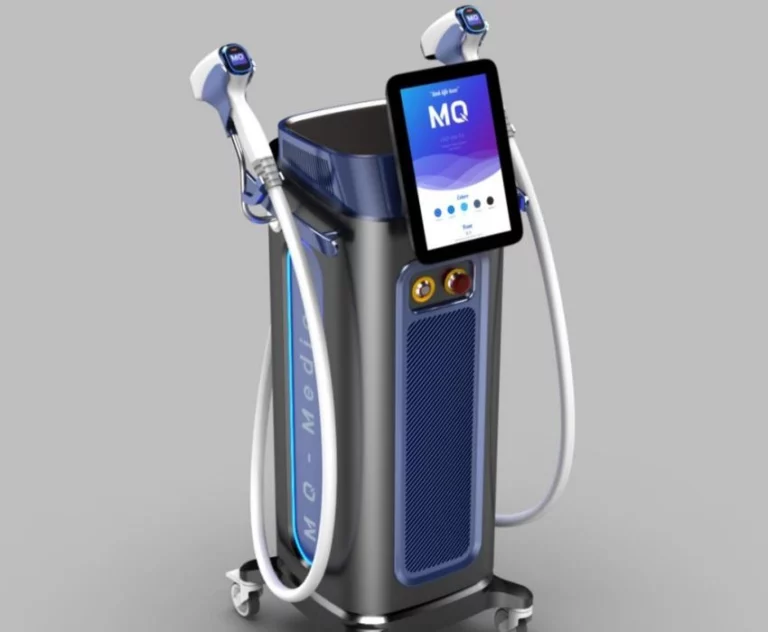
For that reason, a pico laser tattoo removal machine should be compared as a fully working system. DEPELITE is MQLASER’s real picosecond laser platform for pigment and tattoo removal services. Its value comes from the way pulse width, energy, beam quality, wavelengths, arm movement, and self-check design are combined for channel sale.
Pulse Width And Energy Need To Be Compared Together
A short pulse width helps create high peak power, but energy output decides how much work the system can support across different tattoo colors and density levels. The DEPELITE pico laser is built around a 350 ps pulse width. The system supports 1200 mJ and 2400 mJ output references, and energy ranges up to 3000 mJ depending on mode and wavelength.
Distributors should ask which model version, pulse mode, and wavelength configuration are included in the quotation. A tattoo removal laser machine sold to a busy beauty center needs stable output after repeated sessions, not only a strong first demonstration.
DEPELITE also supports SP, PTP, and MP operation interfaces. Single-pulse work gives direct energy delivery for stronger targeted tasks. Dual-pulse planning can feel less aggressive in certain service settings. Multi-pulse options help expand the service menu beyond basic tattoo removal. A distributor should match those modes with training files rather than leaving each reseller to learn by trial.
Beam Quality And Wavelength Range Shape Market Coverage
A picosecond laser manufacturer should explain beam quality in plain equipment language. A uniform spot helps operators deliver more consistent energy across the selected area. DEPELITE uses flat-top beam distribution and a patented one-lamp-two-rod cavity design. Together with a 7-joint arm and high-uniformity light spot, the machine is built to reduce uneven output concerns that can create complaints in service businesses.
Six Optional Wavelengths Give Distributors A Wider Sales Story
A single wavelength limits the customer group that a distributor can serve. DEPELITE can be discussed with optional 1064 nm, 532 nm, 755 nm, 1320 nm, 585 nm, and 650 nm wavelengths. The practical value is simple: tattoo color, pigment depth, and customer expectations vary by market, so a distributor with more wavelength choices can position the machine for a wider range of service packages.
A pico laser tattoo removal machine still needs careful training. Operators should not treat wavelength selection as a color chart only. Spot size, energy, repetition rate, customer skin condition, and service interval all affect the result. DEPELITE’s adjustable 2-10 mm spot size helps staff move between small detailed tattoos and larger areas without changing the core platform.
Reliability Details Matter After Shipment
Distributor risk usually appears after the first batch is sold. A machine that looks good in the showroom can create pressure later if the arm is stiff, the spot is uneven, the accessories wear quickly, or the software does not guide new operators well. DEPELITE addresses several of these points at the equipment level.
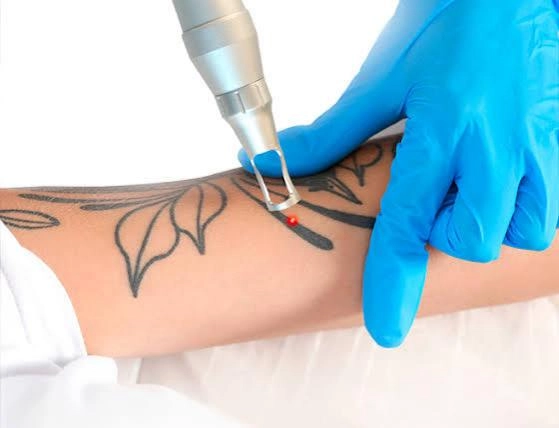
The 7-joint arm supports 360-degree flexible rotation and precise light output without polarization. For daily tattoo removal service, that matters because operators often work around curved areas, small marks, and different body positions. A flexible arm reduces awkward handling and helps maintain a steady working distance.
The built-in self-check function is also important for channel buyers. DEPELITE uses more than 30 detection points for intelligent monitoring. This gives sales and service teams a better starting point when diagnosing device status. Modular design and lower accessory loss can reduce maintenance pressure, especially for distributors that support several cities or dealer stores.
A tattoo removal laser machine should also be judged by its physical and electrical fit. The current DEPELITE product specification lists 110 V/220 V, 50 Hz/60 Hz, 1800 W power, 60 x 110 x 120 cm size, and 110 kg weight. These details affect freight, showroom placement, training room layout, and import planning.
What Distributors Should Ask Before Placing A Bulk Order
A distributor should request a written configuration sheet before confirming a picosecond laser machine order. It should include the exact wavelength set, energy range by mode, spot-size range, arm structure, software language, voltage, accessories, packaging, warranty parts, and training materials. If the sample and bulk unit differ, the difference should be documented before deposit.
When you sell into mixed markets, the same device may need to support a boutique studio, a chain buyer, and a training center demonstration. That makes the quotation more than a price sheet. Ask whether DEPELITE can be supplied with sales photos, operation videos, user-facing menu language, spare part lists, and packaging choices that match your channel. A distributor may also need sample treatment guidance for dark ink, colored ink, and pigment-service add-ons. These details reduce friction after launch and help you compare real project readiness, not only machine specifications.
The supplier side matters here. MQLASER has an experienced R&D team, supports OEM/ODM projects, and invests 15% of annual turnover into new product development. For a distributor, that can turn into practical discussion around interface language, private-label casing, accessory kits, cartons, user guidance, and after-sales files.
Certification files should be checked early as well. DEPELITE is supported by CE and RoHS information in the product materials, and MQLASER product lines also use ISO-related quality documentation. A serious distributor still needs to confirm local import rules, but supplier documentation makes the first review easier.
Compare the wider picosecond laser machine category if the channel sells more than one pigment-service model. A lower-cost device may suit a small beauty studio, while a stronger DEPELITE configuration may fit a distributor that needs wider wavelength coverage, a more stable arm, and clearer technical support. For sample orders, private-label requirements, or training packages, ask for DEPELITE project details before setting the sales launch date.
Conclusion
A good picosecond laser machine comparison is not only about 350 ps. Pulse width, energy output, flat-top beam quality, wavelength options, arm movement, self-check design, and supplier support all affect distributor profit. DEPELITE is built for buyers who need a pico laser tattoo removal machine with enough technical depth to support channel sales, service training, and repeat orders. We covered the technical background separately in this text.
FAQ
Q1: What pulse width does DEPELITE use?
A1: DEPELITE uses a 350 ps picosecond pulse width with energy and mode options that should be confirmed according to the final configuration.
Q2: Why are multiple wavelengths useful for tattoo removal channels?
A2: Different tattoo colors and pigment conditions need different wavelength planning. Optional wavelengths help distributors sell broader service packages.
Q3: Can MQLASER support OEM distributor projects?
A3: Yes. MQLASER supports OEM/ODM cooperation, configuration discussion, training materials, certification files, and after-sales planning for distributor projects.