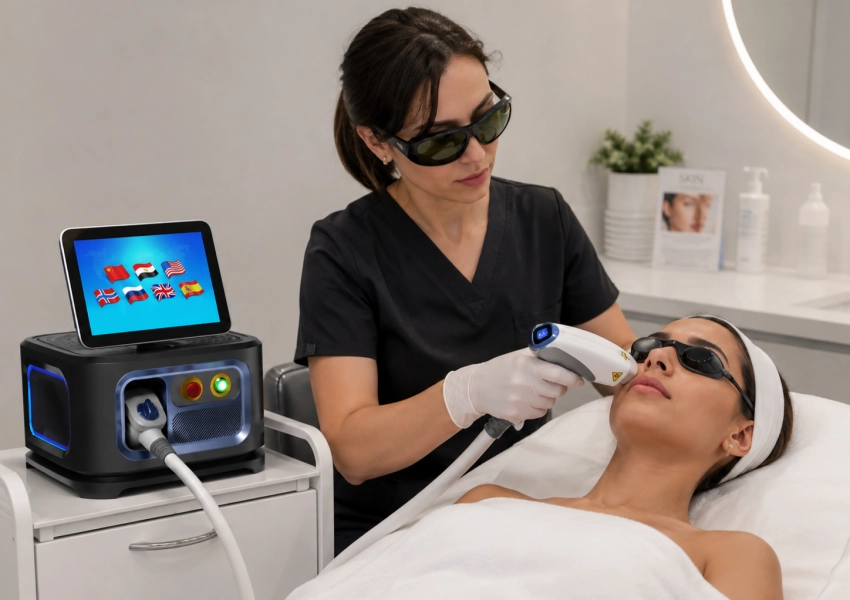
Busy hair removal rooms often judge equipment by speed first. That is fair, but speed becomes expensive when the handpiece runs hot before the day is over. Heat in the applicator slows appointment flow, shortens component life, and makes staff less confident with repeated sessions. For a chain salon or distributor supporting heavy daily use, laser handpiece overheating is rarely caused by one bad setting. It is usually the result of energy demand, contact time, cooling load, water circulation, room conditions, and maintenance habits adding up. A practical buying and operating plan has to deal with all of them.
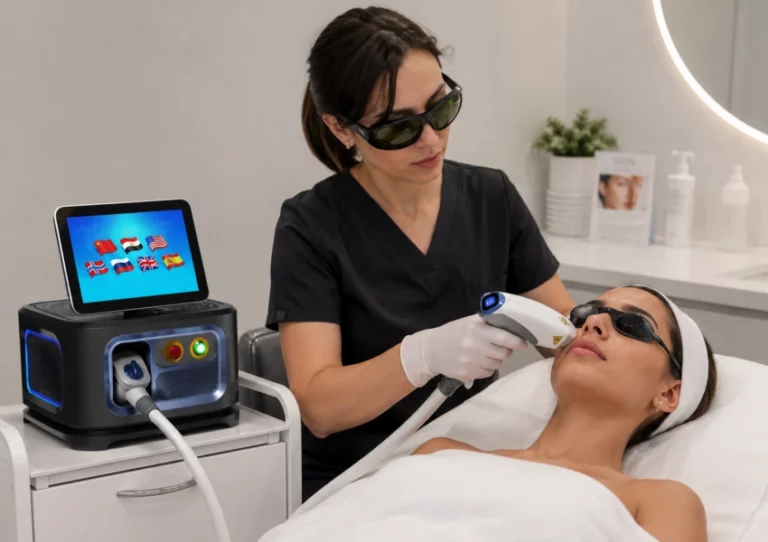
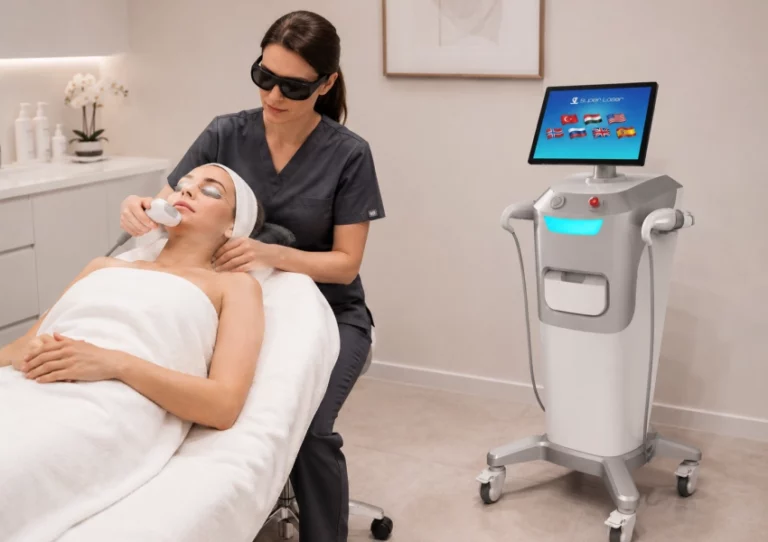
That is why the handpiece should be treated as a working system, not a replaceable accessory. A platform such as SUPLASER gives you four wavelength options, multiple spot tips, real-time cooling control, PULSE and SLIDE modes, and IoT monitoring. Those features are useful only when your team uses them with a clear service rhythm.
Why Handpieces Overheat During Heavy Appointment Blocks
High-volume use changes the heat picture. A handpiece that feels stable during a short demo may behave differently after many back-to-back bookings. Before changing parts, look at how heat is produced and how the machine removes it. Most overheating complaints fall into two groups: settings that load the applicator too heavily, and cooling paths that no longer carry heat away fast enough.
Energy Settings And Contact Time
Diode platforms create heat at the skin contact surface and inside the handpiece. Higher fluence, longer pulse duration, faster repetition, and slow movement all increase thermal load. The issue is not only the number on the screen. A 10 Hz workflow with poor movement can create more stress than a lower-rate pass done with better spacing. When laser handpiece overheating appears near the end of the day, check whether staff have been raising energy to compensate for weak technique, worn contact surfaces, or poor coupling.
Hair removal performance is affected by wavelength, pulse width, energy density, spot size, skin cooling, hair color, hair thickness, and skin tone. This matters for purchasing because the cooling system is carrying more than comfort. It protects output stability while the operator works across different areas and hair conditions.
Cooling Load And Water Path Resistance
The cooling circuit has its own limits. Dust around vents, old filters, low water quality, bubbles in the line, blocked flow, or a warm treatment room can push a handpiece above its normal range. Diode laser handpiece cooling depends on clean heat exchange. If the water path becomes restricted, a strong chiller cannot save the applicator by itself.
For busy rooms, maintenance needs to be scheduled before problems appear. A small drop in cooling performance may not stop the machine in the morning. By afternoon it can show as a hot sapphire, slower recovery, warning messages, or inconsistent operator feedback.
Use SUPLASER Settings To Lower Heat Stress
Equipment features help only when they match the service pattern. SUPLASER is built for varied hair removal work rather than one fixed routine. Its four wavelengths, 755 nm, 808 nm, 940 nm, and 1064 nm, let you select energy behavior for different hair and skin-type requirements. The goal is not to run every case at maximum output. The better target is stable speed with a handpiece temperature that stays predictable.
Choose The Right Spot Tip
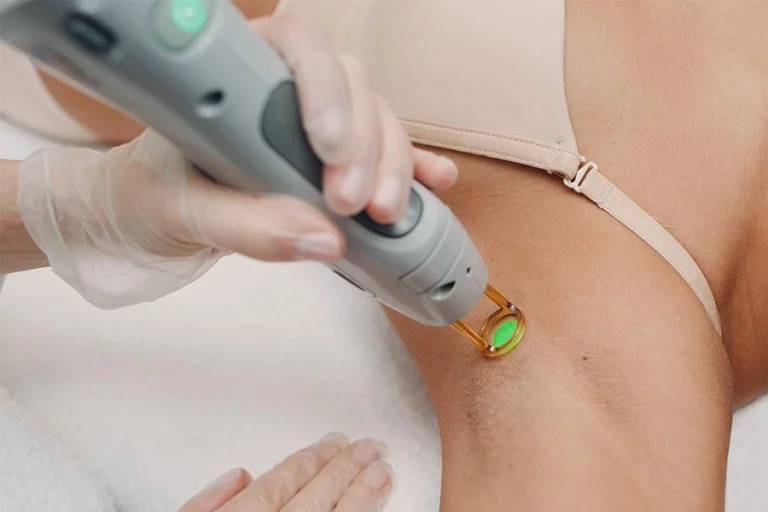
Spot size changes both coverage and heat concentration. SUPLASER offers seven tips: 12 x 12 mm, 12 x 12 mm, 12 x 20 mm, 12 x 28 mm, 12 x 34 mm, 4 x 4 mm, Φ8 mm, and Φ10 mm. Large pads help with legs, back, and other broad areas, but they need smooth movement and sufficient cooling recovery. Small tips are better for detail work where repeated passes over a compact area can otherwise trap heat.
A high-volume salon equipment plan should map tips to service menus. Broad-area services can use larger contact sizes for coverage. Detailed areas need smaller tips and more controlled timing. That simple discipline often reduces unnecessary handpiece stress more than lowering energy across every service.
Use PULSE And SLIDE Modes With Intent
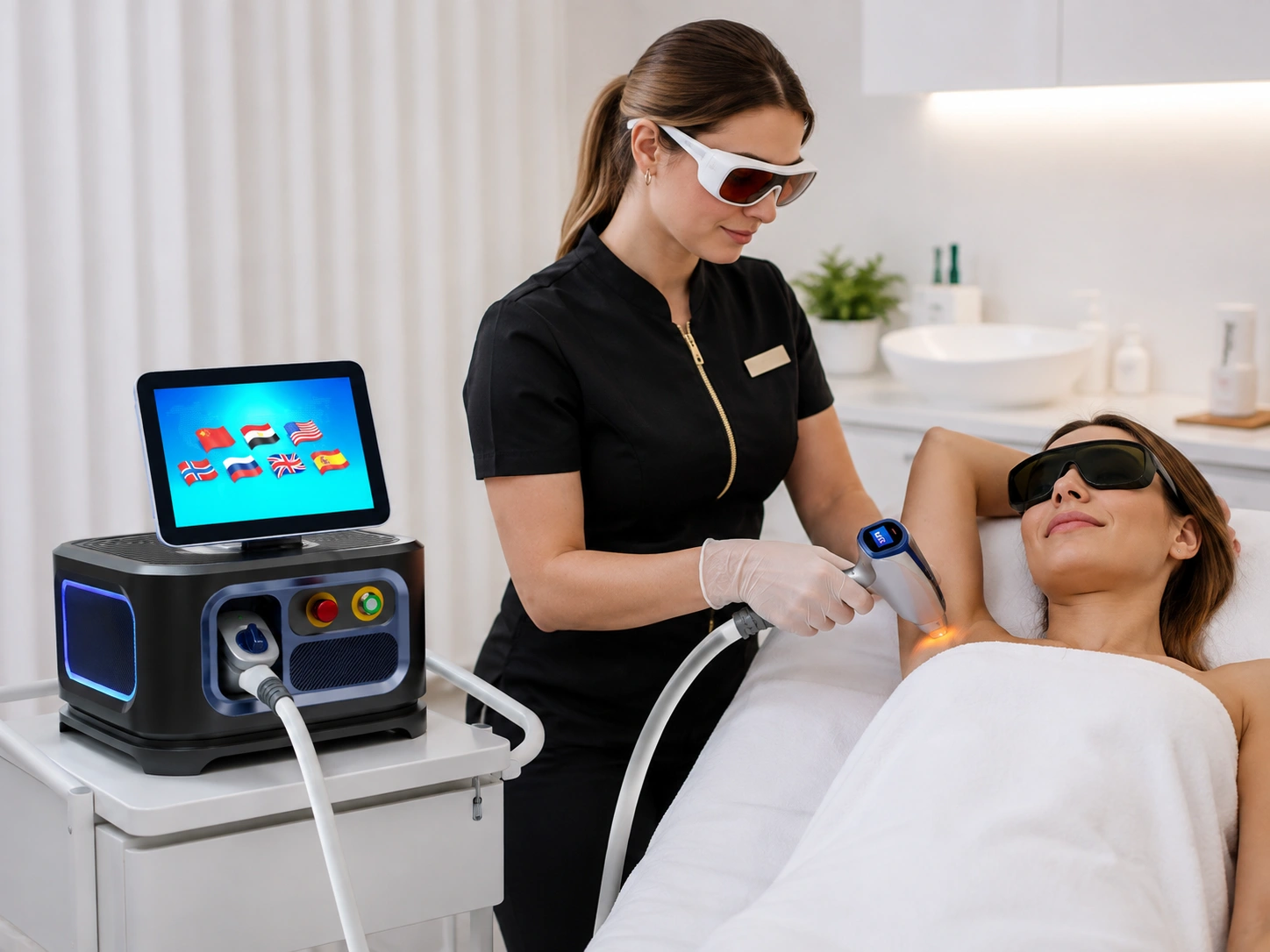
PULSE mode helps staff place energy with deliberate spacing. SLIDE mode supports faster movement over larger areas. Neither mode is automatically safer for heat. SLIDE can be efficient when the operator keeps motion steady; it can also overload the contact surface if movement slows. PULSE can control placement, but repeated static shots over the same small area still build temperature.
The diode laser hair removal machine category is often chosen for this balance of penetration, melanin absorption, speed, and surface cooling. In daily operation, the best result comes from matching wavelength, pulse width, repetition rate, contact pressure, and movement pace rather than relying on one specification.
Maintenance Routines That Protect Handpiece Life
Laser hair removal machine maintenance should be short, visible, and owned by the team. Long checklists tend to be ignored during busy weeks. A good routine focuses on the points that directly affect heat: vents, water level, water quality, filter condition, applicator window, cable strain, and warning history.
Daily Checks Before The First Booking
Start with a cold machine check. Confirm water level, listen for abnormal pump noise, and let the cooling system reach its normal range before the first client. Inspect the sapphire or contact window for residue because films left on the surface affect contact and heat transfer. Clean it with approved materials only. Aggressive wiping or unsuitable liquids can damage coatings and create a new heat problem.
Room conditions count as well. If the device sits near a wall, under hot lighting, or in a poorly ventilated room, cooling performance drops. Staff should leave space around vents and avoid covering the machine with towels, packaging, or treatment supplies.
Weekly And Monthly Maintenance Discipline
Weekly checks should include filter cleaning, hose inspection, and review of error logs. Monthly checks can include water replacement where required, deeper dust removal, and verification that the handpiece cable has not been bent sharply near the connector. If a distributor manages multiple sites, the same maintenance sheet should be used across all locations. It makes service calls faster because the technician can compare actual habits, not only reported symptoms.
SUPLASER’s real-time cooling system monitors applicator temperature 1,000 times per second. That kind of monitoring is valuable for heavy salons because it makes temperature behavior part of equipment management. It also supports better conversations between operators, managers, and service teams when heat warnings appear.
Supplier Support Matters After The Machine Arrives
A salon buying for one room may focus mainly on comfort and unkeep. A distributor or chain buyer has a wider risk: spare handpieces, training consistency, service response, documentation, and repeatable settings across branches. The supplier must be able to support the machine after the first shipment.
MQLASER’s experienced R&D team and OEM/ODM service are relevant here because heat control often depends on the details around the platform: tip configuration, software parameters, casing design, accessory supply, and after-sales documentation. The company invests 15% of annual turnover into new product development, which helps keep cooling design and service functions moving with market needs. CE, ISO, and RoHS certifications also give distributors a clearer compliance base when planning regional sales.
For buyers comparing MQLASER with other suppliers, ask for setting guidance, warranty scope for handpieces, recommended maintenance intervals, and service training materials. If your business sells multiple energy-based beauty devices, the broader aesthetic equipment portfolio can also help you keep training and spare-part coordination under one supplier relationship.
Conclusion
Reducing laser handpiece overheating is not a single adjustment. It starts with realistic daily throughput, then moves into setting discipline, tip selection, room setup, cooling-path care, and supplier support. SUPLASER is a strong fit for busy hair removal services because it combines four wavelengths, seven tips, monitored cooling, PULSE and SLIDE modes, and IoT functions. For salons and distributors, that combination is most valuable when staff maintenance habits are as serious as the purchase decision.Continue reading our another guide.
FAQ
Q1: What usually causes laser handpiece overheating?
A1: Common causes include high energy load, slow movement, restricted water flow, dirty filters, poor ventilation, old water, and residue on the contact surface.
Q2: How often should a busy salon check diode laser handpiece cooling?
A2: Do a quick check daily, clean filters weekly, and review water quality, hose condition, and warning logs monthly.
Q3: Can SUPLASER support high-volume salon equipment needs?
A3: Yes. SUPLASER combines four wavelengths, multiple spot tips, real-time cooling monitoring, PULSE and SLIDE modes, and IoT functions for busy service schedules.