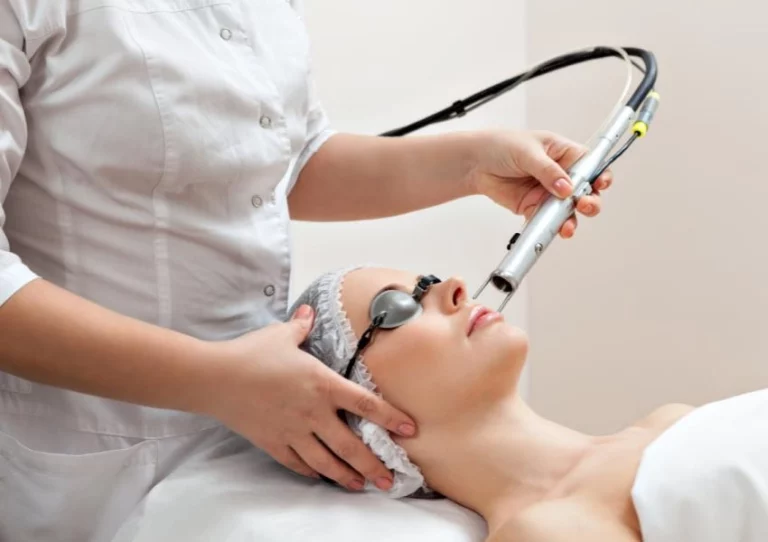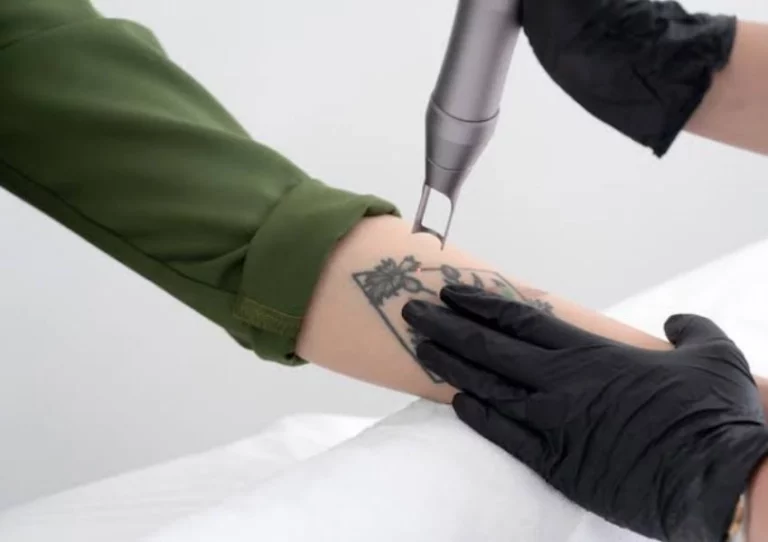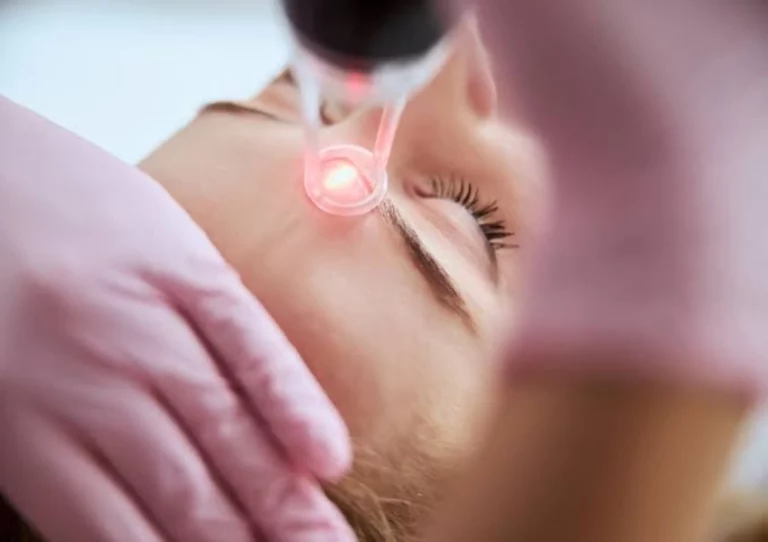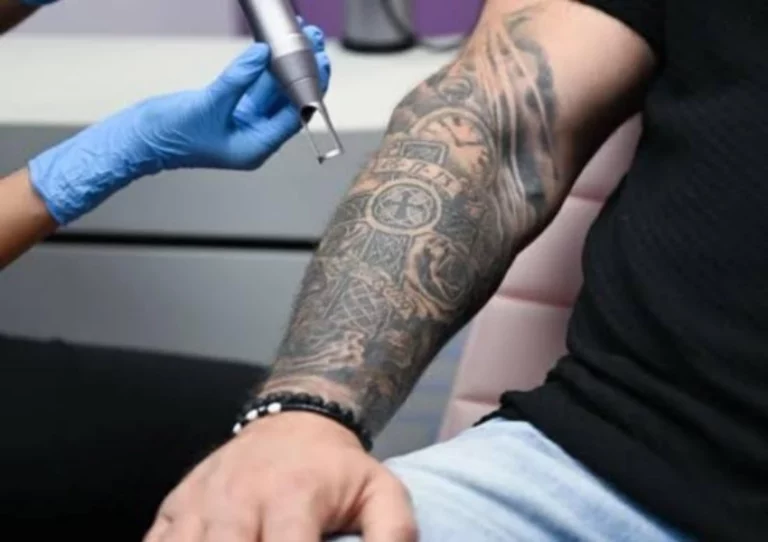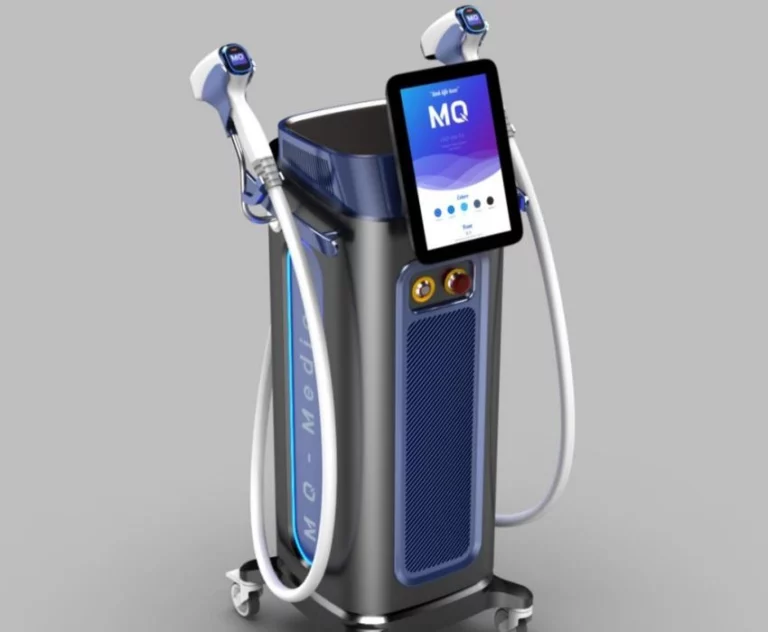
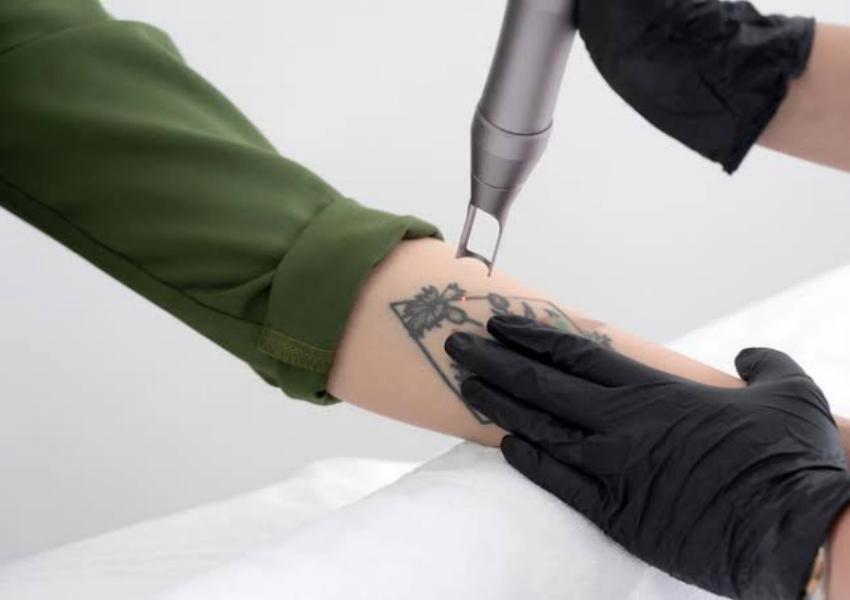
A picosecond laser purchase is rarely about one famous name. A clinic, salon chain, or distributor has to match the service menu, pigment cases, operator training, maintenance plan, and budget. That is why the comparison between Cynosure PicoSure Pro and MQLASER DEPELITE should stay practical. Cynosure PicoSure Pro is widely recognized in the premium picosecond segment. DEPELITE is positioned by MQLASER as a real 350ps picosecond laser machine for tattoo and pigment work, with multi-mode output and customizable wavelengths.
The better choice depends on the market. A flagship dermatology-style center may prefer a globally known premium platform. A beauty equipment distributor or aesthetic clinic may need a Cynosure PicoSure alternative that offers useful performance, more flexible customization, and easier cost recovery.
What Picosecond Technology Should do in Tattoo and Pigment Work
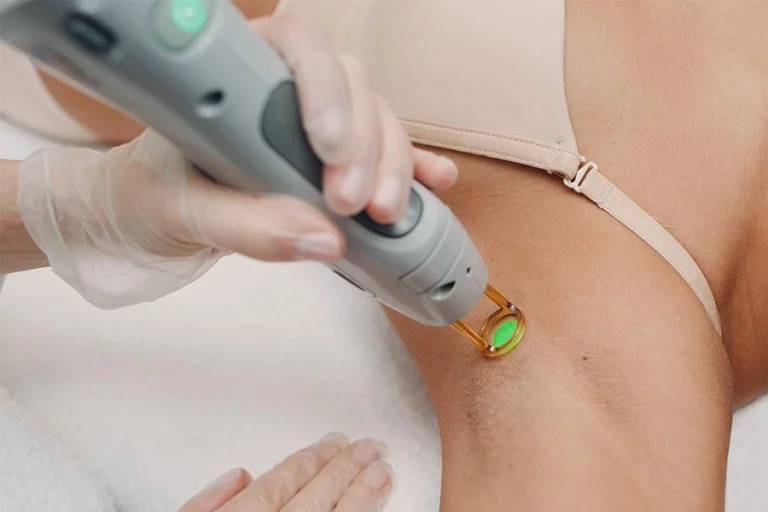
Picosecond devices act through extremely short pulse widths and high peak power. When the pulse width is shorter than the acoustic relaxation time of pigment particles, energy becomes a mechanical wave that breaks pigment into very small fragments. Less heat diffusion is the point. For tattoos, permanent makeup, freckles, and mixed pigment concerns, that can mean a cleaner pathway for fading over multiple sessions.
Short Pulse is Useful Only When the Beam is Controlled
A picosecond laser machine still needs even energy distribution. DEPELITE has 350ps pulse width, 1200mJ/2400 mJ energy output in the MQ-I platform, flat-top beam distribution, and a patented one-lamp-two-rod cavity. It has 1064 nm and 532 nm as standard wavelengths, with 755 nm, 1320 nm, 585 nm, and 650 nm as customized options. These details give DEPELITE a clear technical story for pigment removal laser services.
| Device factor | Cynosure PicoSure Pro | MQLASER DEPELITE |
| Market position | Premium branded picosecond platform with strong recognition. | Factory-backed picosecond platform aimed at clinics, salons, and distributors. |
| Wavelength planning | Known for picosecond pigment and tattoo applications; exact setup depends on configuration. | 1064nm and 532nm standard, with 755nm, 1320nm, 585nm, and 650nm customization options. |
| Energy modes | Designed for high-end pigment and tattoo protocols. | SP, PTP, and MP modes, with single pulse, dual pulse, and long pulse energy ranges on the product page. |
| Service fit | Best for buyers prioritizing brand recognition and premium positioning. | Best for buyers balancing performance, customization, cost, and supplier cooperation. |
Where DEPELITE Competes Strongly
DEPELITE is not positioned as a copy of a premium competitor. It has its own buying logic. Single pulse energy of 50-1200 mJ at 1064 nm and 20-600 mJ at 532 nm, dual pulse energy of 300-2400 mJ at 1064 nm, and a long pulse mode for rejuvenation-style services. It also has a 7-joint arm imported from South Korea, uniform light spot distribution, a 2-10 mm adjustable light spot, modular maintenance, and a self-check function.
For buyers building a service menu, those points are practical. Black, blue, red, brown, cosmetic tattoo, freckles, age pigment, and deeper pigment work may need different wavelengths, spots, and energy behaviors. No machine removes every case in one session. The business value comes from having a device that lets trained staff build structured programs without confusing clients or overpromising speed. In that setting, the pigment removal laser has to support realistic package planning, not just impressive launch marketing.
Why a PicoSure Alternative May Be a Better Business Fit
A PicoSure alternative makes sense when the buyer needs a lower barrier to purchase, faster distributor rollout, private-label options, or a machine that can be discussed directly with the manufacturer. MQLASER has been established since 2010 in Beijing and has R&D, production, sales, and training services. It also has 1V1 after-sale service, product training, customizable appearance design, and certifications including FDA, NMPA, Medical CE, RoHS, and ISO13485.
For distributors, this can be the deciding point. A local sales team may need cabinet color changes, regional training files, faster spare-part communication, and a price point that allows channel margin. Those needs are not glamorous, but they decide whether a picosecond laser machine can move beyond one showcase unit into repeated orders.
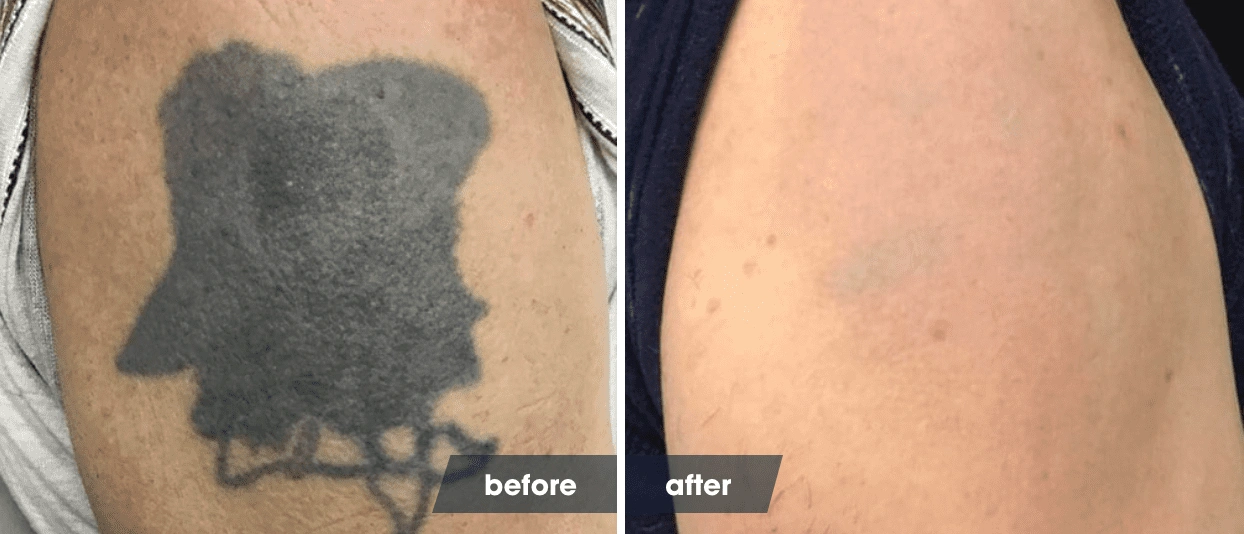
Cost, Customization, and Cooperation Matter After Delivery
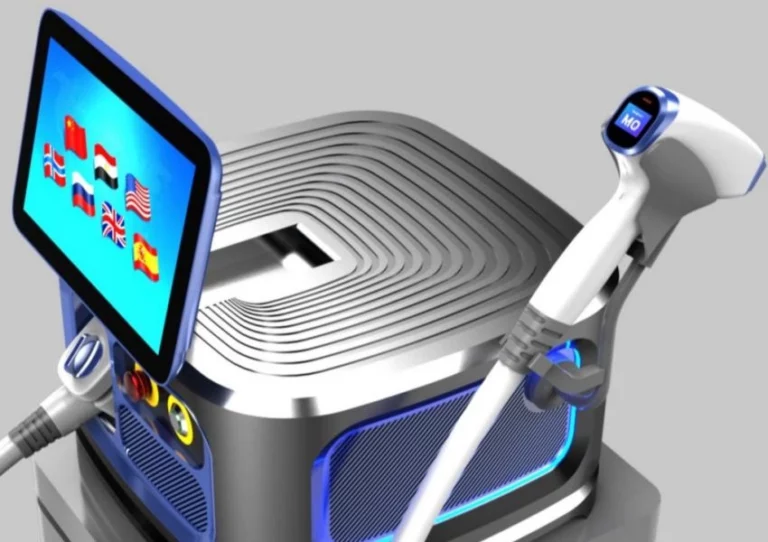
In equipment buying, the hardest problems often begin after installation. A clinic may need new parameter guidance, parts support, handpiece questions, language settings, distributor materials, or operator training. A premium brand may offer strong market trust, but the purchase can be less flexible for smaller buyers. DEPELITE gives MQLASER more room to support appearance customization, market adaptation, and product training, especially for distributors building regional sales.
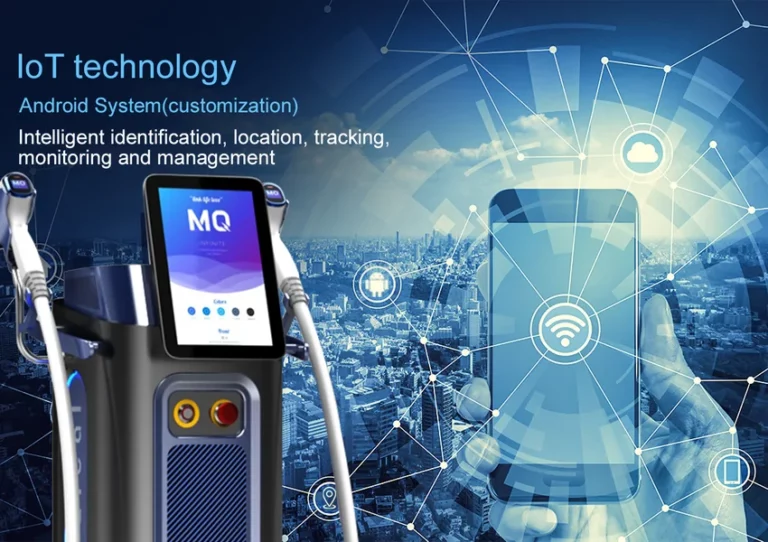
The purchase should also consider how fast a team can become confident with the device. A premium machine may carry strong recognition, but it still needs local service knowledge. DEPELITE’s self-check function, modular process, adjustable light spot, and preset treatment suggestions are useful because they reduce everyday confusion. For a growing clinic, fewer small uncertainties can mean smoother appointment flow and fewer service interruptions.
| Buying factor | Cynosure PicoSure Pro | MQLASER DEPELITE route |
| Customization | Usually more standardized; strong brand control. | More room for appearance, market package, and distributor cooperation. |
| Cost-performance | Higher brand value, often higher investment pressure. | Designed as a cost-effective picosecond laser machine with practical functions. |
| New technology cooperation | Structured corporate support, but less flexible for small changes. | Direct factory communication around modes, wavelengths, and service materials. |
| Market flexibility | Strong fit for premium clinics with brand-led positioning. | Stronger fit for buyers needing a PicoSure alternative with wider channel options. |
How to Decide Between the Two Platforms
The first decision is service positioning. If the business model depends on a globally recognized name and premium room pricing, Cynosure PicoSure Pro may justify its cost. If the business model needs several units, private-label sales, flexible training, and a quicker payback window, DEPELITE deserves serious attention. A buyer should compare warranty terms, consumables, training, spare parts, software language, wavelength options, spot quality, and realistic session planning.
The second decision is pigment mix. For a tattoo removal laser comparison, the buyer should list the most common ink colors and skin tones in the target market. 1064 nm is commonly used for darker tattoo colors and deeper pigment; 532 nm is commonly used for red and some superficial pigments; 755 nm, 585 nm, and 650 nm options may matter when the market sees more blue, green, or mixed cosmetic pigments. The DEPELITE gives more product context around treatment modes and system design.
A Practical RFQ Checklist
Before ordering, ask for real machine configuration, standard and optional wavelengths, pulse width, spot size range, energy modes, cooling and maintenance needs, training plan, certificate copies, and after-sales response time. Ask the supplier to explain what is included in the quote and what must be purchased later. For buyers comparing MQLASER aesthetic devices with premium imported platforms, the cleanest choice is usually the one that fits service demand and cash flow at the same time. A pigment removal laser should be judged by output stability, staff usability, and post-sale cooperation as much as by brochure language. Continue reading our another guide.
FAQ
Q1: Is DEPELITE the same as PicoSure Pro?
A1: No. They are different platforms. This comparison focuses on buying fit, service use, customization, and cost-performance rather than claiming equivalence.
Q2: Can DEPELITE support multi-color tattoo services?
A2: DEPELITE lists 1064 nm and 532 nm standard wavelengths, with customized 755 nm, 1320 nm, 585 nm, and 650 nm options for wider pigment planning.
Q3: Who should consider DEPELITE?
A3: DEPELITE picosecond laser suits buyers needing a picosecond laser machine with flexible configuration, factory support, and manageable investment. For exact options, contact MQLASER support.