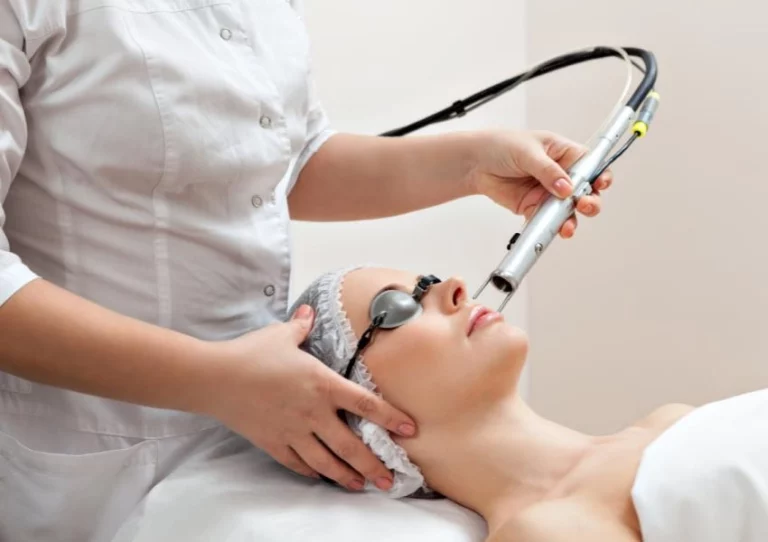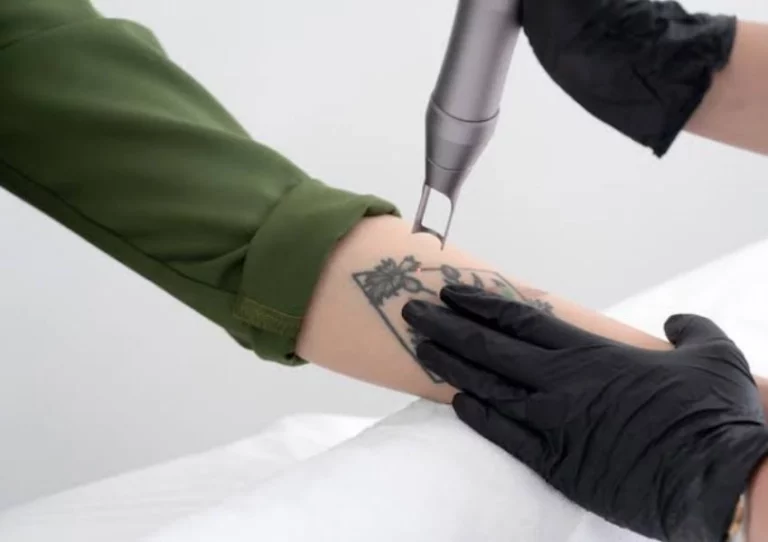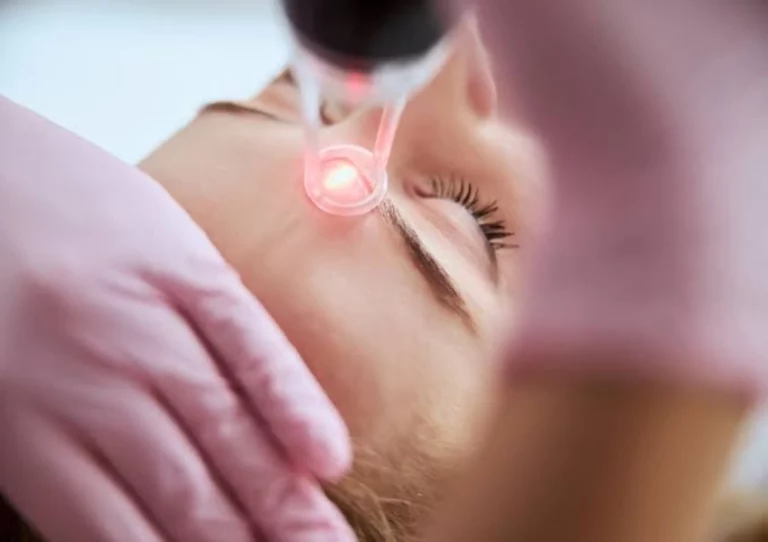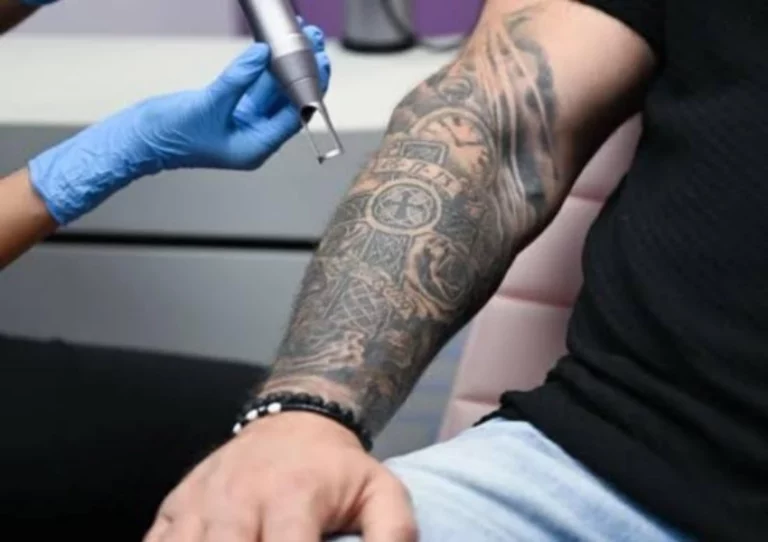
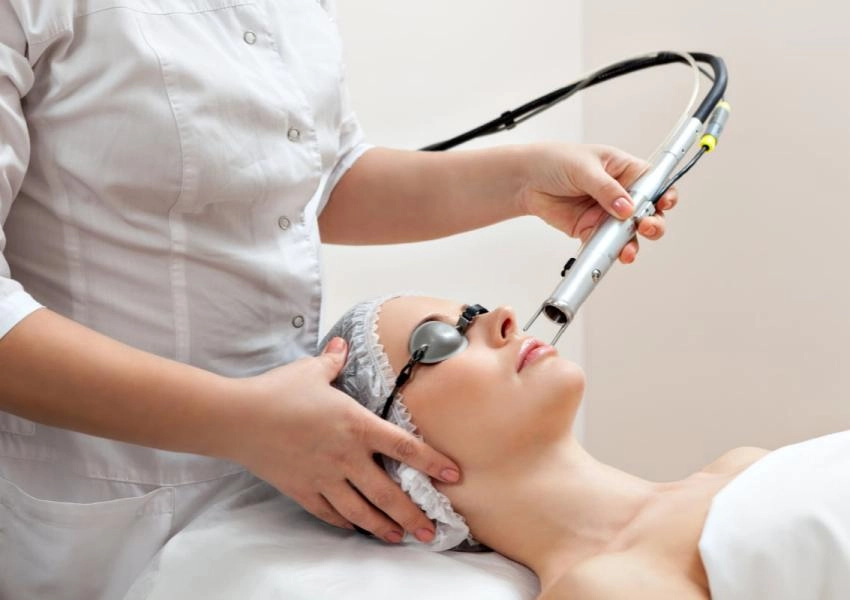
A CO₂ laser purchase often looks simple on the quotation sheet. Two systems may share the same treatment menu, similar cabinet styling, and a familiar promise around resurfacing, scars, wrinkles, and skin texture. The real difference sits deeper, inside the laser source. An RF tube CO₂ laser and a glass tube CO₂ laser do not age, cool, or hold beam quality in the same way. That difference affects service flow long after the first delivery.
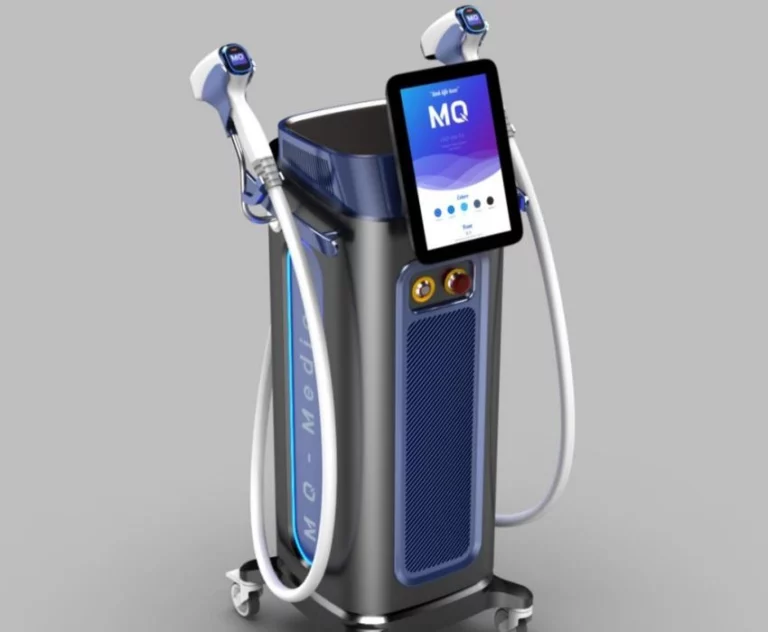
For a clinic, distributor, or beauty equipment buyer, tube choice is not a small parts question. It shapes downtime, maintenance calls, user confidence, and repeatable results. DEPPLUS is positioned as a stationary fractional CO₂ laser machine with RF-excited metal tube and glass tube options, three working modes, sequence/random/continuous/ultra-pulse scan modes, and a fractional system that splits the beam into tiny treatment zones. Those details matter because CO₂ procedures depend on controlled heat, not raw power alone.
Why the Laser Tube Decides the Real Cost of Ownership
A low starting price can make a glass tube CO₂ laser attractive. The problem shows up later. Glass tubes rely on high-voltage excitation inside a sealed glass cavity. Heat control is harder, tube life is shorter, and power can drift as the gas mixture ages. A metal RF tube laser uses radio frequency excitation inside a stronger metal and ceramic structure. Heat moves away from the source more cleanly, and the output is usually more stable over long daily use.
The First Invoice is Only One Part of the Budget
The CO₂ laser tube lifespan affects tube replacement, technician visits, calibration time, and cancelled appointments. A small center with occasional procedures may tolerate a simpler glass tube setup. A busy skin resurfacing or scar revision business usually feels the cost of weak stability much faster. If the beam changes during the first year, the operator has to work more cautiously, adjust parameters more often, and explain uneven service capacity to clients.
| Factor | RF tube CO₂ laser | Glass tube CO₂ laser |
| Excitation method | Radio frequency excitation; lower stress on the sealed source. | High-voltage DC excitation; more heat and electrode wear. |
| Cooling style | Often air-cooled or simpler heat control, depending on model design. | Usually depends on water cooling and more cooling checks. |
| Beam behavior | More stable spot quality and repeatable output over time. | Output may drift as gas quality and tube condition change. |
| Typical buyer fit | Busy clinics, distributors, premium service rooms, long-term operators. | Entry-level buyers with lighter use and strong service access. |
Beam Stability Matters More Than Headline Wattage
CO₂ energy works by absorption in water-rich tissue. The manual for the CO₂ system records a 10.6 micrometer wavelength and warns that output up to 30W can cause serious burns if handled incorrectly. A higher power label has limited value if the beam profile is inconsistent, the spot becomes fuzzy, or the operator cannot trust the same setting from one appointment to the next.
A fractional CO₂ laser machine should create planned micro-zones instead of heating the whole surface. MQLASER has vaporized ablated zones, coagulation zones, and heat-effect layers and the need to reduce coverage when depth increases because heat can build up. This is where an RF tube CO₂ laser makes a practical difference. Stable beam quality supports cleaner fractional dots and steadier scanning, while a glass tube CO₂ laser may need more frequent checks as it ages.
This is also why experienced buyers rarely judge CO₂ systems by cabinet design alone. A machine may look modern, but if the tube, scanning logic, and handpiece movement do not work together, the operator spends too much time compensating. Better equipment feels quiet in daily use. Settings are easier to repeat, staff trust the response, and service rooms avoid unnecessary pauses between appointments.
DEPPLUS and Daily Operator Confidence
The fractional CO₂ laser has a 7-joint arm, 360-degree movement, a fine spot, and a metal RF source aimed at long service life. It also has fractional, cutting, and vaginal working modes, plus sequential, random, continuous, and ultra-pulse scan modes. In a real service room, those functions are useful only when output remains predictable. Smooth arm movement and saved parameters help staff work faster, but the tube must keep pace with that workflow.
When a GlassTube CO₂ Laser Still Makes Sense
Not every buyer needs the same build. A glass tube CO₂ laser can be acceptable when the purchase is for training, occasional use, a price-sensitive market test, or a location where local tube replacement is quick and inexpensive. It can also fit distributors selling to customers who clearly accept shorter replacement cycles. The risk begins when the buyer sells premium resurfacing services but chooses a source that behaves like a consumable.
The better question is not whether glass is always wrong. The better question is whether the business model can absorb maintenance interruption. If a service room runs only a few sessions per week, downtime may be manageable. If a center depends on acne scar packages, texture repair, or repeat skin resurfacing, a stronger metal RF tube laser usually protects the schedule better.
How DEPPLUS Changes the Supplier Comparison
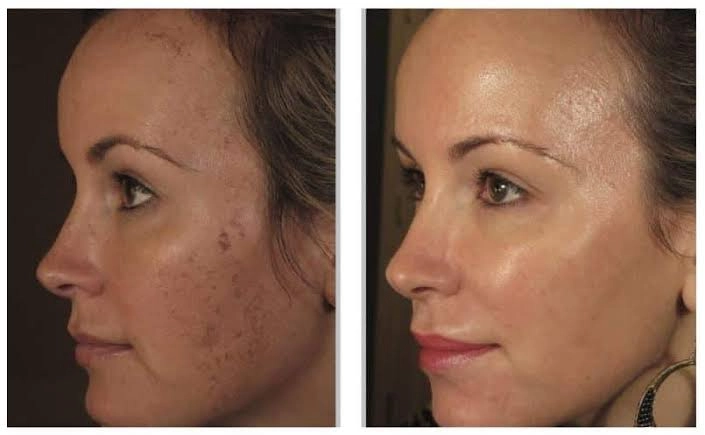
MQLASER presents DEPPLUS as a CO₂ system for skin resurfacing, scar revision, acne scar regeneration, assisted incisions, and optional gynecology work. It also has 1V1 service and product training. These service details should be checked together with the tube type. A stable machine still needs training, consumables guidance, spare parts, and clear operation rules. A lower-priced unit without support can become expensive once the first fault appears.
Useful Checks Before Ordering
A buyer should ask for tube type, rated service life, cooling method, available scan modes, standard handpieces, optional handles, warranty terms, and training format. It also helps to ask how the supplier handles calibration after shipping. CO₂ equipment is sensitive to installation and operator habits. A clean quotation should say more than wattage and machine weight.
The final check is expected daily. If the machine supports only occasional resurfacing, a lower-cost glass tube CO₂ laser may still fit the budget. If the service menu depends on repeated scar revision, acne scar regeneration, and texture work, the steadier RF tube CO₂ laser becomes easier to justify. The decision should match booking volume, staff skill, and local service access. If you are also wondering more, our article answers that.
FAQ
Q1: Is an RF tube CO₂ laser always better than a glass tube CO₂ laser?
A1: Not always. RF tubes suit higher use and stricter stability needs. Glass tubes may fit lighter use, training, or price-sensitive buyers.
Q2: What matters most for CO₂ laser tube lifespan?
A2: Tube design, cooling, operating load, transport handling, and service support all matter. Long life is most valuable when the machine is used daily.
Q3: Where should DEPPLUS fit in a clinic purchase plan?
A3: DEPPLUS fits buyers who want a stable fractional CO₂ platform for resurfacing, scar work, and long-term service growth. More product details are available from MQLASER or the contact team.