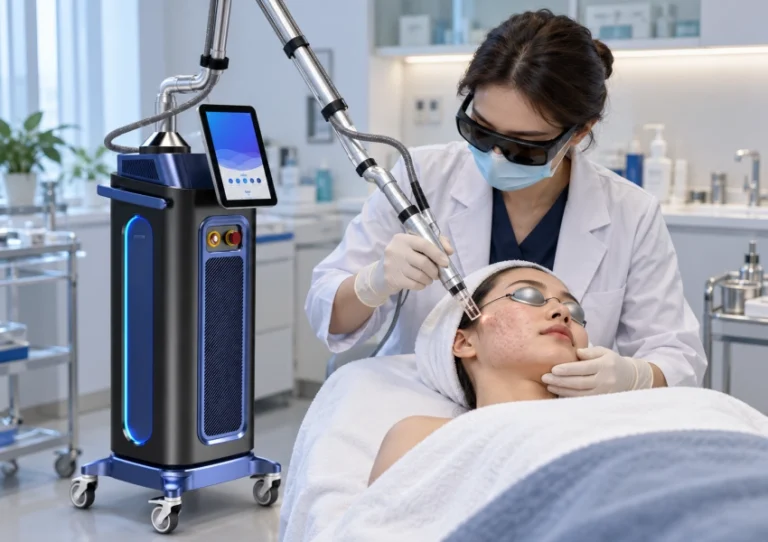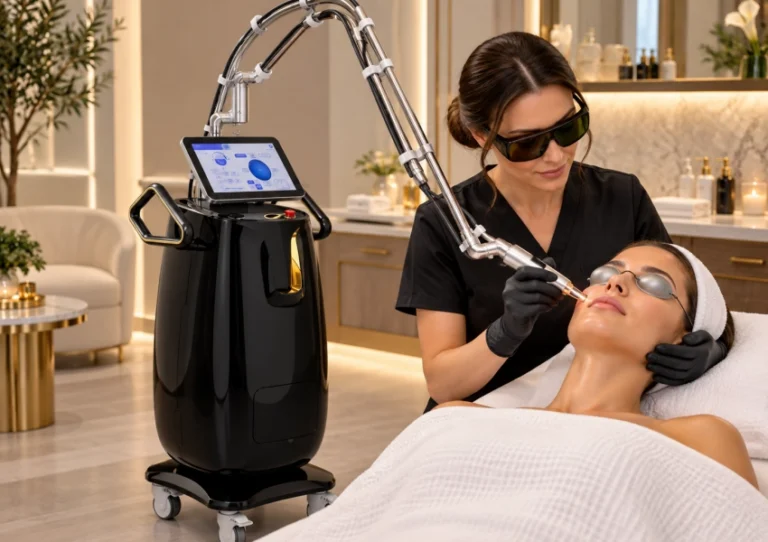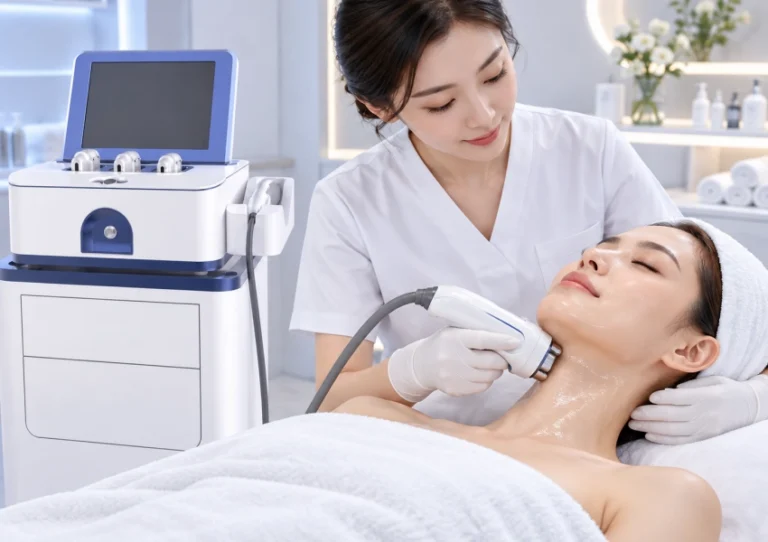
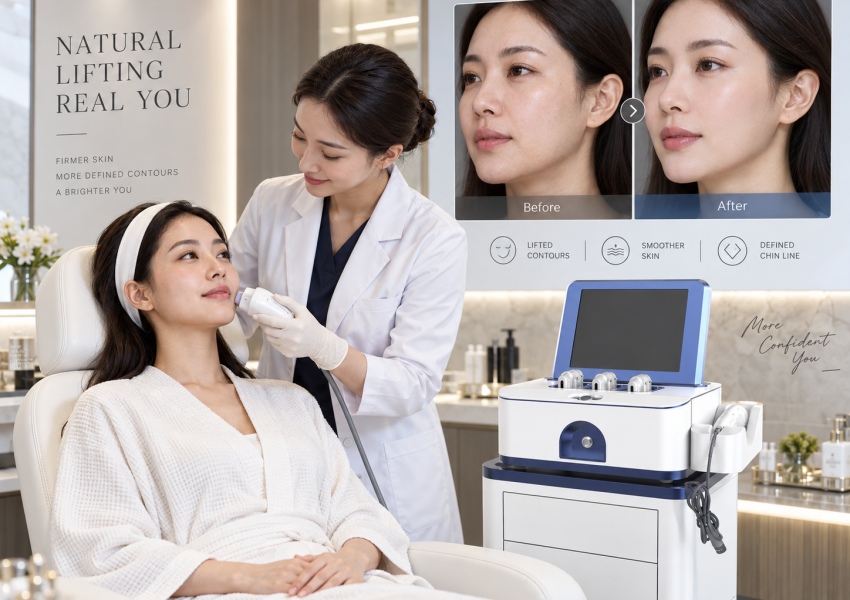
HIFU and RF microneedling can also appear on a skin tightening menu. They may both be found in the same skin-tightening menu (HIFU + RF microneedling). However, they do not all generate precisely the same appointment; for example, HIFU is usually chosen with targeted energy at exact depths. On the other hand, RF microneedling provides variable depth of needle penetration as it applies radiofrequency directly into the dermis. A clinic trying to weigh up HIFU vs RF microneedling will have start with the laxity pattern, texture downtime operator skill and then go through the service chart.The HIFU machine path may work for a face contouring protocol where the purchaser requires cartridges at multiple depths and sites.
Match the Energy Layer to the Visible Concern
HIFU is where you focalize acoustic energy at certain deep. In real world service scheduling clinic might vary from cartridge to cartridge of the forehead, than in both back corners/cheeks and jawline + neck or other body area. This relies on the implemented system and local protocol. Before selecting a cartridge, the consultation should map concern, tissue thickness (thin/thick), contour of the face and treatment goal. Thus, cartridge availability is both a purchasing cost as well as an issue with clinical workflow.RF microneedling penetrates skin using adjustable needles that emit radiofrequency energy at the level you chose. Unlike HIFU, the mechanical needle action and thermal delivery improve your service experience. It is usable for texture, pores, early laxity and fine lines and selectively in the acne scars pathways The settings for needle depth, energy, pulse mode, type of needle and spacing must be consistent to the area in question as well as how trained the operator is.
HIFU Assessment and Cartridge Planning
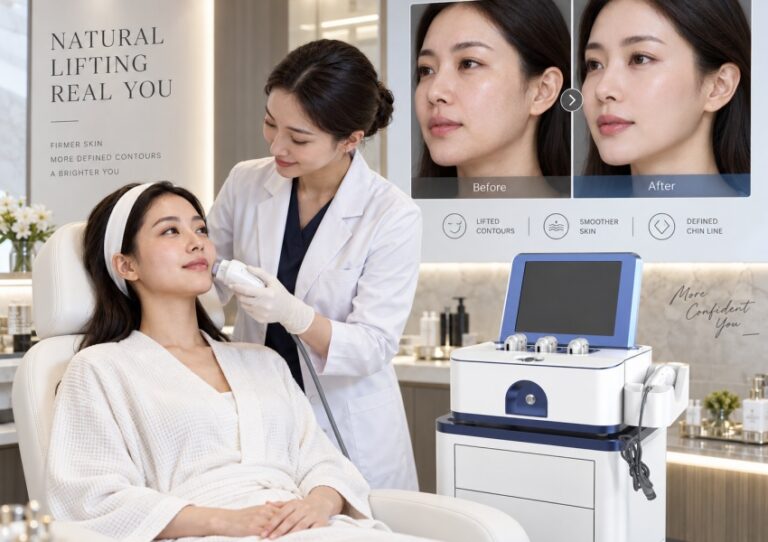
A HIFU appointment should not begin with a cartridge box. Review facial laxity, contour changes, tissue thickness, treatment area, sensitivity, previous energy procedures, and the client’s tolerance for a focused sensation. Mapping matters because line placement affects coverage and symmetry. The record should show cartridge depth, number of lines or shots where applicable, area treated, client sensation, and follow-up interval.
The clinic should also plan cartridge inventory. A face-and-neck program may use a different set from a jawline-only service. A body application may require another depth. Count expected shots per service, wastage, delivery time, and replacement policy. A low machine price can become a poor purchase if the cartridge mix does not match booked services or if a key depth is unavailable.
RF Microneedling Assessment and Needle Planning
RF microneedling needs another consult. Status of skin, inflammation activity, and older pigment change can abound in other cases under treatment—inflamed areas preceding to form a thicker stratum corneum at every therapeutic use history—healability, scarring inclination, and Latin region hyperactivity inquiries used. The operator has to choose texture, pores, mild laxity, or scar plan. Needle depth should not be selected due to deeper sounds being more powerful. It must represent the target layer, area, skin condition, and supplied device protocol. The procedures usually consist of cleansing, prep, protection for the eyes if necessary, device arrangement with an appropriate needle cartridge/passes management (passes type are managed either according to PI or TI), and infuse aftercare. Track depth, RF energy, needle size and type, and pulse or duration used pass by pass overlap once in the cooling or comfort support. Some mild redness, some swelling, and you may see small pinpoint minor bleeding or tiny scabs. It is because of this that the clinic has to have a clear aftercare sheet and review route.
Area selection changes the practical technique. A cheek can usually be divided into orderly zones. The nose, jaw edge, and areas close to the eyes require more deliberate access and conservative handling under the device protocol. The operator should keep a consistent pattern. They should avoid unplanned repeat passes and note where the cartridge was changed or treatment was paused. This makes later review more useful because a patchy response can be compared with coverage and settings rather than attributed vaguely to the device.
The Patient Experience Is Part of the Product
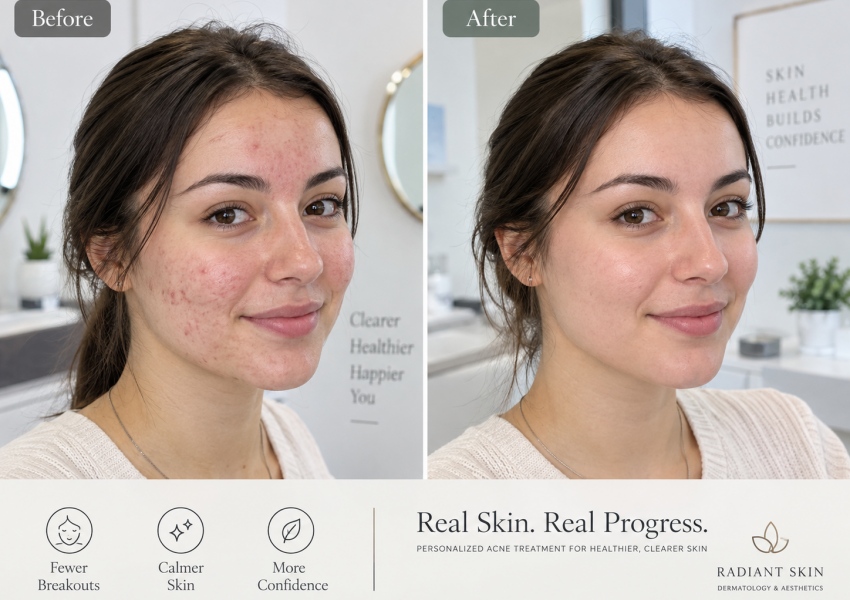
HIFU can cause some short, focused feelings during the delivery of lines. Only minimal wear on the surface when running under protocol. RF microneedling is a more visibly procedural appointment because needles are penetrating the skin and there may be some redness or pin-prick marks on the surface of your skin. Absolutely avoidable dissatisfaction with marketing that presents both as no-downtime services. Detail sensation and visible reaction, job, and social timing plate review. HIFU also requires careful mapping and depth selection as well. A staged approach may be permitted within the protocol of a responsible professional.
| Clinical factor | HIFU pathway | RF microneedling pathway |
| Energy delivery | Focused ultrasound at selected depths using cartridges | RF delivered through adjustable microneedles at selected depths |
| Common menu focus | Laxity, contour, face-and-neck programs | Texture, pores, fine lines, mild laxity, selected scar pathways |
| Visible recovery | Often limited surface disruption, but sensation and delayed response vary | Redness, swelling, pinpoint bleeding, and small scabs may occur |
| Consumable logic | Cartridge depth and shot/line capacity | Needle cartridge type, depth, passes, and replacement cost |
Turn the Comparison Into a Business Workflow
HIFU is usually structured this way, then with longer periods broken between sessions for contouring or lifting. RF microneedling is more of a natural fit for texture, pores, or mild laxity courses. The time between sessions is based on recovery skin. Look at consultation time, consumables used, staff time taken per client care pathway step (each appointment for each individual), and how long does a room stays free between patients and help them to call you back with any questions. The HIFU category is helpful for contrast of cartridge and platform. For RF microneedling, the RF micro-needle category is what you want to check to see what formats are available. These should include cartridge depth, shot or line, needle left/right options (standard), energy range or cooling/comfort features for the specific model, as well as warranty details and training/spare-parts support here too. Some may require a specific composition when placing an order or asking for R&D and other OEM/ODM capacity from MQLASER. MQLASER is a starting point for product and supplier queries. If you would like to learn more, please read this article.
Choose the Platform That Fits the Menu
The saturation of requests for TEXTURE, enlarged pores/mild laxity, and acne-scar appearance at a clinic meant that RF microneedling is potentially the path more easily paved. Some clinics use both. However, that built-in plan must be incremental as all the time and never cyclical—performing periods of up-and-down power compounding endlessly with no narrative. A realistic demonstration including the site and detail of cartridge or needle choice, duration and sensation during treatment, as well as operator fatigue consuming consumable used, also needing some follow-up workload. Look at the entire hire term, not just firing time. The best HIFU vs. RF microneedling is that, when staff attended the treatment itself, are supplied with a comprehensive explanatory post-care sheet to further explain your health and safety management systems to patients upon leaving.
| Buyer and workflow factor | HIFU machine | RF microneedling machine |
| Training | Mapping, cartridge selection, line placement, depth planning | Needle depth, energy, pulse, overlap, skin assessment |
| ROI inputs | Cartridge cost, shots per service, appointment time, service price | Needle cost, staff time, course completion, aftercare workload |
| Purchase checks | Available depths, shot count, cartridge supply, warranty | Needle options, energy control, cooling, alarms, training |
| Best fit | Contour-focused service menu | Texture and skin-quality-focused service menu |
FAQ
Q1: Is HIFU always more suitable for tightening?
A1: No. HIFU and RF microneedling work through different delivery methods and fit different concerns, depths, and recovery preferences.
Q2:How many HIFU cartridges should a clinic buy?
A2:Base the number on booked service types, shots per session, lead time, storage rules, and replacement availability.
Q3:Can HIFU and RF microneedling be combined?
A3:They may be staged in a broader plan, but timing and suitability should be set by trained professionals.