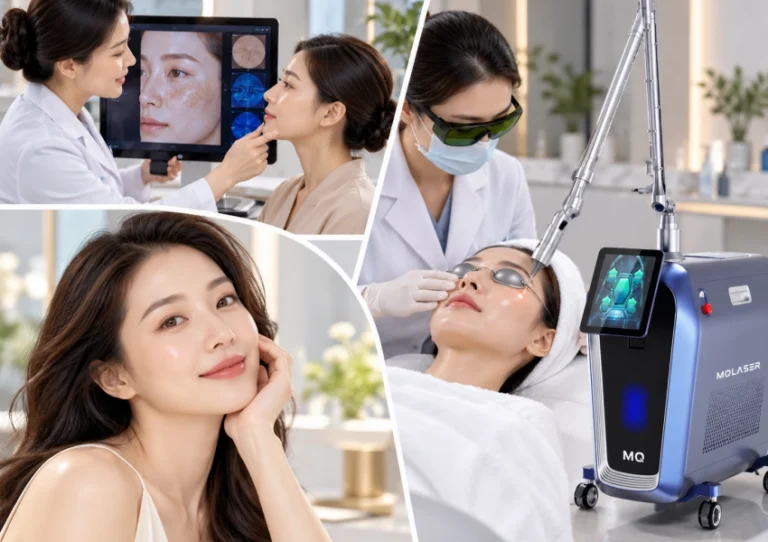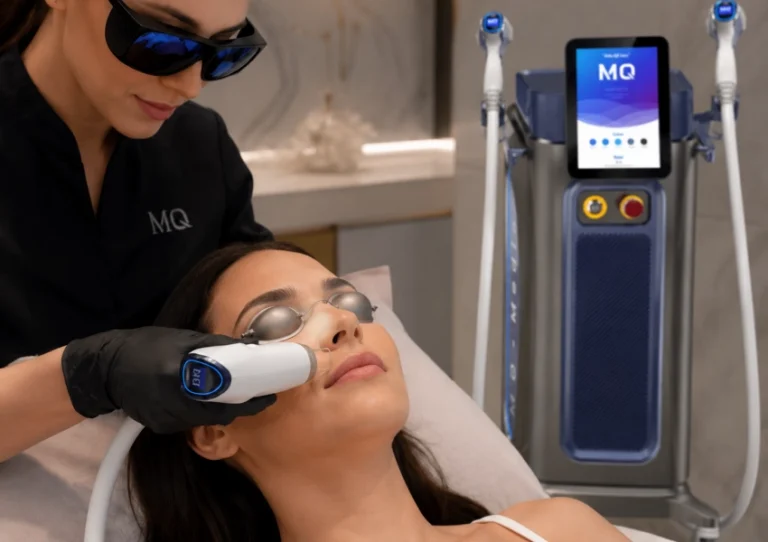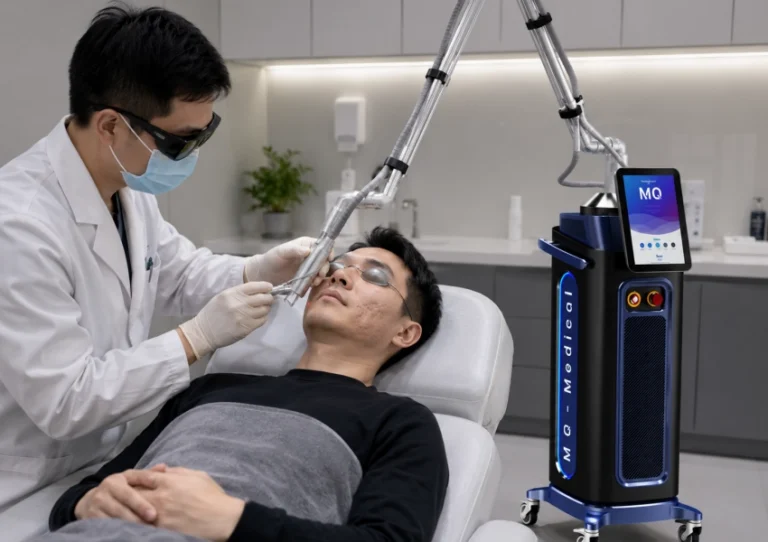
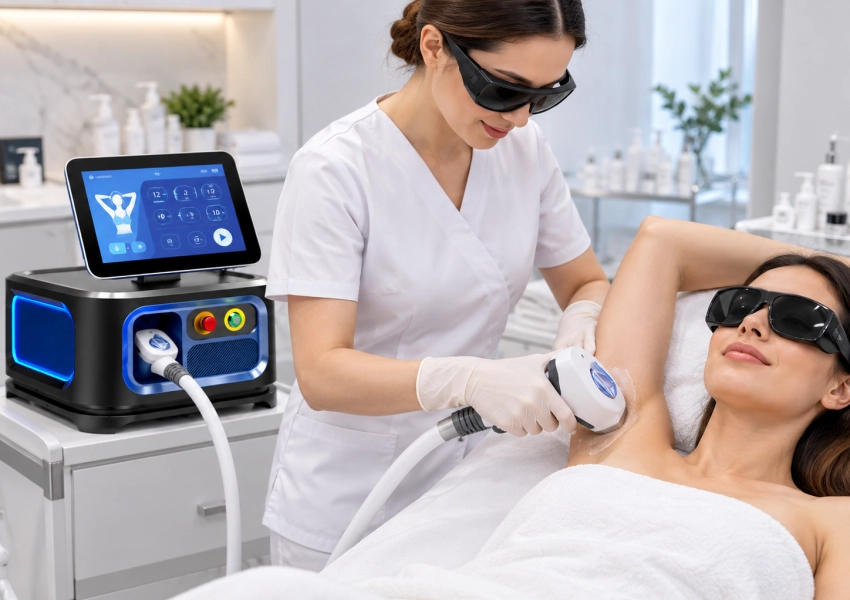
When looking for a hair removal laser for your clinic, you likely start by researching the different models of single-wavelength diode lasers. You probably find one that gives you good results and then wonder if a 4-wavelength diode laser would not be an obvious step forward. However, someone has to explain to your clients how this new laser is going to change their treatments. More channels do not automatically mean safer, more effective, or faster treatments. The type of hair and the type of skin, the amount of energy that is administered, the type of cooling that is used, and the technique of the operator all play a huge role in determining the potential of a hair removal laser.
| Comparison factor | Single-wavelength diode | Four-wavelength diode / SUPLASER reference |
| Configuration | One wavelength can simplify training and service documentation; exact output depends on the model | 755/808/940/1064 nm |
| Patient coverage | Best suited to a defined skin and hair profile | May broaden planning for mixed profiles, but does not remove candidacy limits |
| Operational demand | Fewer channel choices can reduce selection errors | Needs wavelength-specific protocols, records, and staff competency |
| Supplied device data | Model-specific power, spot, cooling and pulse data must be requested | Up to 1200 W, 25 kg body, and seven tips listed in the supplied material |
The Wavelengths Solve Different Problems, Not Every Problem
The SUPLASER 4 wavelength diode laser is a hair removal laser that is listed with 4 wavelengths of 755 nm, 808 nm, 940 nm, and 1064 nm. The maximum power of the laser is up to 1200W. There are 7 tips that can be used with the laser, and the portable unit weighs only 25 kg. The information supplied regarding this laser does not indicate whether all 4 wavelengths are used at once, one at a time, or if they are delivered in some other manner. Information regarding the operation of a specific device should be taken from the device’s specification sheet, the manufacturer’s website, and the device’s marketing material rather than from assumptions that are made regarding the model name or model number of the laser.
A Large Leg Treatment Exposes the Practical Differences
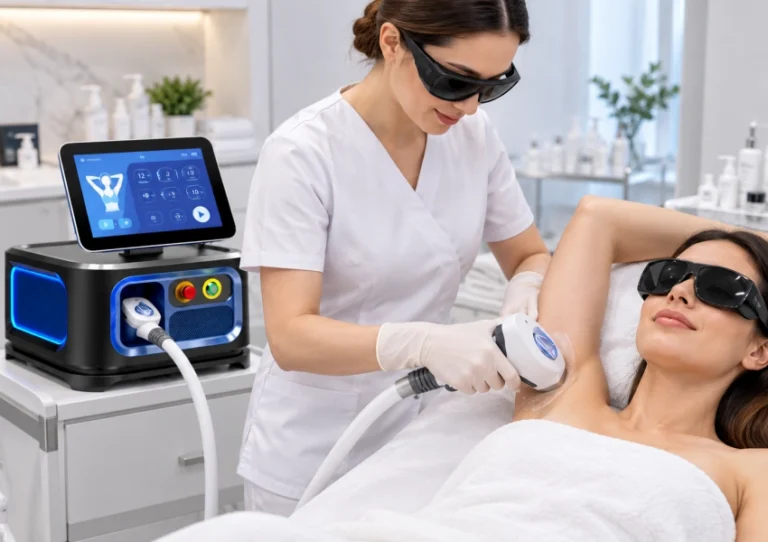
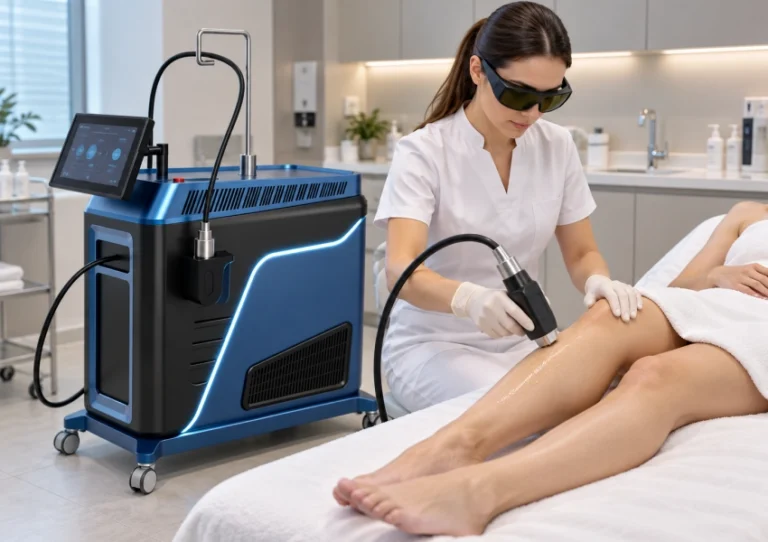
A handpiece that feels precise on the upper lip may be tiring when used over the legs or back. Broad areas demand even coverage and dependable cooling through long runs of pulses. Around a knee, underarm or bikini-line contour, access and overlap matter more than raw coverage. During a supervised demonstration, the team can observe whether the available tips actually suit these different shapes. The question is not how many wavelength choices appear on the screen, but whether staff can use the required one consistently without constantly interrupting the treatment.
Records help show what the additional options accomplish. The clinic should be able to link the wavelength and tip to the chosen pulse duration, fluence, cooling setting, skin response and treatment area. Later follow-up adds another part of the picture: whether treatment was tolerated, how the hair responded and whether the same protocol is practical at the next visit. Those notes matter especially when several operators share the machine, because a broad settings menu gives inexperienced staff more room to make a poor choice.
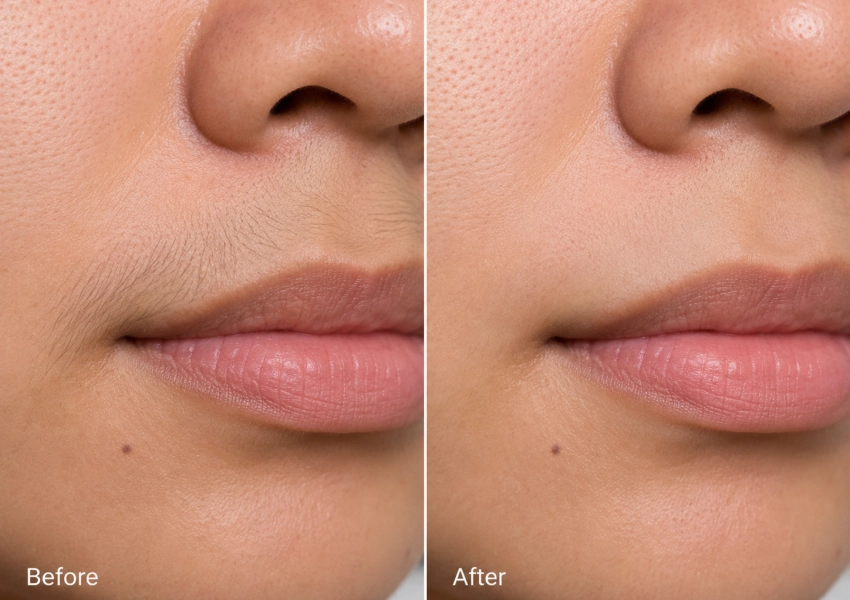
A 1200 W Headline Does Not Describe Skin-Level Delivery
Maximum power is easy to print in large type. It is much harder to interpret without knowing the fluence available at the treatment window, pulse duration, repetition rate and spot dimensions. Nor does a large spot always help. It may reduce placements over a back, yet feel cumbersome near a curved jawline or a small treatment zone. Beam uniformity and the relationship between pulse timing and the selected spot are more useful comparison details than peak power in isolation. These figures should be taken from the delivered unit’s technical documentation.
Cooling is equally dependent on the actual setup. SUPLASER has air, water, TEC and compressor cooling methods, but the important observation is whether the tip remains consistent through an extended treatment block. Poor contact, an unstable tip temperature or a cooling fault can change both comfort and risk. Staff must follow authorized settings, particularly with darker or recently exposed skin. Unexpected blistering, whitening, persistent redness or pain out of proportion to the expected response warrants stopping the procedure and clinical assessment. A cool handpiece cannot compensate for an unsuitable treatment parameter.
When the Simpler Machine Earns its Place
When you have a stable client base, then a single-wavelength diode laser in a supported model may be the best option. Although having four wavelengths on offer is more persuasive when you have different types of patients and you have the protocols in place and supervision for your staff, the extra numbers on the display do not in themselves make the purchase more worthwhile. A trial needs to replicate the work that you intend to do with the machine, and so you need to look at small and then broader treatment areas using representative patient types—all treated by trained operators using the equipment in the authorized manner.
Note and compare the time spent changing tips, stabilizing the cooling system, and setting up the room, as well as the actual treatment time for each of the patient types. For patient assessment purposes, delayed observations and follow-up treatment response are crucial—immediate skin changes do not in themselves provide adequate evidence of the long-term treatment effectiveness. You can get a good feel for the ergonomics and workflow of a particular machine in a showroom demonstration, but this in no way guarantees superior clinical results to other models on the market. Make sure that the sample device you trial and the shipping unit are identical. When obtaining a written quotation from SUPLASER, make sure that the written specification includes all of the wavelengths that you will be delivered, the number and types of tips included, the software version, and the power output ranges, as well as the warranty period and where you can find local language documents for the MQLASER equipment and training that you require.
A multi-clinic distributor needs to ensure that the company provides consistent calibration, training, accessories, and servicing across all locations—the written brochure descriptions are not enough to guarantee this. Look at your existing appointment book to get a reality check on how you work and see if almost all of your treatments are already using one particular treatment protocol. If so, then the extra wavelengths on offer will probably go unused. It is the varied skin and hair types on your patients that create a good case for the extra channels, and this must be balanced against safe use by your staff.
A supervised trial of changing the tips, maintaining sustained cooling, cleaning the contact area, and dealing with any faults would replicate your clinic’s workflow and show you whether or not your staff can keep using the machine between appointments. The maximum output of a laser is advertised, but of far greater interest is the actual treatment time per patient. Clinic groups should look at their existing treatment records by phototype, treatment area, laser channel used, length of time of treatment, and follow-up response, and these will highlight any unused options as well as any lack of staff training on the use of the various channels. Although SUPLASER now offers a portable four-wavelength model, the case for its purchase will still need to be carefully addressed in light of the specifications actually delivered and the clinic’s workload. If you would like to learn more, please read this article.
FAQ
Q1: Is a four-wavelength diode necessarily better than a single-wavelength system?
A1: No. Broader choice helps only when approved settings, cooling, trained operators and the patient mix justify it.
Q2: Does SUPLASER deliver all four wavelengths at the same time?
A2: Four wavelengths are listed, but the exact delivery architecture must be checked for the quoted unit.
Q3: Can diode laser treatment remove white or gray hair?
A3: Usually not reliably. White and gray hairs contain little melanin, the main target for conventional laser hair removal.