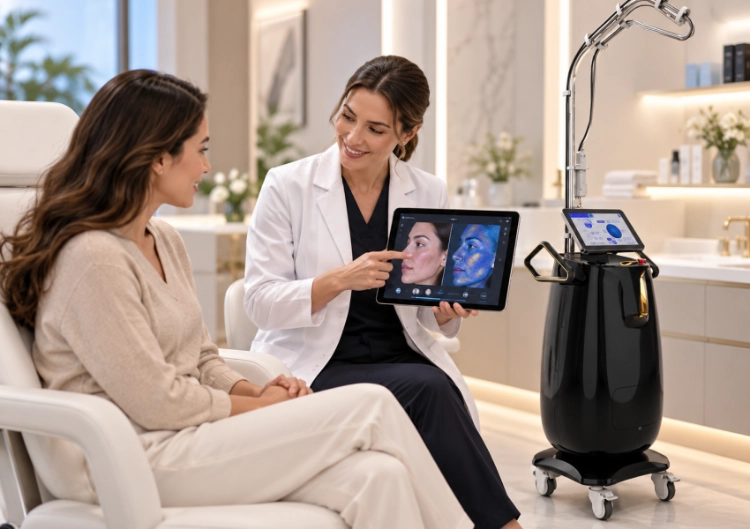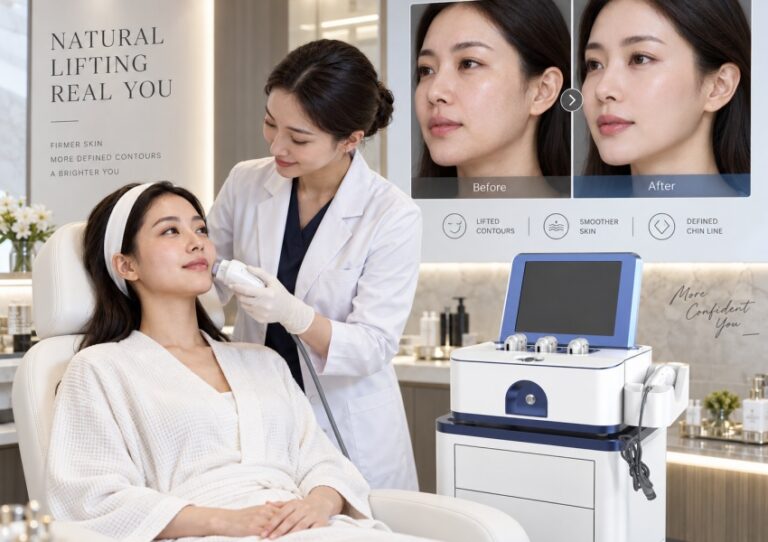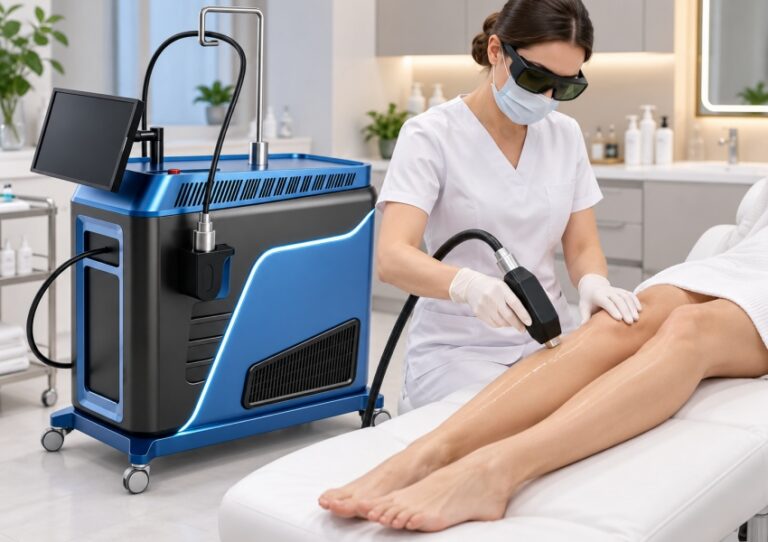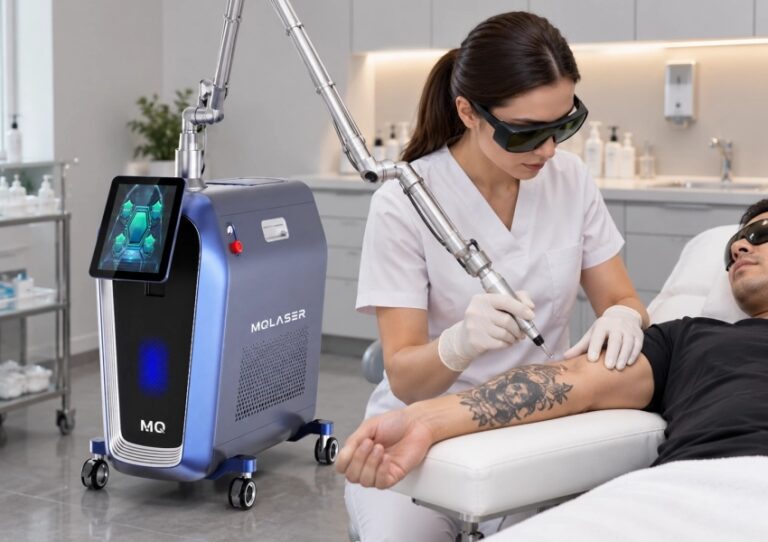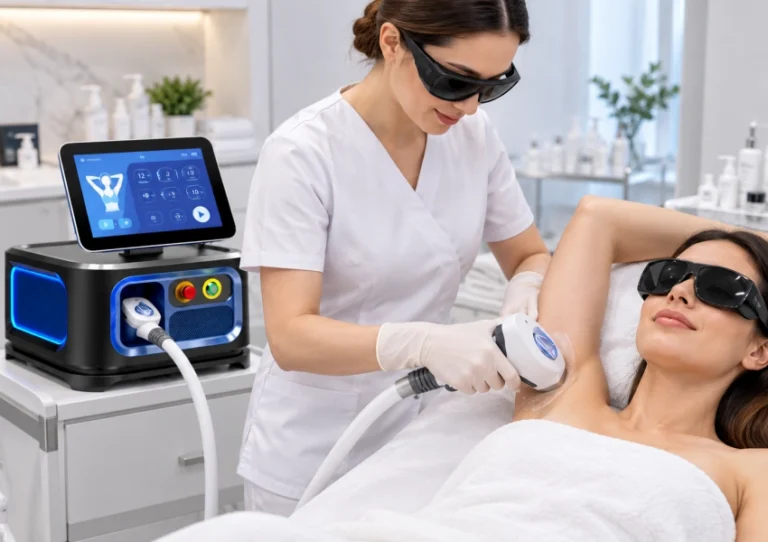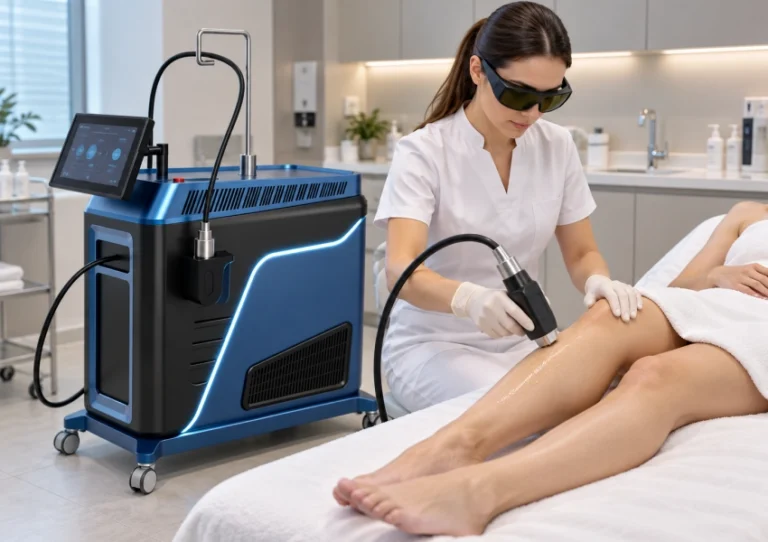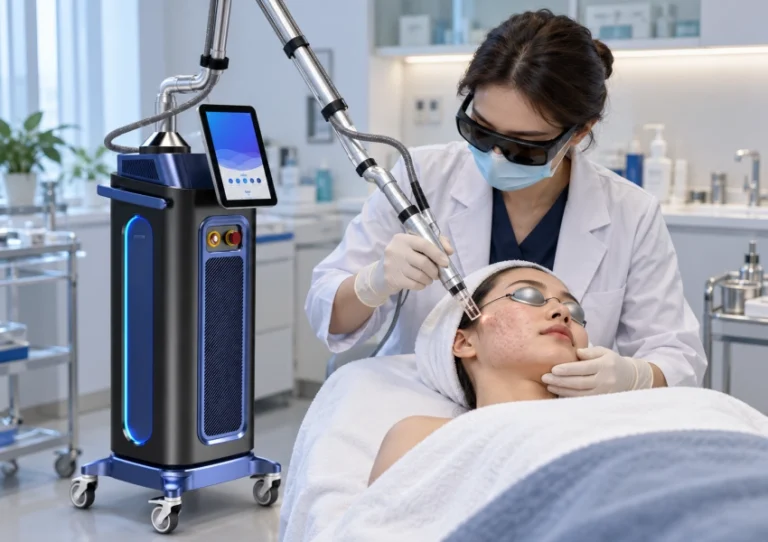
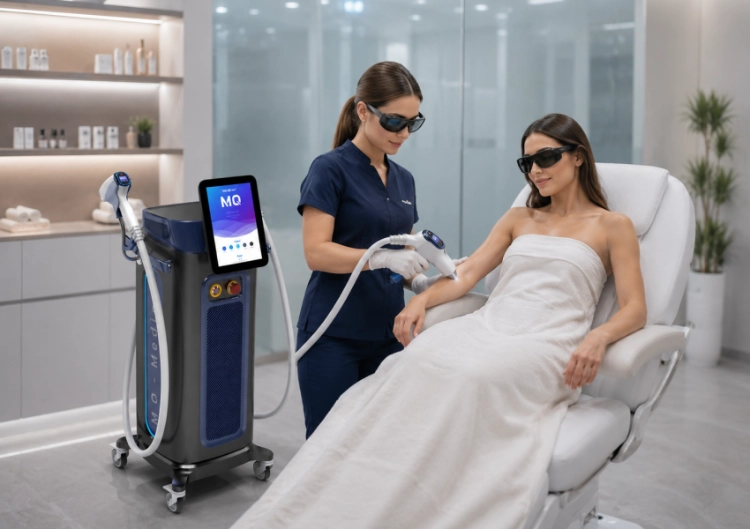
The hairy body is different from the fine facial hair in that it creates a special laser hair-removal problem. Less will be present in the follicle, less potential energy when shot along thinner strands of hair, and facial areas have curved surfaces that make contact consistent as well as overlap difficult to maintain. Well, a clinic that takes fine facial hair as just another big body zone will likely experience slower response times, increased need for touch-ups, or unhappy patients.
SPLASER provides a clinic with a nearly silicon-free multi-wavelength diode route, but the platform also cannot replace cautious scrutiny. BEFORE—Identify hair color and thickness, evaluate skin type and tanning history, select the appropriate wavelength (and handpiece), and explain what laser hair removal addresses (or does not).
Why the Face Is a More Demanding Treatment Area
Coarse body hair in general is a more resistant target and tends to cover larger surface areas. Fine facial hair, on the other hand, can be finer (lighter), shorter, and more irregular. There are contours and fine lines in all places, such as the upper lip, associated with the chin and sideburn area. The operator has more leeway for missed contact and overlapping passes. This means that facial hair may need a more precise mapping as well as an alternative appointment schedule than legs, back, or underarms.
Key points in the consultation should include inquiring into hair color and density, any recent shaving or waxing performed by the patient, hormonal changes during life events, and if done previously, how she got along with the treatment system as well as actively used skincare needle products and regularity photosensitivity. Additively, history of sun tanning should be within 5, but moreover, seven days later, pick an assessment. Light, white, grey, and certain red hairs contain very little or no melanin at all, meaning they may respond poorly. When follicles cycle through growth phases at different visits, it requires that a course be explained.
Wavelength and Spot Selection
An operator may have greater than one path to target varying skin and hair profiles as multi-wavelength platforms. Your blanket rule should be dictated from the device protocol, certainly not that one wavelength is appropriate for every face. Targeted channel or spot (if tip, then also record the pulse duration and fluence), area, and cooling temperature immediately after treatment response. The size of the spot can play a role, with wider spots helping coverage on the cheek while narrower tips may be easier to navigate around areas such as the lip or jawline.
The clinic has to consider the facial region as a mapped territory. Add boundaries by hand if needed, maintain contact as evenly consistent throughout the image, and do not execute casual additional passes over areas that already have a definitive endpoint. Abstract cooling has implications for comfort and epidermal protection, but it does not counteract poor contact or help an inappropriate setting. If the pain or skin response is out of proportion, proceed to review the pathway at the clinic.
Build a Facial Hair Consultation That Sets Expectations
The client thinks every visible hair will or should be gone after one treatment. This consultation will clarify the limitations of melanin-targeting laser hair removal, that it may take multiple sessions, and that thin or light hairs might be less responsive. The same lighting and angle should be used in any progress photography, as well as the length of time between when your hair grows. This makes such a review more useful than an exercise that compares all the treatments directly after they have been given.
Leaving aside biology, skincare habits, and temporary grooming—so much facial hair could also change with time. The clinic must not guarantee a set number of sessions or offer for permanent removal for every client. Instruct the client to report irritation that seems abnormal, lasting redness, or pigment. Alteration or blistering and an improved hair pattern. A clear reviews policy protects the client but also keeps the service’s reputation.
Facial Versus Body Workflow
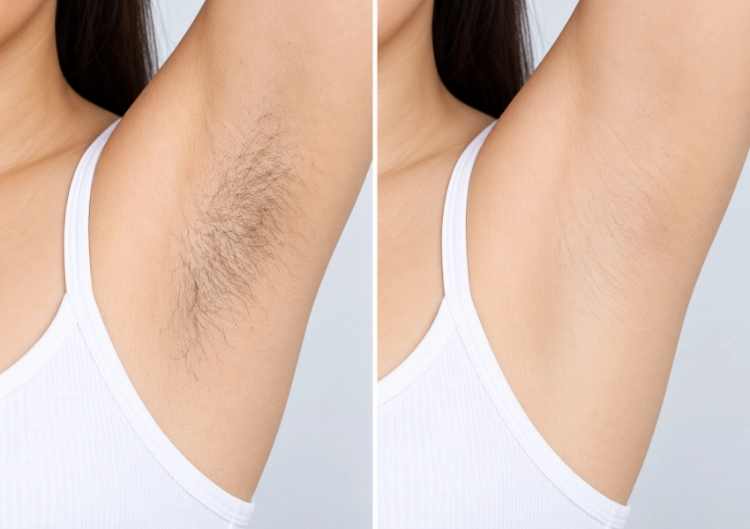
For instance, a body appointment generally prioritizes coverage and consistent movement patterns. Carbon-free punching is a facial appointment that emphasizes visibility, border control, cooling, and clear overlap. Compare the entire process of appointment: cleansing + consultation + photography + treatment + cooling pauses for 20 minutes classifies as one complete therapy, cleaning, aftercare, etc. Your number of pulses by itself cannot determine if the service was efficient or thorough.
When a clinic treats both skin and hair types, something like SPLASER may fit into an overall device plan; however, it is reasonable for the buyer to specify wavelength configuration, tip sizes, fluence range/repeating pulse behavior/cooling method. The category of a four-wavelength diode category can also be used for comparison in the context of format, while lastly, the quote should indicate what configuration and training we have supplied.
Clinical Records Improve the Service
Specifically, we recorded phototype and tanning status pre-treatment; hair color (black/brown/blonde/red/gray) and caliber (terminal/vellus); and body site (women: upper lip/both axillae/chin/grucotali/hairline/sides of face+) for each facial hair removal session along with wavelength, spot, pulse, fluence, cooling passes, and follow-up date. Make a note that grooming is being addressed between sessions so the clinic can disentangle treatment response from changes in shaving or waxing. When a client comes back responding inappropriately low, rather than increasing the energy straightaway, look at what target hair and setting were assigned.
Frequent usage also establishes an apparatus inspection. At a busy block, record handpiece temperature, cable status (full tip contact must be maintained), cleanliness of the disposable tips, cooling efficiency, and fault messages. The finer the hair, the more it tends to lead towards more physically conscious placement of that follicle, as such, how ergonomically sound or fatiguing it can operate a handpiece. Do not think of a short facial service as an easy skill.
The follow-up record would need to separate hair lost from regrowing hair and whether the client adhered to the requested time between shavings. In a regular distance and light, compare photographs, then check the original shade as well. Another pass with the same visible target may add little value if now it is mostly fine, lightly pigmented hair. Review the service objective, and outline this limitation—should the client pause? Continue under a revised plan? Or seek another option available in the clinic.
How to Market a Fine Facial Hair Service Locally
Make your local content about the questions clients are asking: Why does facial hair take longer to respond? What about Very Light Hair? How many visits might you want to come up with? If the skin is new and tanned, what do you want? For example, the potential to generate better inquiries from short educational videos for prospective clients and more effective facial-versus-body comparisons as opposed to present common-sense claims like laser hair removal. Only use progress photos used with consent and never showcase a fresh post-treatment photo as proof of permanent reduction.
They can place a bundled package for upper-lip or chin, jawline & sideburn services (thus upholding the metric) to respective reviews but keep an open consult towards mixed hair colors and patterns in change. A description of comfort measures, aftercare, and postponable treatment should be on-site in the service page. MQLASER‘s R&D, OEM/ODM & product development close to Certification information relate now directly to a post-later section relating to the buyer, but as you will see, the local client message should remain practical and clinically responsive. Buyers can review the MQLASER and reach out to the team with configuration & training inquiries. Continue reading our other guide.
FAQ
Q1: Can fine facial hair be treated with a diode laser?
A1: Some fine pigmented hair may respond, but hair color, caliber, skin tone, settings, and the treatment area affect the result.
Q2: Why does facial hair need more careful mapping?
A2: The face has smaller, curved areas and finer hair, so contact, overlap, cooling, and edge control are harder to keep consistent.
Q3: Does more energy guarantee better facial results?
A3: No. A suitable wavelength, pulse, cooling, technique, and staged follow-up matter more than a headline energy figure.