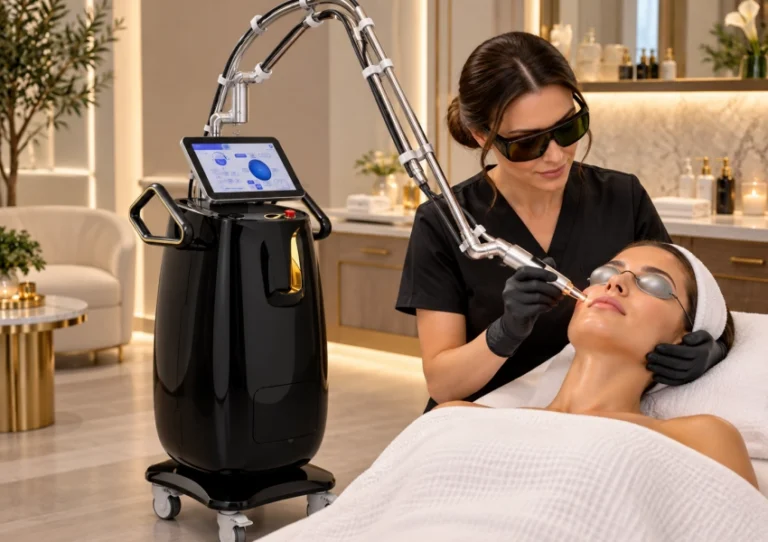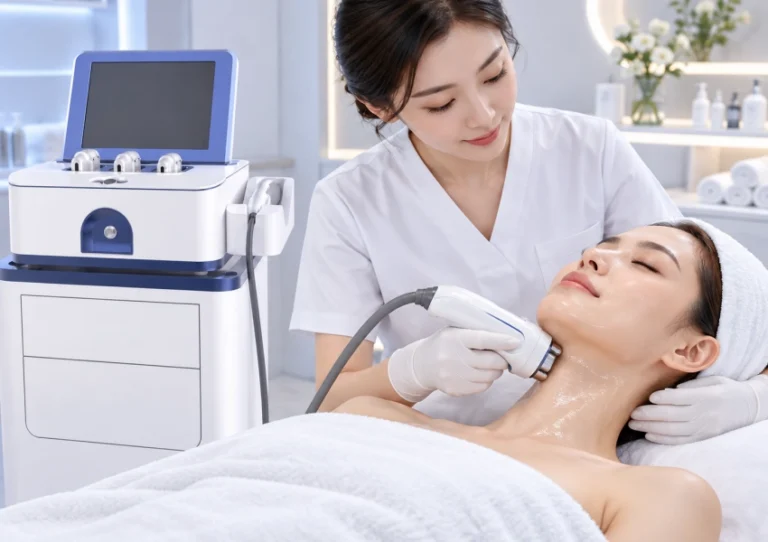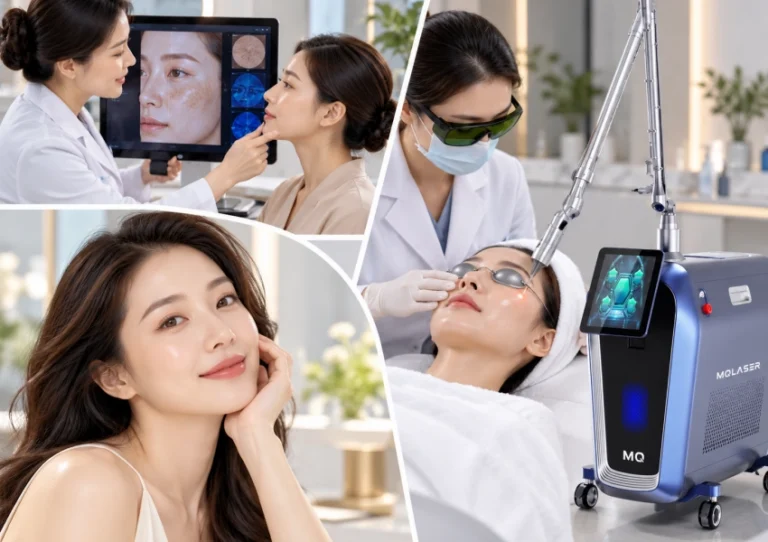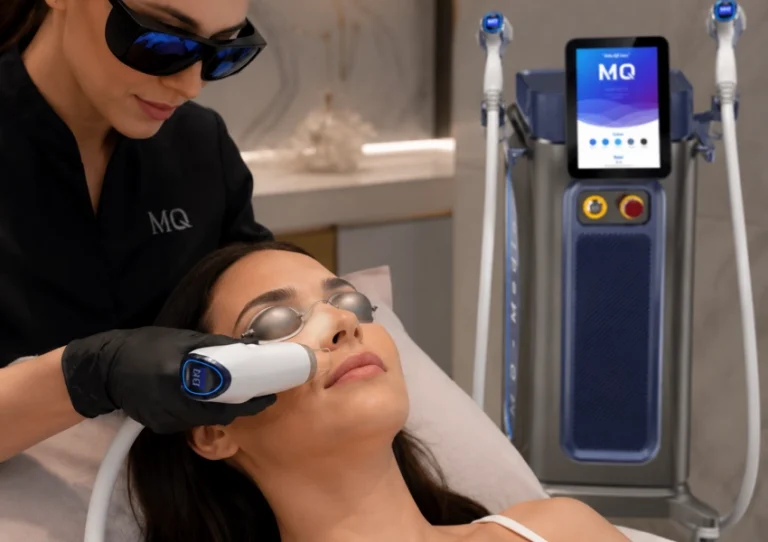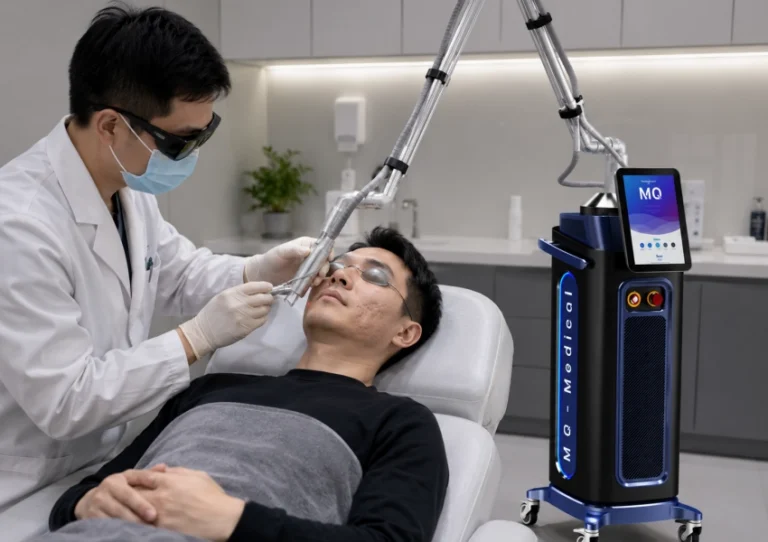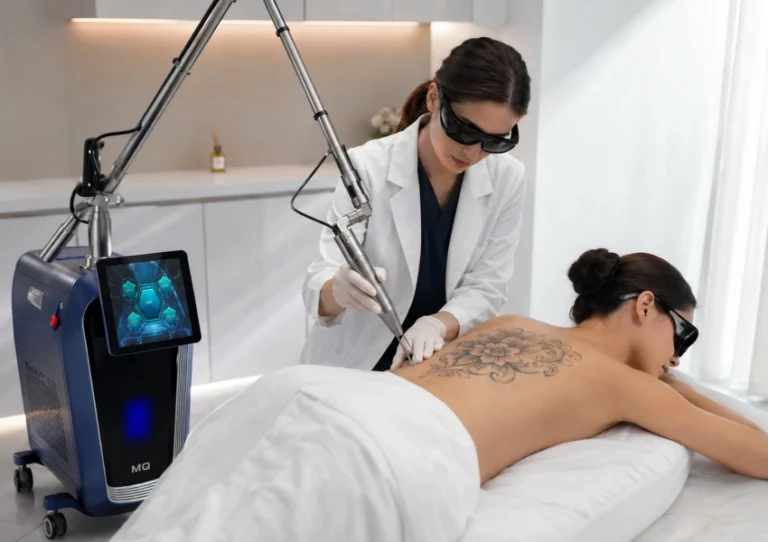
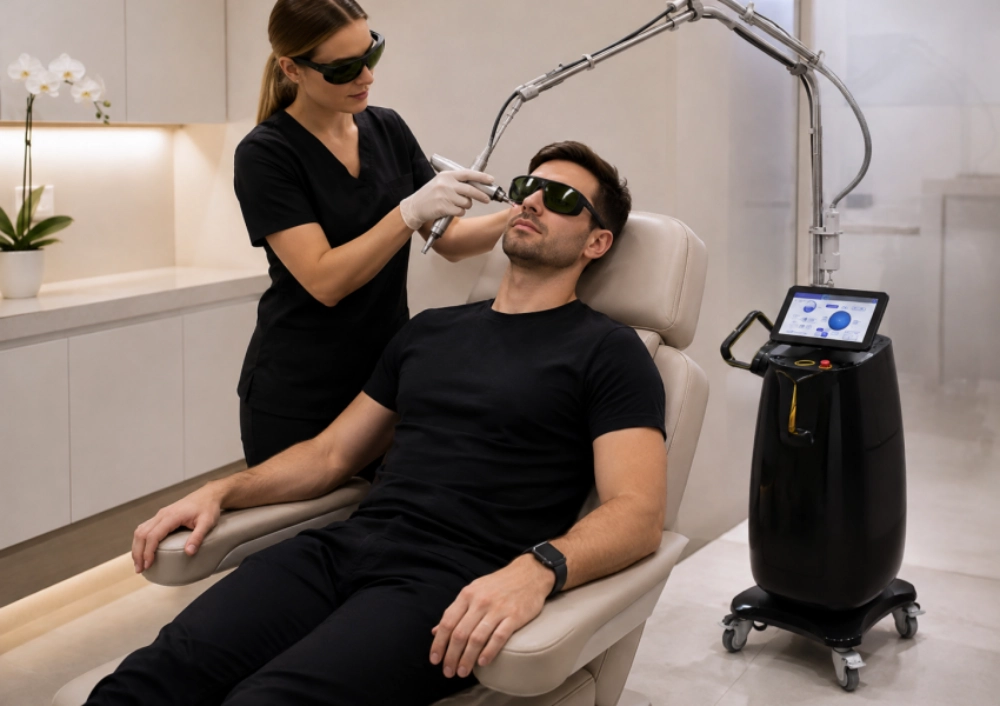
A 1927nm thulium laser can sit in a useful middle ground for a skin-quality service menu. It is often considered when a business wants a fractional laser route that is less intensive than ablative resurfacing while still giving operators enough parameter control to build different program levels. LaseMD Ultra and MQLASER ThuliWave are both relevant in that conversation. The more useful comparison is not a claim that one brand works for every clinic. It is whether the delivered device, tips, training, consumable plan, and business model fit the work you actually intend to run.
Begin With The Service Model, Not The Product Name
Skin-quality services can be delivered as a single premium appointment, a repeated seasonal program, or an add-on within a wider laser menu. Each model creates different demands. A high-touch clinic may value an established branded pathway and protocol ecosystem. A distributor-led business may need configurable software language, branding options, and an equipment cost that leaves room for local training and marketing.
Where A 1927nm Platform Sits
1927nm energy around the lower epidermis and upper dermis, with water as the primary target. It distinguishes this wavelength from 1550nm Er: Glass and 10600nm fractional CO2 by describing a lower-downtime, fractional route. Service claims must still stay within local rules and the supplied operating guidance. A buyer should not market a wavelength as a guarantee of a particular outcome.
Match Downtime Expectations To The Actual Program
Non-ablative and sub-ablative fractional settings are not interchangeable labels. Pulse duration, power, tip selection, density, pass count, and client condition can change the experience and recovery plan. A clinic should build its booking interval and aftercare communication around the exact program used, not a broad promise attached to the machine category.
Compare The Technical And Workflow Variables
Public descriptions of LaseMD Ultra vary by country, distributor, and release. Buyers should request a current authorized specification before relying on exact power, tip, or protocol figures. MQLASER is more explicit about ThuliWave’s 20 W maximum power, 200 μm beam diameter, and available 10 mm, 15 mm, 20 mm, and 30 mm tips. The matrix keeps the distinction visible rather than filling gaps with assumptions.
| Buying Point | LaseMD Ultra | MQLASER ThuliWave | What To Verify |
| Wavelength platform | 1927nm thulium platform. | 1927nm thulium fractional platform. | Match the exact model to the intended service scope. |
| Power and beam data | Request current local specification from authorized channel. | Maximum power of 20 W and a 200 um beam diameter. | Review source documents with the quoted model. |
| Handpiece and tips | Confirm handpiece types, tip availability, and replacement policy locally. | Ergonomic handpiece, replaceable 10, 15, 20, and 30 mm tips plus roller-tip option. | Test access, cleaning, and hand changeover in the demo. |
| Parameter control | Confirm the current interface, protocol library, and user permissions. | Separate pulse-duration and power setting. | Ask how settings are recorded and repeated across staff. |
| Appointment pace | Confirm actual workflow with the local configuration. | Full-face work in about 6-8 minutes; this excludes consultation and room reset. | Time the complete client journey, not laser-on time alone. |
ThuliWave’s Configured Advantages
The ThuliWave 1927nm thulium laser combines a stated 20 W maximum with a top-hat beam profile, replaceable tip sizes, and an active emergency system. The materials also describe a non-consumable, long-life thulium fiber and no shot limit per procedure. These points make the ownership discussion more specific, yet each must be confirmed in the final quotation, manual, and applicable market documentation.
Do Not Reduce The Choice To A Single Power Number
Power is not the whole operating picture. A buyer should compare beam consistency, adjustable pulse duration, tip contact, software prompts, calibration or service procedure, and the staff’s ability to repeat a chosen setting. The 200 μm beam and stated top-hat profile are useful ThuliWave discussion points because they concern treatment uniformity and appointment rhythm, not simply headline output.
Full-Face Skin Quality Treatment
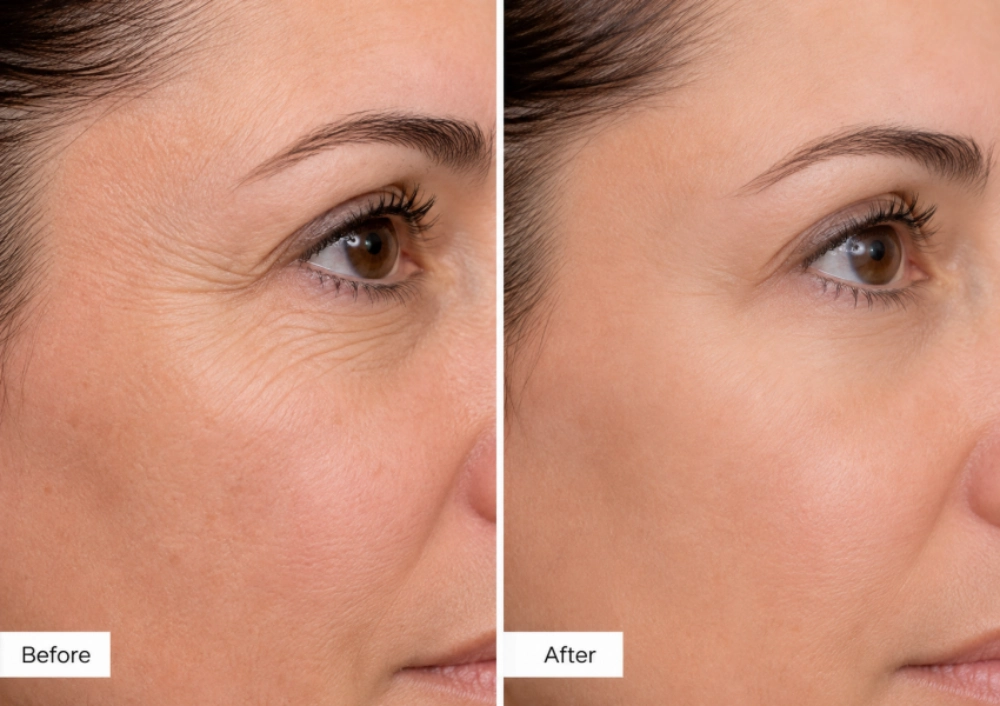
A 41-year-old female client visited the clinic with concerns about uneven skin tone, visible sun-related pigmentation, and a generally dull skin texture. She wanted a treatment that could fit into her normal work schedule without the recovery associated with more aggressive resurfacing. After consultation and skin assessment, the operator selected a 1927nm thulium fractional program and adjusted the pulse duration and power according to the treatment area and the client’s tolerance.
The laser portion of the full-face appointment was completed within several minutes, while additional time was reserved for consultation, skin preparation, post-treatment care, and room turnover. The client experienced temporary warmth and mild redness after the session and returned to normal daily activities according to the clinic’s aftercare guidance. Over the following weeks, she reported that the skin appeared brighter and more even in tone, with an overall improvement in surface texture.
For the clinic, the case was also a useful example of why workflow matters as much as laser-on time. A relatively short treatment phase can support efficient scheduling, but consultation, preparation, aftercare, and staff consistency still determine the real appointment capacity and profitability of a 1927nm skin-quality service.
Compare The Commercial Route, Not Only The Handpiece
The technical platform is only one part of a purchasing decision. A clinic has to manage training, local service, replacement tips, marketing claims, and future menu changes. A distributor has another layer: product appearance, language, packaging, and the freedom to position an offer in more than one market segment. These commercial differences can matter more than a modest equipment specification gap.
| Commercial Dimension | LaseMD Ultra Route | MQLASER ThuliWave Route | Buyer Decision |
| Brand pathway | Established brand route; confirm local distributor program and support scope. | Equipment-focused route with scope for market-specific project discussion. | Decide whether a fixed brand system or a tailored local offer fits your business. |
| Customization | Confirm what the authorized local channel permits. | OEM/ODM discussion can include machine appearance, software language, and package needs, subject to project terms. | Useful for distributors developing their own service package. |
| Cost and consumables | Request current local equipment, accessory, and service prices. | Thulium fiber is described as non-consumable; confirm tip, service, and shipping costs in writing. | Calculate a five-year ownership range rather than a one-time price. |
| New-product cooperation | Product changes follow the brand’s release and channel process. | MQLASER can discuss eligible development work with its R&D team. | Relevant where market feedback needs to shape a later configuration. |
| Training and service | Confirm trainer availability, warranty, and technician coverage locally. | Confirm installation, operator training, remote support, warranty, and spare parts in the contract. | Support clarity protects a scheduled service program. |
Price The Whole Client Journey
A skin resurfacing laser business case should include consultation time, operator time, room turnover, disposables, product use where permitted, marketing, finance, maintenance, and a conservative number of completed appointments. Separate a full-face booking from a focused-area booking. This prevents a high headline service price from hiding a slow room cycle or a high accessory cost.
Use A Structured Demonstration
Ask each supplier to show the supplied handpiece, every proposed tip, program selection, parameter adjustment, emergency stop, cleaning sequence, and service request route. Confirm who can train new staff and how updates are communicated. A good demonstration is not a short output test. It shows whether the platform can be operated reliably after the sales engineer leaves.
Where MQLASER Fits
ThuliWave can be a strong consideration when your business wants 1927nm capability, variable treatment program planning, replaceable tip options, and a lower-cost ownership discussion without a stated shot limit. MQLASER supports OEM/ODM projects through an experienced R&D team and invests 15% of annual revenue in new product development. Relevant CE, ISO, and RoHS materials should be checked against the final model, order configuration, and local market requirements.
Explore 1927nm thulium laser options alongside the MQLASER product when you are planning a broader energy-device package. For company-level support context, MQLASER remains a useful starting point before a detailed quotation review.
Conclusion
LaseMD Ultra may suit clinics that want a defined branded 1927nm pathway and local authorized support. ThuliWave may fit buyers seeking a 20 W 1927nm platform, a replaceable tip selection, parameter flexibility, and OEM/ODM discussion. The right choice comes from a side-by-side review of the quoted model, operator workflow, commercial terms, and five-year service cost, not from a broad claim about one laser category. If you would like to learn more, please read this article.
FAQ
Q1: Is a 1927nm thulium laser the same as a fractional CO₂ laser?
A1: No. They use different wavelengths and have different water absorption and operating profiles. Buyers should plan downtime communication, service scope, and training around the exact platform and selected settings.
Q2: What ThuliWave details should be checked in a quotation?
A2: Confirm the 20 W configuration, supplied tips, roller-tip option, software language, warranty, fiber and tip terms, training, service process, and applicable certification documents.
Q3: How should a clinic compare laser ROI?
A3: Use completed appointment volume, room time, staff time, accessories, maintenance, finance, marketing, and local pricing. Run both conservative and high-utilization scenarios before committing.