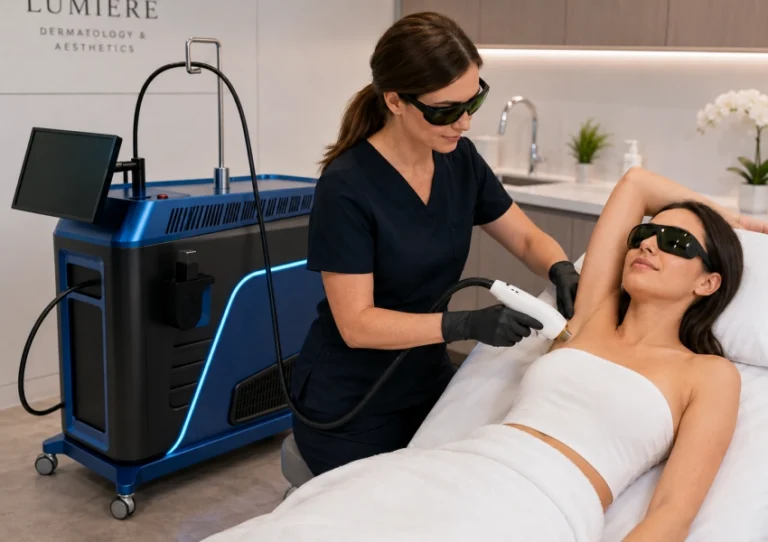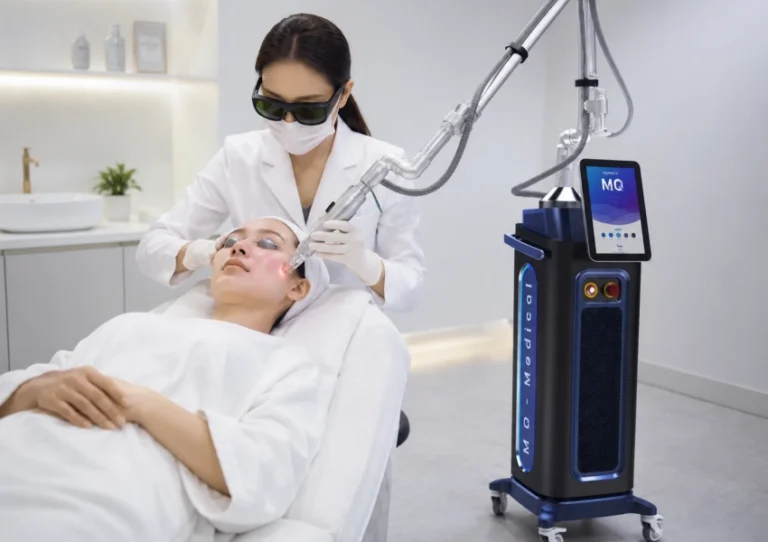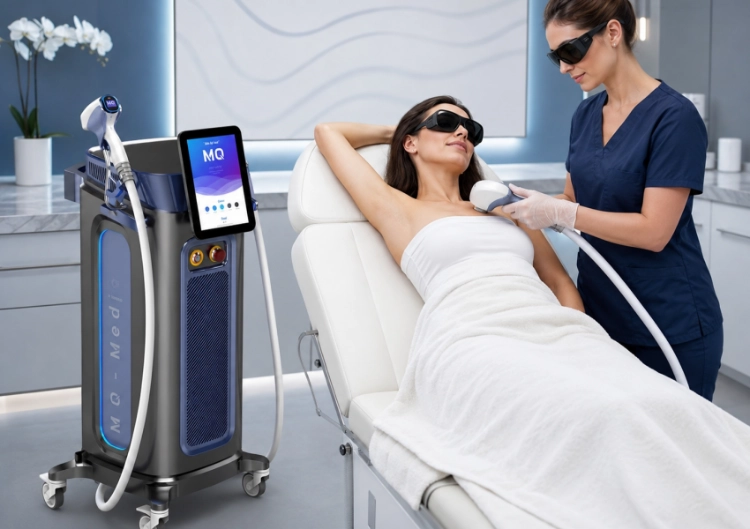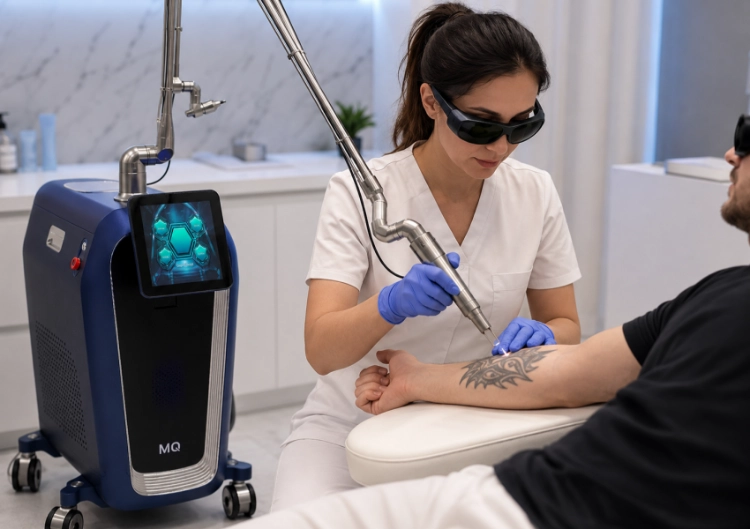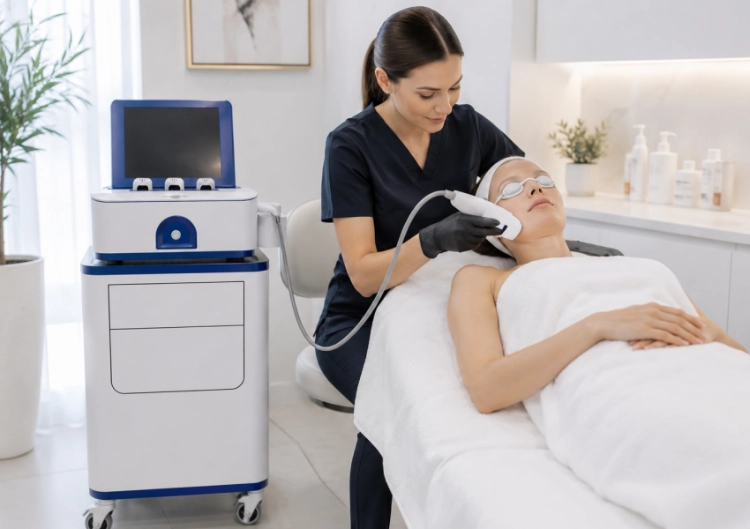
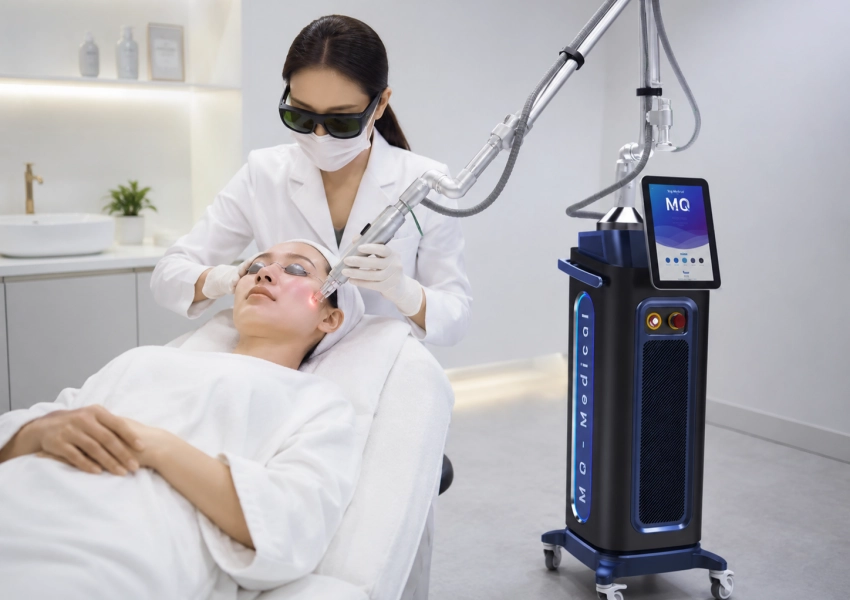
A CO₂ platform is rarely judged by wattage alone. A skin resurfacing business has to balance pulse behavior, scan control, recovery expectations, operator training, and the number of services one console can support. That is why a comparison between Lumenis and DEPPLUS is more useful when it looks at the working route behind each platform. SuperPulse CO₂ laser technology can be valuable for controlled ablation, while a multi-mode system can make the same room more adaptable across resurfacing, scar work, and other beauty services.
SuperPulse Is a Pulse Strategy, Not a Complete Buying Decision
Short, high-power pulses change how energy is delivered to the surface. In a CO₂ system, the aim is to create a defined effect with less unnecessary heat around each point. SuperPulse is a high-power, short-pulse mode for deep ablation with nominal thermal damage. UltraPulse is described as a higher-peak route, while continuous wave uses lower power and a longer pulse. Those distinctions matter when a business sells different resurfacing intensities rather than one fixed package.
What SuperPulse Changes in Daily Work
SuperPulse is most relevant when the operator needs a repeatable pulse profile and a clear separation between fast ablation and more conservative passes. It can support a premium resurfacing menu, but it does not remove the need to control scan pattern, coverage, spacing, and the number of passes. A strong pulse mode can still produce an uneven service if the operator moves too slowly, overlaps zones, or uses a depth setting that does not match the client schedule.
Where Multi-Mode Control Has More Value
DEPPLUS takes a broader platform route. Its published system includes fractional, cutting, and optional vaginal working modes, with sequence, random, continuous, and UltraPulse scan choices. The machine also lists adjustable duration from 0.1 to 9.9 ms, point distance from 0.1 to 2.0 mm, interval from 0.1 to 2 s, and repeats from 1 to 10. For a beauty business, that range can be more important than a single headline mode because it supports several service designs from one console.
DEPPLUS Gives Buyers More Variables to Match the Service Menu
The practical question is not whether a platform has more controls. It is whether those controls map to the services, staff, and room schedule already in place. DEPPLUS is built around that operating question: the system combines a 10,600 nm CO₂ source with adjustable scan geometry, an articulated arm, and multiple working modes. The fractional CO₂ also shows why package details matter across models. More choice creates a training obligation, so the quotation should include parameter guidance and a clear handover process.
Lumenis vs DEPPLUS
Clinical Service Planning Before the First Pulse
Fractional CO₂ resurfacing should begin with a service plan, not with a preset selected from the screen. The operator needs to define the main service goal, treatment area, acceptable recovery window, scan pattern, coverage level, and number of passes before the client enters the room. A program for overall skin texture should not automatically use the same density or pass strategy as a localized acne-scar service.
DEPPLUS provides several variables that can be matched to the planned service. The listed duration range is 0.1 to 9.9 ms, point distance is 0.1 to 2.0 mm, interval is 0.1 to 2 s, and repeat count is 1 to 10. These controls affect how closely energy points are placed, how quickly the operator moves across the area, and how much cumulative heat may build during repeated passes.
A practical workflow is to divide the service area into zones, confirm the selected scan mode, and keep the handpiece movement consistent within each zone. The operator should avoid changing several variables at once because the team then loses a clear reference for later appointments. If a higher-density plan is selected, the service schedule should allow enough time for cooling, cleaning, documentation, and client aftercare instructions.
Three Resurfacing Scenarios for a Beauty Business
For a lower-intensity skin-quality service, fractional mode with wider point spacing and fewer repeats may fit a client who has limited recovery time. The operator still needs to confirm the selected duration, point distance, interval, and coverage before starting. A shorter appointment does not automatically mean a suitable setting if the scan pattern is uneven or the operator moves too quickly.
A localized texture or acne-scar service may require a more concentrated treatment map. The operator should mark the target zone, keep the surrounding skin under observation, and avoid extending the higher-density pattern into areas that were not included in the consultation. The purpose is to keep the service reproducible, not to chase a stronger visible response with repeated passes.
A cutting mode belongs to a different workflow from routine fractional resurfacing. It may require different handpiece handling, smoke evacuation, cleaning, and staff training. It should not be added to a quotation as a simple checkbox without confirming the exact configuration and operating rules. The same applies to optional working modes.
Recovery Communication and Room Scheduling
Recovery expectations should be linked to the actual service plan. Pulse duration, point distance, scan pattern, repeats, treatment area, and the number of passes all influence the client’s immediate experience and the time needed before the next scheduled activity. A clinic should avoid promising one fixed recovery period for every fractional CO₂ service.
Before the client leaves, the team should record the program used, treatment zones, number of passes, and the aftercare instructions provided. The next appointment should be scheduled according to the selected service intensity and the client’s response, rather than according to a generic calendar interval. This makes the equipment easier to operate as a real service platform and gives the owner clearer information about room capacity.
Performance Comparison
| Buying point | Lumenis UltraPulse | DEPPLUS |
| Core pulse concept | SuperPulse and UltraPulse are positioned as high-power, short-pulse modes; exact configuration varies by model and handpiece. | UltraPulse, fractional, cutting, and vaginal working routes with several scan patterns. |
| Wavelength | CO₂ platform at 10,600 nm. | 10,600 nm. |
| Pulse and scan adjustment | Pulse-family selection is the central control decision. | Duration 0.1-9.9 ms, distance 0.1-2.0 mm, interval 0.1-2 s, repeat 1-10. |
| Working modes | Focused on the UltraPulse platform family and its procedure-specific options. | Fractional, cutting, and vaginal modes are listed; sequence, random, continuous, and UltraPulse scan modes are also listed. |
| Optical delivery | Model-specific handpiece and delivery configuration; confirm arm and scanner package before ordering. | 360-degree articulated arm with aiming-beam adjustment is listed. |
| Cooling and smoke control | Confirm the selected model’s cooling, plume, and consumable requirements. | Air or water cooling and a purge-air system for smoke removal and lens cleanliness. |
| Power configuration | Exact output range depends on model and package. | 15-70 W. |
This table shows why two machines can both be called fractional CO₂ systems yet create different purchasing work. The Lumenis route may suit a business that already has a trained team and wants a familiar high-power pulse family. DEPPLUS may suit a distributor or clinic that needs a wider service menu and wants the product specification written as a configurable package rather than a single mode.
Compare Workflow, Maintenance, and Commercial Flexibility
A busy room feels the difference between platforms in the minutes around a service. Setup, smoke evacuation, scanner cleaning, handpiece handling, and the next-client changeover all affect capacity. A technically strong system can still produce poor ROI when training is thin or a replacement part has a long supply path. These are commercial performance issues, not side notes.
Business and Partnership Comparison
| Business factor | Lumenis | DEPPLUS with MQLASER |
| Menu flexibility | Strong when the selected UltraPulse configuration matches an established premium resurfacing menu. | One console can cover fractional, cutting, and optional vaginal modes, subject to the ordered configuration and local rules. |
| Operator training | Training should cover the chosen pulse family, scan settings, plume control, and model-specific accessories. | Training should cover the broader parameter set, including coverage, spacing, interval, repeat, and the selected working modes. |
| Cost of ownership | Premium platform pricing, service contracts, and proprietary accessories must be confirmed locally. | Quotation-based pricing; air or water cooling, purge-air parts, arm maintenance, and tube selection should be costed before order. |
| R&D and customization | Customization is normally tied to the manufacturer’s established platform and regional package. | MQLASER supports OEM/ODM projects and reports an experienced R&D team with annual R&D investment of 15% of turnover. |
| Market flexibility | A strong fit for buyers selling a recognized premium platform and standard service protocols. | Useful for distributors that need branding, package selection, accessory options, and a broader machine story. |
| Compliance and support | Local regulatory, service, and warranty terms vary by market and contract. | MQLASER products are presented with CE, ISO, and RoHS certifications; confirm certificates, warranty scope, spare parts, and response time for the target market. |
How to Read ROI Without Inventing a Payback Period
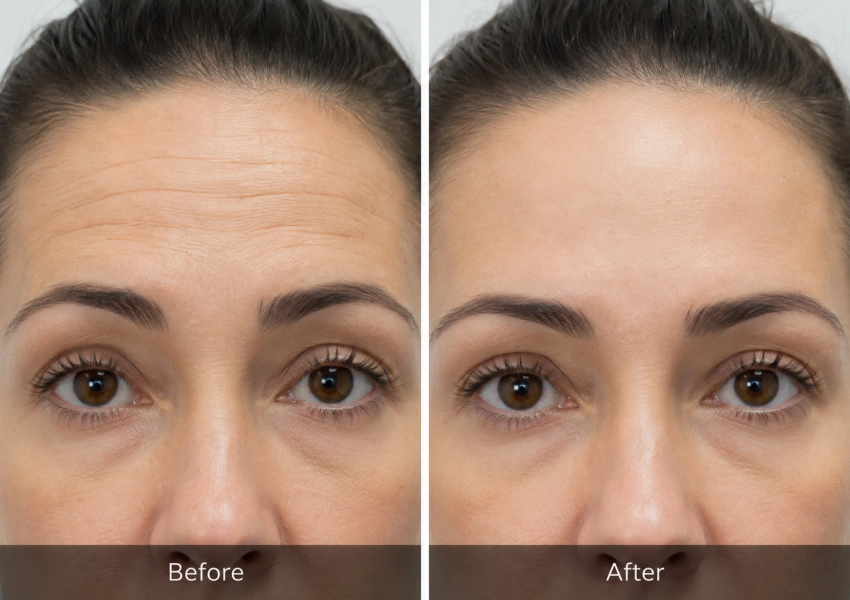
Start with capacity, not a promised number of months. Estimate paid sessions per week, average selling price, consumables, room labor, maintenance, and the share of appointments that require downtime. Then compare the result with the delivered equipment cost, installation, training, and local service coverage. A system with more modes may create additional revenue only when the team can sell and deliver those modes consistently. For a multi-market project, MQLASER and project support can be discussed alongside the machine configuration, certificates, spare parts, and training scope.
Which Platform Fits the Resurfacing Business?
Choose the Lumenis route when the business has a trained operator base, a premium positioning strategy, and a clear need for the selected SuperPulse or UltraPulse configuration. Choose DEPPLUS when flexibility matters more: different scan patterns, fractional and cutting work, a broader package, or distributor customization. The final decision should be made from a written configuration sheet, a training plan, and a spare-parts response commitment, not from the word “SuperPulse” alone. That discipline also keeps a buyer from paying for an optional mode that the local team will never put into its service menu.
A Better Procurement Check
Ask for a live demonstration using the same scan area and working mode the business plans to sell. Record setup time, handpiece balance, smoke extraction, parameter saving, and cleaning steps. For DEPPLUS, confirm whether the selected tube, power level, cooling method, and optional systems are included. For the competing platform, confirm model number, accessories, software, service contract, and regional availability. This turns a technology comparison into a usable operating decision.
Conclusion
SuperPulse is a meaningful CO₂ control route, but it is only one part of platform value. DEPPLUS brings 10,600 nm output, adjustable scan variables, multiple working modes, and a broader OEM/ODM conversation. For a business that needs room utilization and service-menu flexibility, those details can carry more weight than a single pulse label. The right order includes the exact configuration, training, warranty, and support response in writing. Should you have any questions, please contact us. For more detail, see our guide on this article.
FAQ
Q1: Is DEPPLUS a fractional CO₂ platform?
A1: Yes. DEPPLUS is a 10,600 nm fractional CO₂ system with fractional, cutting, and optional vaginal modes, subject to the ordered configuration.
Q2: Does SuperPulse automatically mean shorter recovery?
A2: No. Recovery depends on pulse settings, coverage, spacing, passes, client factors, and aftercare. A mode name alone cannot set a recovery promise.
Q3: What should be confirmed before ordering DEPPLUS?
A3: Confirm tube type, power level, cooling method, scan settings, optional modes, training, warranty, spare parts, and local service response.